



In recent years, the term “wabi-sabi” has circulated widely as a trend among younger demographics and designers overseas, particularly on social media platforms like Instagram and TikTok. However, it is often consumed merely as a superficial visual shorthand for things that are “somewhat old and imperfect,” with its core philosophy frequently misunderstood.
Through examples from traditional Japanese crafts and contemporary spatial design, this article clarifies the true understanding of wabi-sabi and how it can be practically applied.
- Wabi-sabi is a traditional Japanese aesthetic that finds beauty in imperfection, simplicity, and the traces of time, rather than seeking perfection or artificial beauty.
- In the world of crafts, practices like kintsugi, repairing broken pottery with gold, and Shigaraki ware, which embraces the unpredictability of clay and fire, offer some of the clearest examples of this concept.
- In contemporary spatial design, it is increasingly referenced not just as minimalism, but as a style that values yohaku (empty space), the natural aging of materials, and the soft interplay of light and shadow.
Table of Contents
What is Wabi-Sabi? The Japanese Aesthetic of Letting Go of Perfection

The concept of wabi-sabi offers a perspective distinct from symmetry and universality, which have long been standards of beauty in the West. To grasp the full picture of this philosophy, it is helpful to look at the origins of the words themselves.
The Origins and Differences Between “Wabi” and “Sabi”
“Wabi” refers to a state of mind that seeks spiritual richness even in materially deficient or austere circumstances.
In contrast, “sabi” is the perspective that finds beauty in the physical aging of objects, such as fading colors or surface changes that occur over time.
The union of these two concepts formed a distinct Japanese aesthetic that embraces the transitions of nature.
Why Explaining It Solely as “Imperfection” is Misleading
On overseas social media, there is a tendency to equate wabi-sabi simply with “imperfection” or a “rough appearance.”
However, it does not merely refer to things that are broken or crude. Japan House London, a cultural hub for Japan in the UK, defines wabi-sabi not simply as a decorative style, but as “an aesthetic sensibility that embraces the natural flow of time.” The attitude of appreciating the passage of time and irregularity is paramount.
Wabi refers to the beauty found in simplicity and imperfection, while sabi conveys the quiet dignity that emerges with the passage of time. Cracks, fading and signs of wear have long been valued in Japan, seen not as flaws but as profound expressions of impermanence. Wabi-sabi is not mere decoration, but an aesthetic sensibility that embraces the natural flow of time.
(Source: Japan House London)
Unraveling the Philosophy of Wabi-Sabi Through Chanoyu

This aesthetic was refined and given cultural form through chanoyu, the Japanese way of tea.
Sen no Rikyu and the Beauty of Irregularity
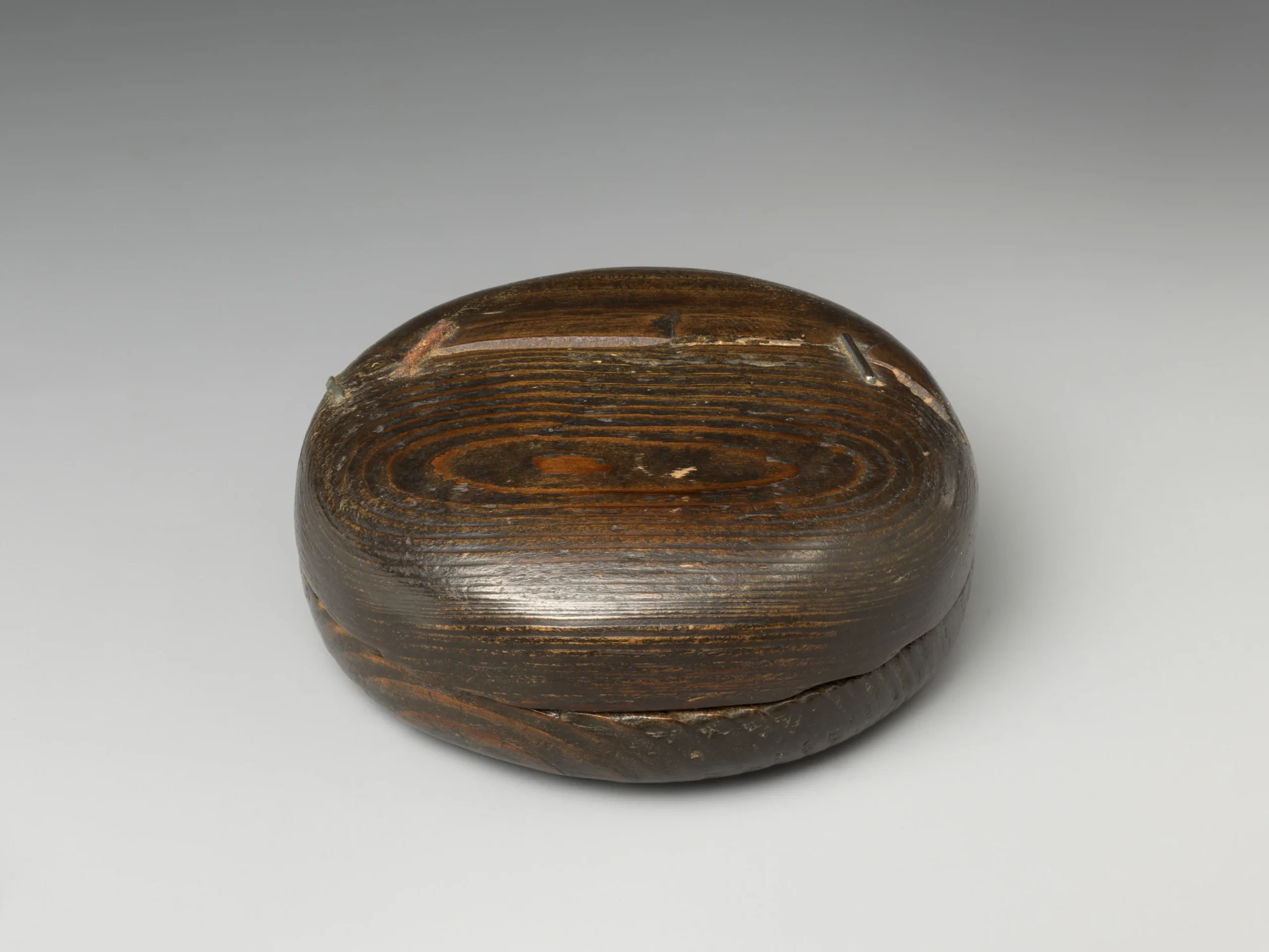
According to the Metropolitan Museum of Art in New York, Rikyu favored utensils that exhibited irregularity and simplicity over overly pristine beauty. This stance strongly reflects the wabi-sabi aesthetics recognized today.

The Ultimate Minimalist Space: The Tearoom and the Teabowl
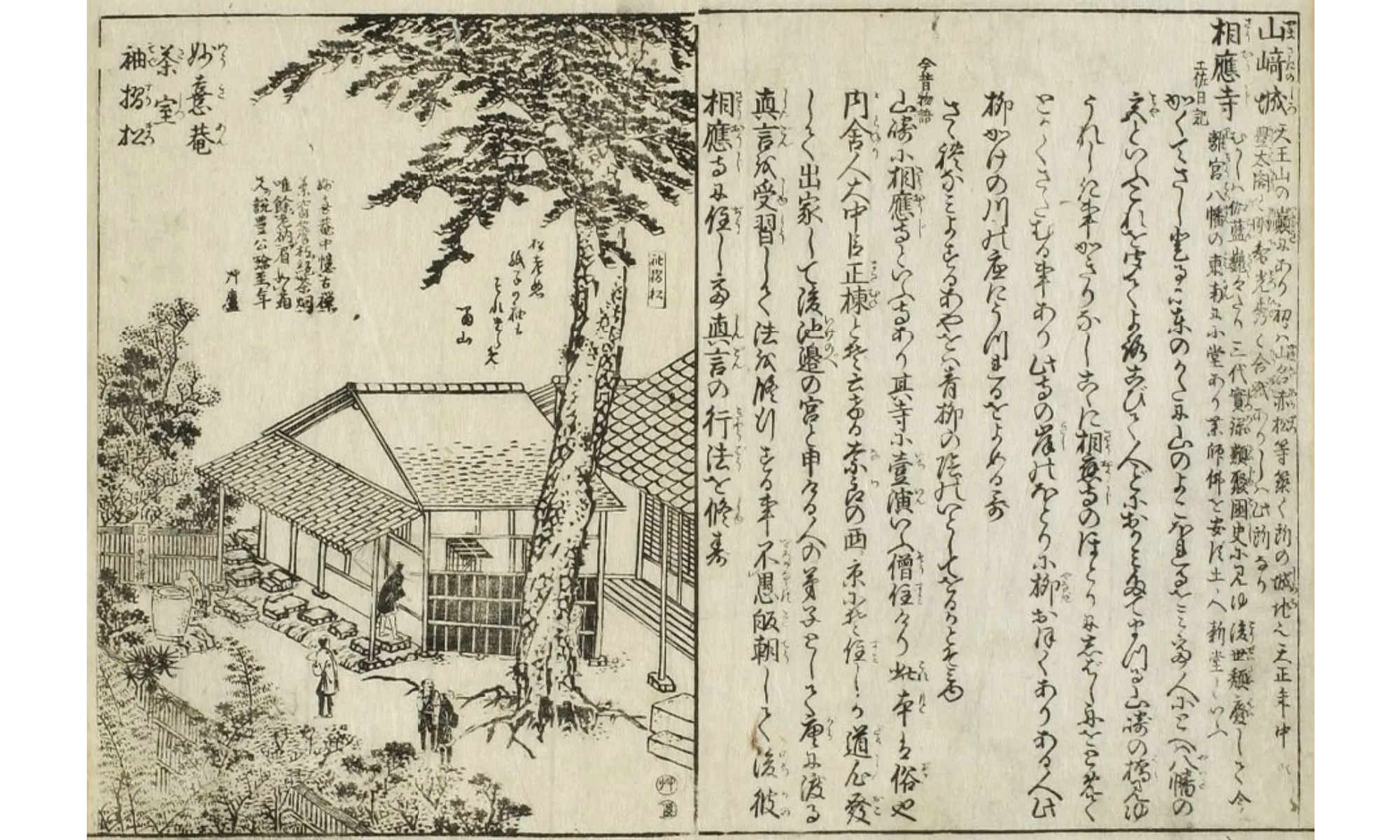
By stripping away excess and embracing a tight, dimly lit space, this approach creates a sense of spiritual intensity that resonates deeply with contemporary spatial design.

Myokian Temple
Taian, one of Japan’s three National Treasure tearooms and the country’s oldest, is the only surviving tearoom designed by Sen no Rikyu.
- Visiting Hours: Viewing available only on Sunday mornings
- Admission: 1,000 yen per person (donation) *Morning viewing only
- Address: 56 Oyamazaki Ryuko, Oyamazaki-cho, Otokuni-gun, Kyoto 618-0071
- Website: https://www.myokian.net/
How Wabi-Sabi Takes Shape in Japanese Crafts
Japanese crafts offer some of the clearest physical expressions of wabi-sabi.
Kintsugi: A Repair Technique That Honors Flaws as History
![[2026 Edition] A Foolproof Introduction to Kintsugi | Choosing Tools for Beginners and Basics of Repairing Pottery with Genuine Urushi](https://kogei-japonica.com/media/wp-content/uploads/2026/02/kintsugi.webp)
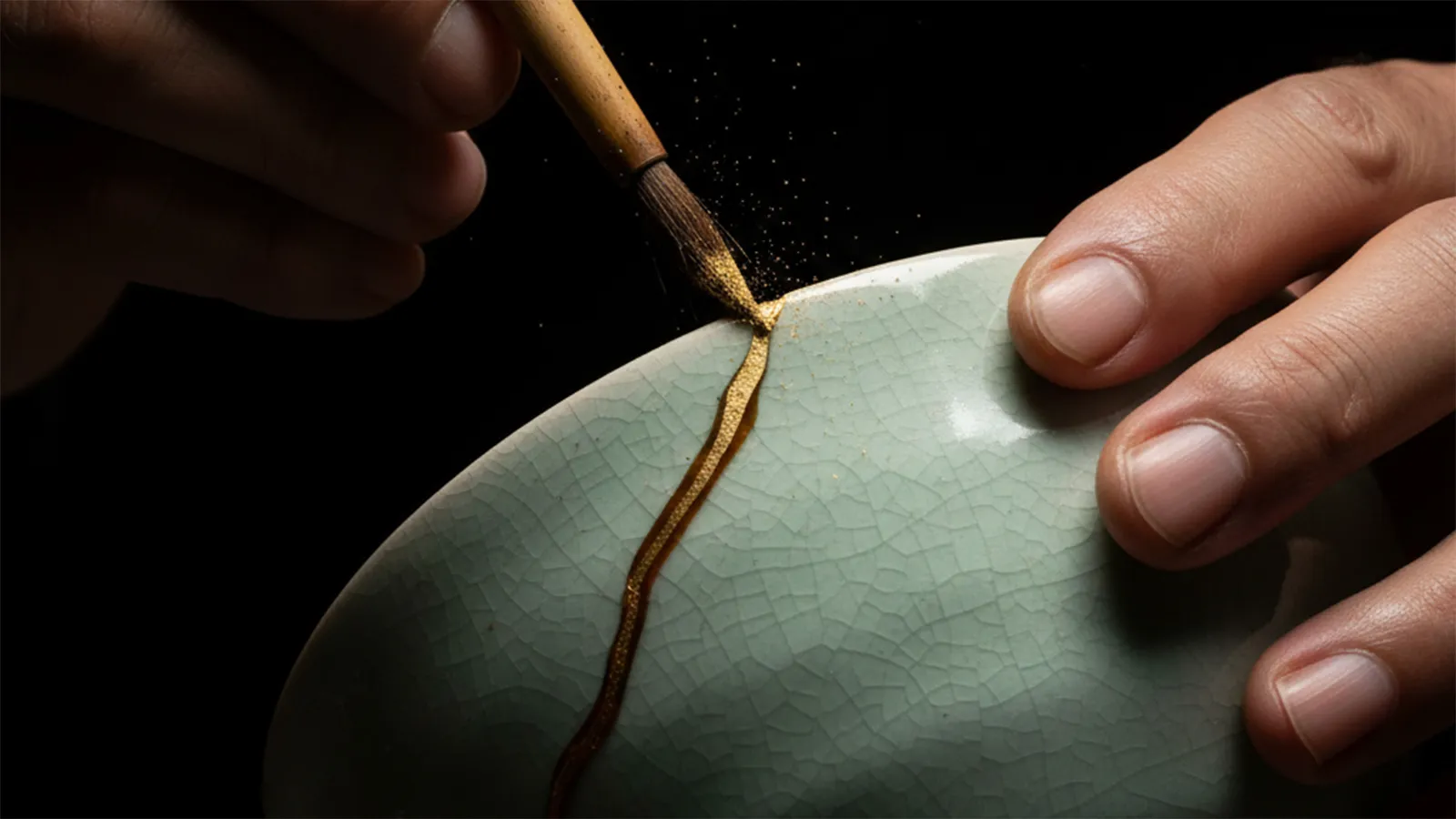
Kintsugi has gained widespread recognition overseas as a technique symbolizing wabi-sabi. This method of repairing cracked or chipped ceramics by bonding them with urushi (lacquer) and decorating the seams with gold or silver powder does not hide the damage as a defect. Instead, it affirms it as part of the object’s history and a new landscape (keshiki). The practice of deliberately highlighting repair marks is a clear example of the aesthetic of embracing imperfection.


Shigaraki Ware: Accidental Landscapes Born from Natural Glaze and Fire
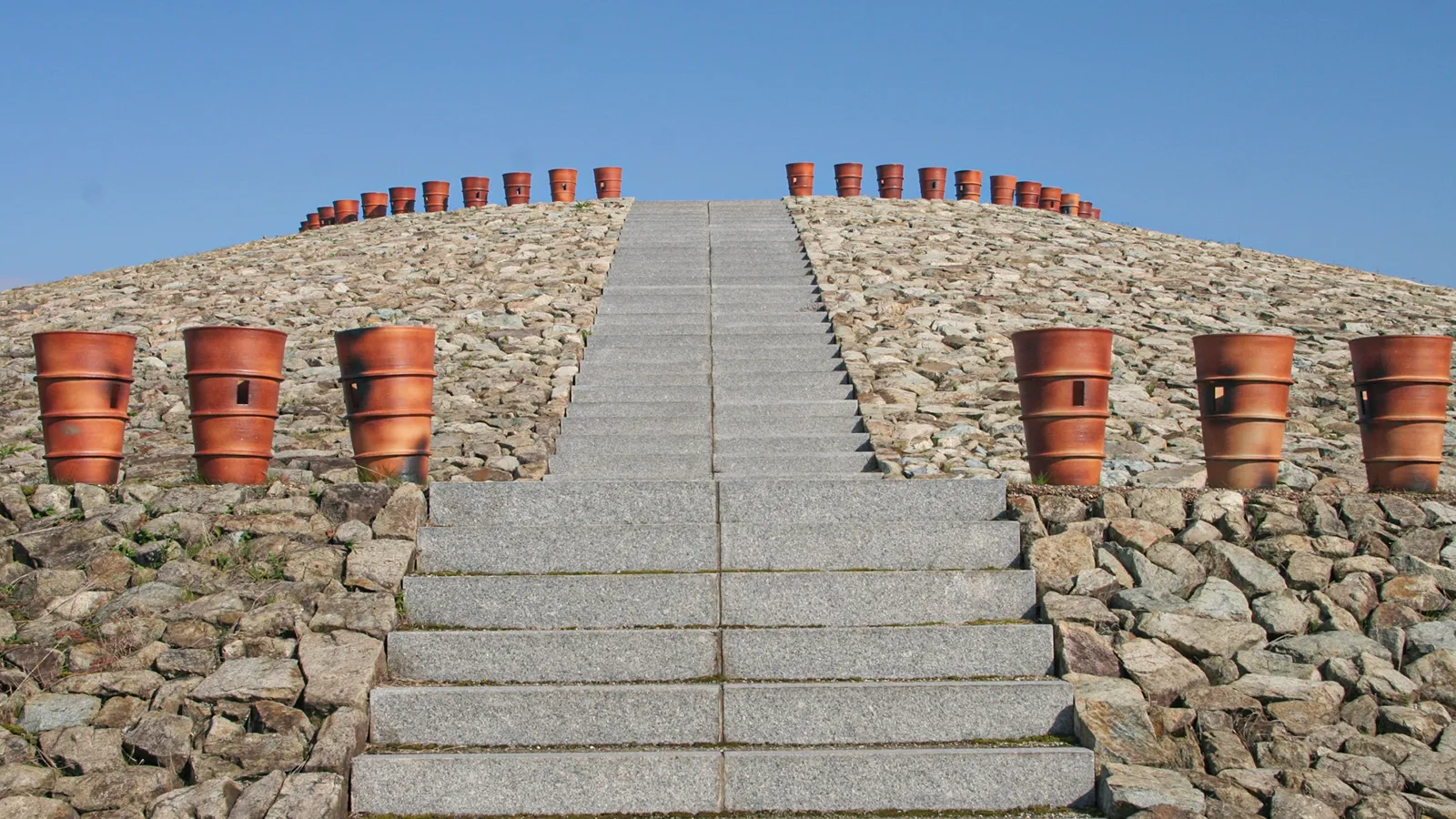
Ceramics created without artificial intent, relying instead on the forces of nature, also embody this aesthetic. Shigaraki ware, which is appreciated for its rough clay texture and the natural ash glazes created accidentally by the fire and scattering ash inside the kiln without applied glazes, serves as an accessible craft for understanding the aesthetic acceptance of chance and material transformation.

The Beauty of Patina in Well-Used Tools
In Japanese crafts, an object is not considered most beautiful solely when it is newly completed.
The process of aging and patina, where an object gains luster and settles into the hand through daily use and care, is highly valued. Embracing how a tool changes its appearance over time reveals the warm perspective of sabi.
Applications in Contemporary Spatial and Interior Design

The philosophy of wabi-sabi extends beyond traditional Japanese culture, heavily influencing the fields of global spatial design and interiors.
Deep Affinity with the “Japandi” Trend

In recent years, “Japandi” has emerged as a style attracting significant interest in overseas interior design circles. Blending traditional Japanese elements with Scandinavian functionality, this style is constructed primarily around natural materials such as solid wood, linen, and clay.
Creating spaces that suppress flashy ornamentation and emphasize the raw textures of materials is highly compatible with the wabi-sabi perspective, which prizes simplicity.
The Beauty of Empty Space and the Light and Shadow Created by Washi

When incorporating the sensibilities of wabi-sabi into a space, a key factor is the arrangement of ma—a sense of spatial pause or meaningful emptiness—often discussed alongside yohaku, or negative space. This does not merely mean having fewer objects; it involves placements that assign intention to the blank areas of a room.
Additionally, illumination filtered through washi paper, commonly used for shoji screens, blocks direct light to create soft gradients of light and shadow. Such quiet, ambiguous spatial direction is utilized as an interpretation of wabi-sabi in interior design.
Wabi-Sabi as an Overseas Meme: Moving Beyond Superficial Consumption
While the term wabi-sabi has become widely circulated, careful consideration is needed regarding interpretations driven primarily by visuals.
The Pitfall of the “Perfectly Imperfect” Buzzword
The phrase “perfectly imperfect,” often seen on social media, is convenient for conveying the concept briefly, but it carries the risk of being misunderstood merely as a design technique to make things look intentionally crude.
The philosophy of wabi-sabi places weight on accepting the inherent qualities of materials and the natural changes brought by time, rather than an artificial roughness that deliberately feigns imperfection.
Embracing a “Sense of Time”: What Creators Truly Need to Learn
In spatial creation and design, the important lesson is not the superficial imitation of aged textures, but an underlying sense of time.
It is about maintaining and using a single object for a long time, deepening attachment as it ages. In an era where sustainability is highly valued, this attitude of engaging with objects over time serves as a crucial suggestion for reevaluating our mass-consumption society.
Frequently Asked Questions About Wabi-Sabi (FAQ)
Finally, we clarify some common questions and answers regarding wabi-sabi.
Q. Is wabi-sabi the same as minimalism?
They are similar in that they both restrain ornamentation, but their areas of emphasis differ.
While general minimalism aims for a “stripped-down, homogenous, and refined state,” wabi-sabi differs by allowing for “natural changes and irregularities”—such as the heterogeneity of natural materials, distortions, and degradation over time—and valuing the context embedded within them.
Q. Which crafts offer the best way to experience wabi-sabi?
Accessible entry points include pottery repaired with kintsugi, where breakages are joined with gold, and ceramics like Shigaraki ware, which leaves the expression of the clay intact without the use of glazes.
Interacting with everyday items such as lacquerware and copper products, whose colors and textures transform through prolonged use, is also an effective way to experience this aesthetic firsthand.


