

WADA ENGRAVING STUDIO
About Company
Waterbirds on altar vessels, flowers on a guitar
At Wada Engraving Studio in Takaoka, Japan, engravers use a hammer and a small chisel called a tagane to cut designs into metal. The family learned its craft decorating Buddhist altar furnishings. Today its work ranges from birds and flowers on ritual vessels to engraved guitar hardware and a samurai helmet inspired by anime.
How an engraved line catches the light
A cherry blossom calls for a different drawing on a temple fitting than on an object small enough to hold in one hand. Before sketching, the engraver asks who will use the piece and where. The answers help determine the size of each flower and how much metal to leave bare around it.
Each tap of the hammer cuts a tiny facet. Tilt the finished piece and the light moves across those facets, bringing different parts of the pattern into view. The studio favours deep cuts, so the thickness of the metal matters. When working with an unfamiliar material, the engravers test it on a sample first.
Three strands of the studio’s work
Tradition: Buddhist altar furnishings
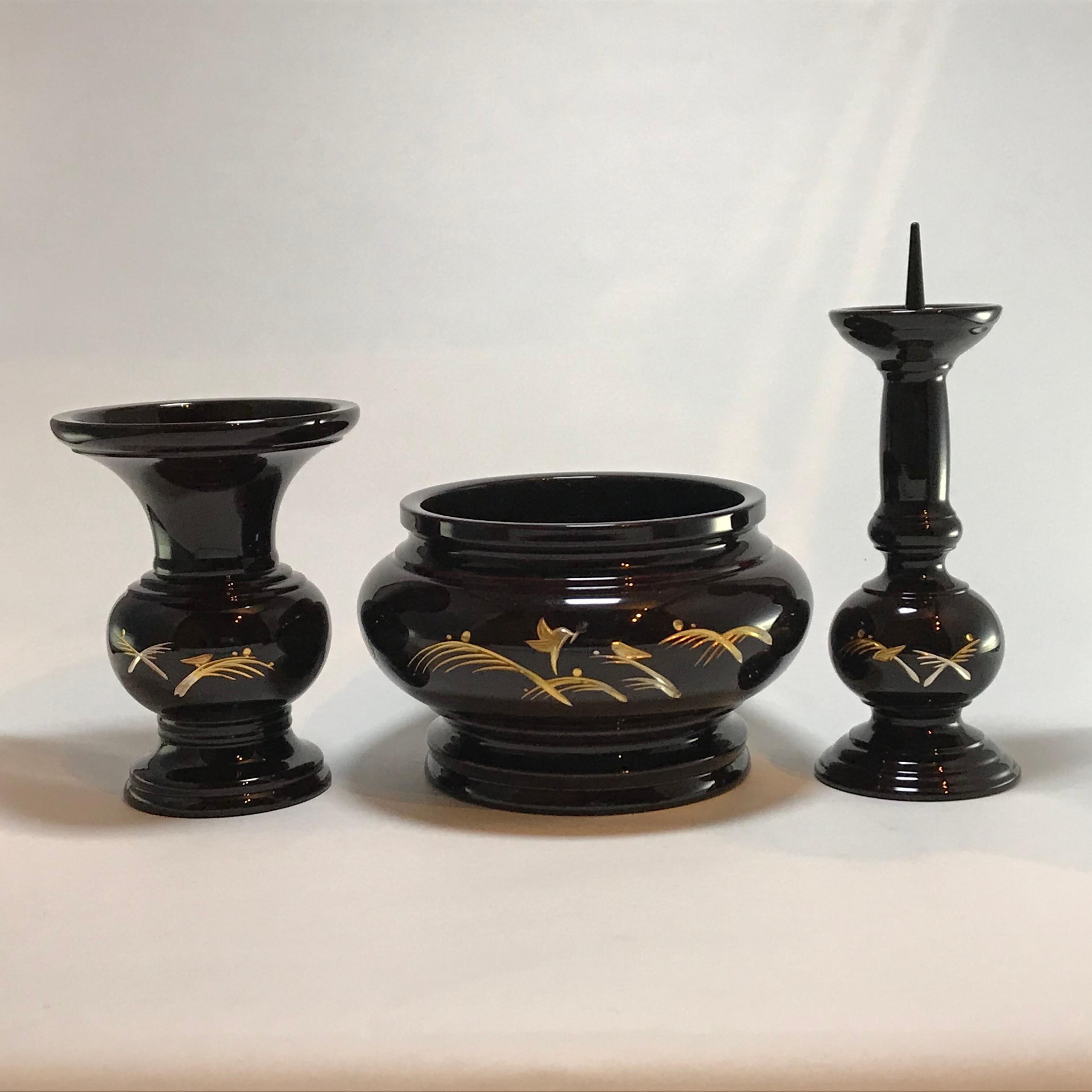
The studio engraves family crests, flowers and birds on fittings for temples, shrines and home altars. On the three-piece Buddhist altar set shown here, a waterbird motif ties the vessels together.
Art & Hobby: a musician’s instrument
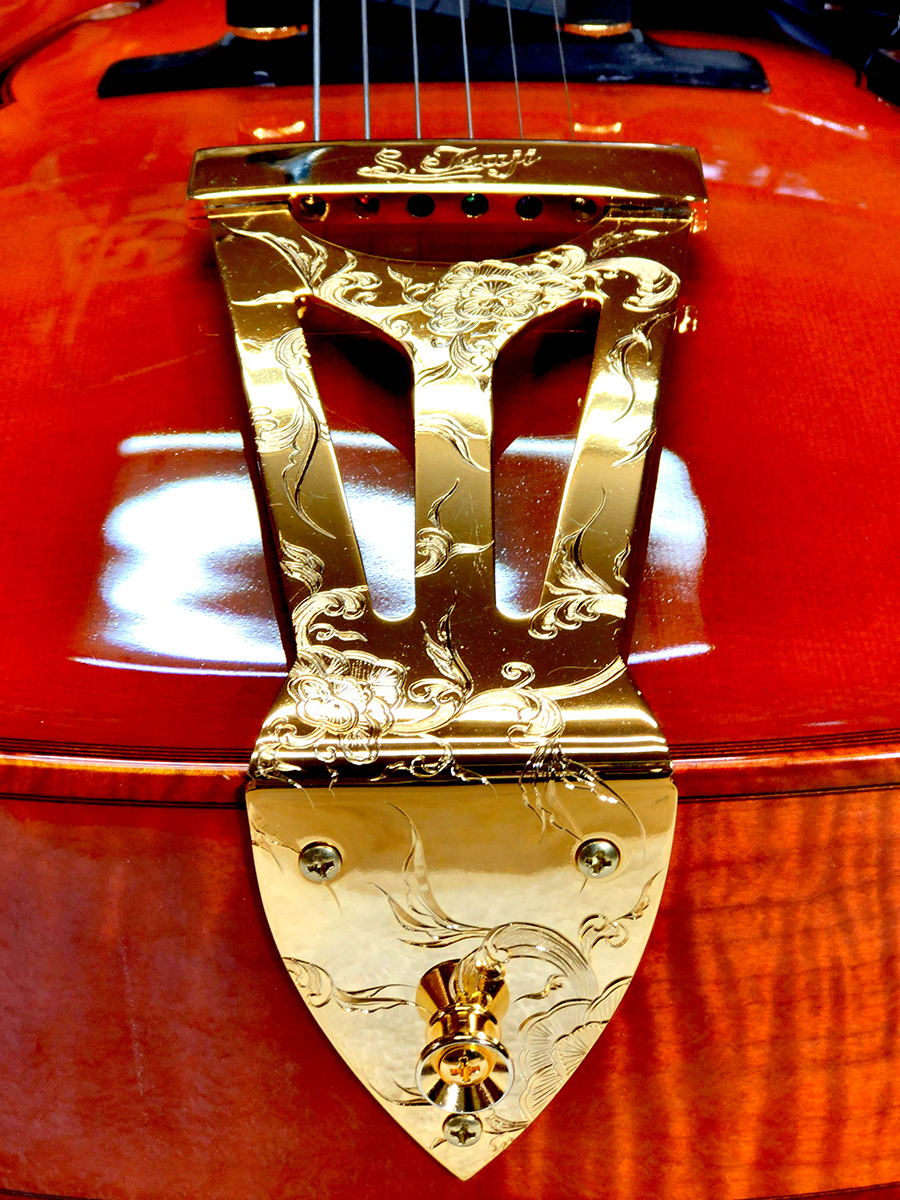
On this guitar tailpiece, the metal fitting that anchors the strings, the engraver cut a hōsōge motif: an imaginary flower combining elements of several blossoms. The studio groups work for musicians and collectors under the name Art & Hobby.
Story & Collab: from screen to metal
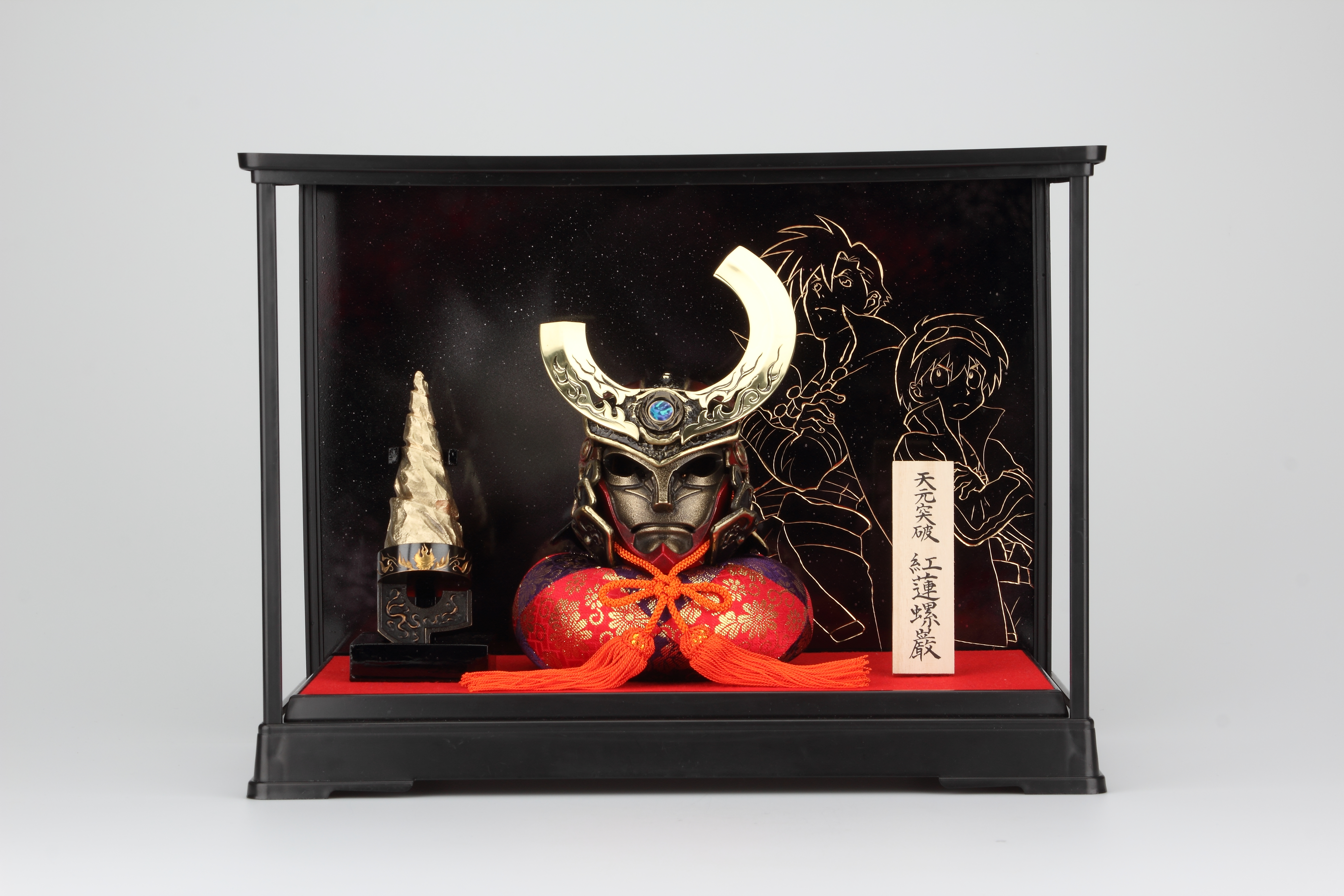
The studio also works with partners in anime and professional wrestling. Its decorative samurai helmet inspired by the anime Gurren Lagann was made for Children’s Day, when families in Japan traditionally display such helmets. It won silver in the craft design category at the 2017 Ani-Monozukuri Awards.
Shunsuke Wada and five generations of engraving
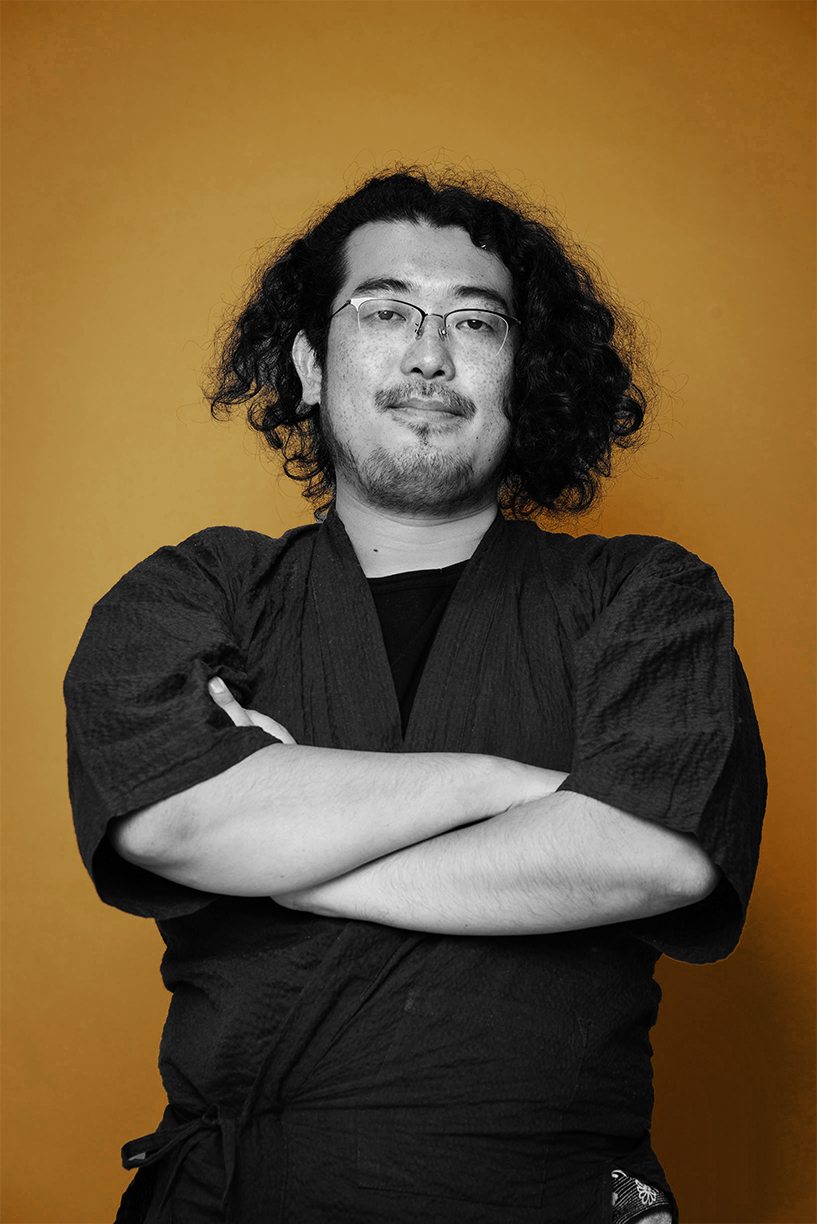
The family traces its engraving tradition to an apprenticeship that began in 1900. A predecessor workshop opened in 1919. The present-day Wada Engraving Studio dates to 1999, when Shunsuke Wada’s father established it in the Kifunemachi district of Takaoka.
Before taking up the family craft, Shunsuke planned and produced videos for a game developer. In 2011 he returned to Takaoka to train under his father. He later brought local craftspeople together to work on projects inspired by popular culture and took over the studio in 2022.
Further reading
At the engraving bench with Shunsuke Wada
In this English-language profile, Wada describes how the width and depth of a cut change the way metal reflects light.
Read the profile on Kayura →Shunsuke Wada on designing for metal
What does an engraver need to know when a client asks for cherry blossoms? In this Project O interview, Wada explains how he develops a design, tests thin metal and cuts lines that catch the light.
Read the Project O interview (in Japanese) →Studio details
| Studio | Wada Engraving Studio |
|---|---|
| Official English name | WADA ENGRAVING STUDIO |
| Location | Takaoka, Toyama Prefecture, Japan |
| Established | 1999 |
| Studio head | Shunsuke Wada |
| Website | wadachoukin.com |
| @wada_engraving_studio | |
| X | @wada_engraving |
