





Table of Contents
A Conversation Born at the Intersection of Different Fields
Minoru Kitani, CEO of ÇAETLA Inc., which has supported sewing culture in Okayama for over half a century, and Rei Sato, Founder of EBRU Inc., who has co-created new products with Japanese craftspeople and artists, came together for this exchange. The meeting between these two companies was not merely by chance but rather a dialogue realized through the need to “re-examine the essence of craftsmanship.”
Editor-in-Chief of Kogei Japonica, Seiichi Sato, also joined the discussion.
The conversation delved into a wide range of themes, including technical succession, human resources and education, the role of design, product longevity, and potential expansion into the medical field.
Company Introductions: Their Journeys and Philosophies
ÇAETLA — A Lineage of Handcraft Pursuing “The Aesthetics of What We Wear”

ÇAETLA Inc. was founded in 1974 and has evolved as a women’s clothing manufacturer centered on nightwear and lingerie. With Japanese handcraft techniques such as brush dyeing, lacework, and decorative motifs at its core, the company continues to uphold its distinctive philosophy of “delivering clothing as works of art.”

Minoru Kitani:
“Since our founding, we have never held a single sale. We want our products to be works of art that are cherished for a long time, not commodities to be discounted.”
By maintaining a domestically integrated production system and creating small quantities over time, they imbue their products with unique textures and techniques.


EBRU — A Brand Creating New Expression Through “Art × Craftspeople × Sound”

EBRU Inc. creates fashion, jewelry, and audio devices through collaboration with traditional materials, techniques, and craftspeople. Their signature product **EARMIND** elevates earphones into works of art through lacquer, marbling techniques, and other crafts.
Rei Sato:
“Fashion and craftsmanship are not separate entities but rather part of a broader cultural system that supports Japanese craft.”
By wearing art pieces, they strive to infuse daily life with aesthetic sensibility and bridge the spiritual distance between makers and users.

Background of Their Meeting — Exhibition as an “Entry Point of Resonance”
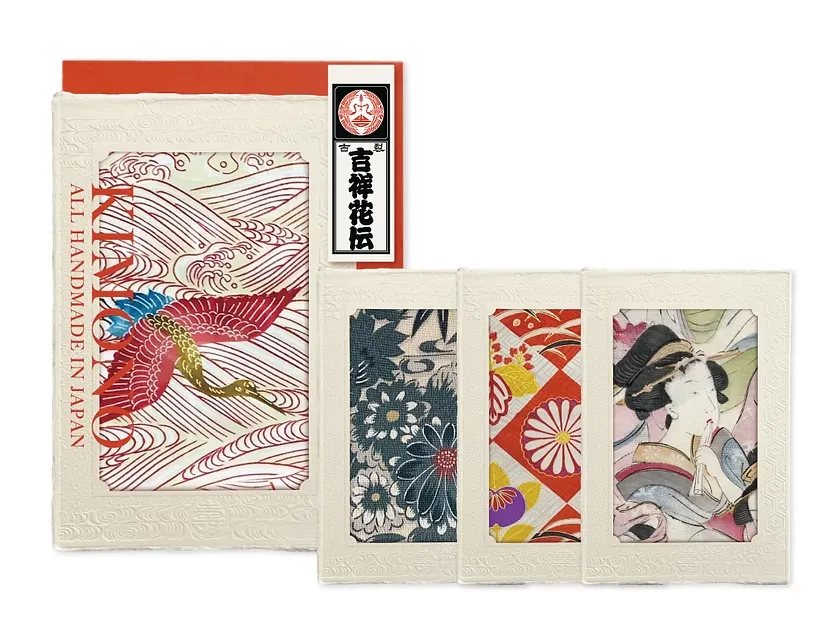

Minoru Kitani:
“I felt that craftsmanship was being elevated into fashion and art, and I was deeply impressed by how craftspeople were being engaged.”
The decline of skilled sewing personnel, difficulties in technical succession, and exhaustion of regional manufacturing—both companies recognized these shared challenges, leading to this dialogue.
The Core of Craftsmanship — Technique, Dialogue, and Spirituality
The “Spirit of Each Piece” That ÇAETLA Continues to Protect
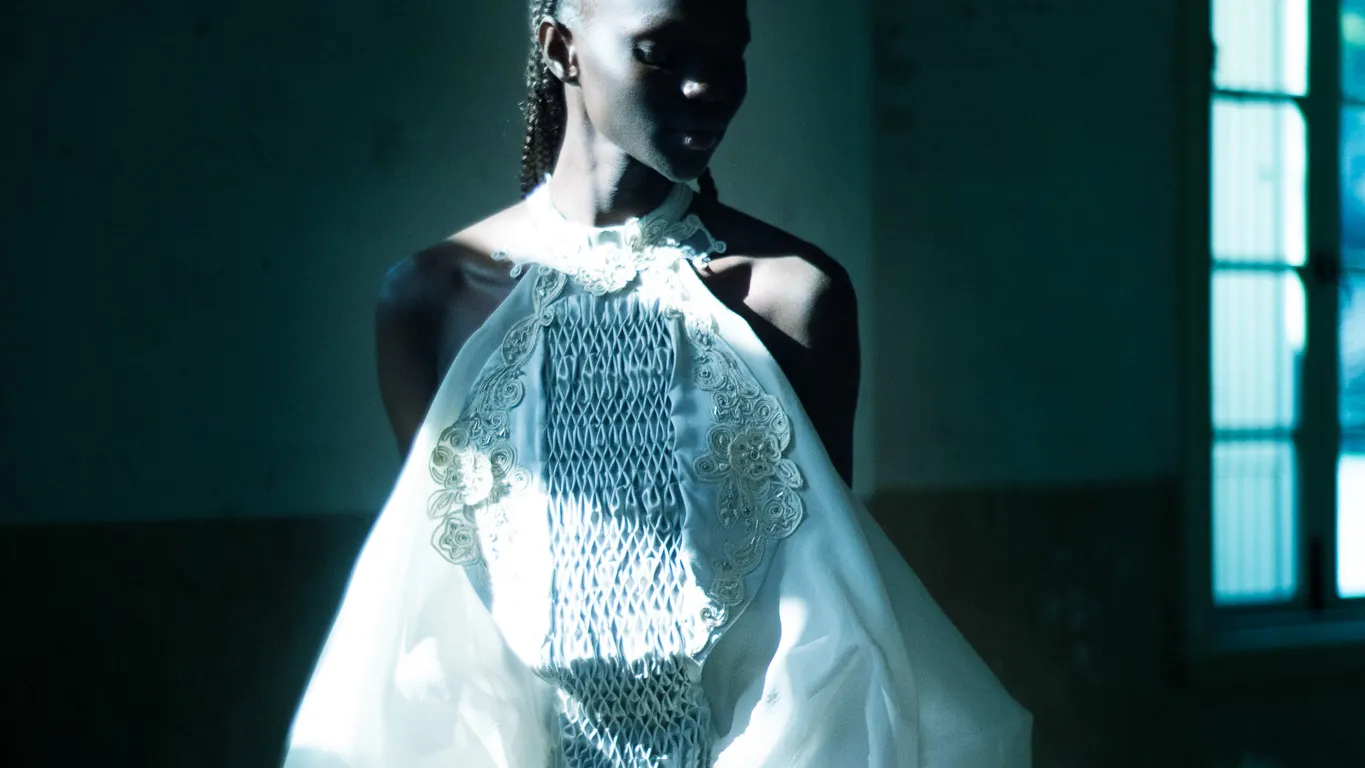
ÇAETLA has a rare system in which everything from design to cutting to sewing is completed in-house. This structure maximizes the depth of dialogue with craftspeople.

Minoru Kitani:
“Because designers sew themselves, their intent is conveyed and the final quality is preserved.”
The company treats its products as artistic garments and upholds a philosophy of long-term ownership.
EBRU’s Proposition of “Wearable Craftsmanship”
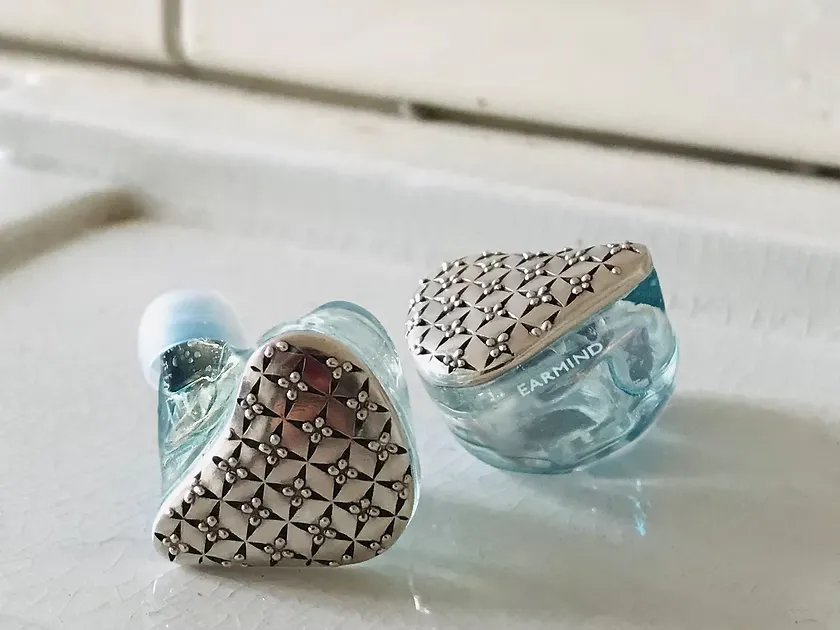
The development of EARMIND was an effort to treat earphones like cultural artifacts.

Rei Sato:
“While considering their internal structure, we kept thinking about what expression should appear externally, visible on the ear.”
The brand’s promotional video featured dancers from Kanazawa and artists from art universities, with even the music created by hand.
This was not merely a product introduction but a transmission of cultural content.
Technique and Dialogue — Creation That Transcends Generations and Fields
Both parties agreed on the importance of designers and craftspeople being physically present in the same space and overcoming barriers together.
Rei Sato:
“By conversing on-site, hearts open and we can reach the same perspective.”
Minoru Kitani:
“EBRU’s initiatives are revealing new pathways for craftspeople.”
The Social Issue of “Craftsperson Shortage” and Educational Challenges
The most intense theme in the discussion was the need to expand opportunities for craftsmanship education.
Kitani conducts workshops and classes in Okayama, engaging directly with educational settings.
Minoru Kitani:
“Children’s eyes light up just by touching lace. Opportunities to actually touch things are truly decreasing.”
Rei Sato also teaches experiential classes on color and materials for children from preschool to high school age.
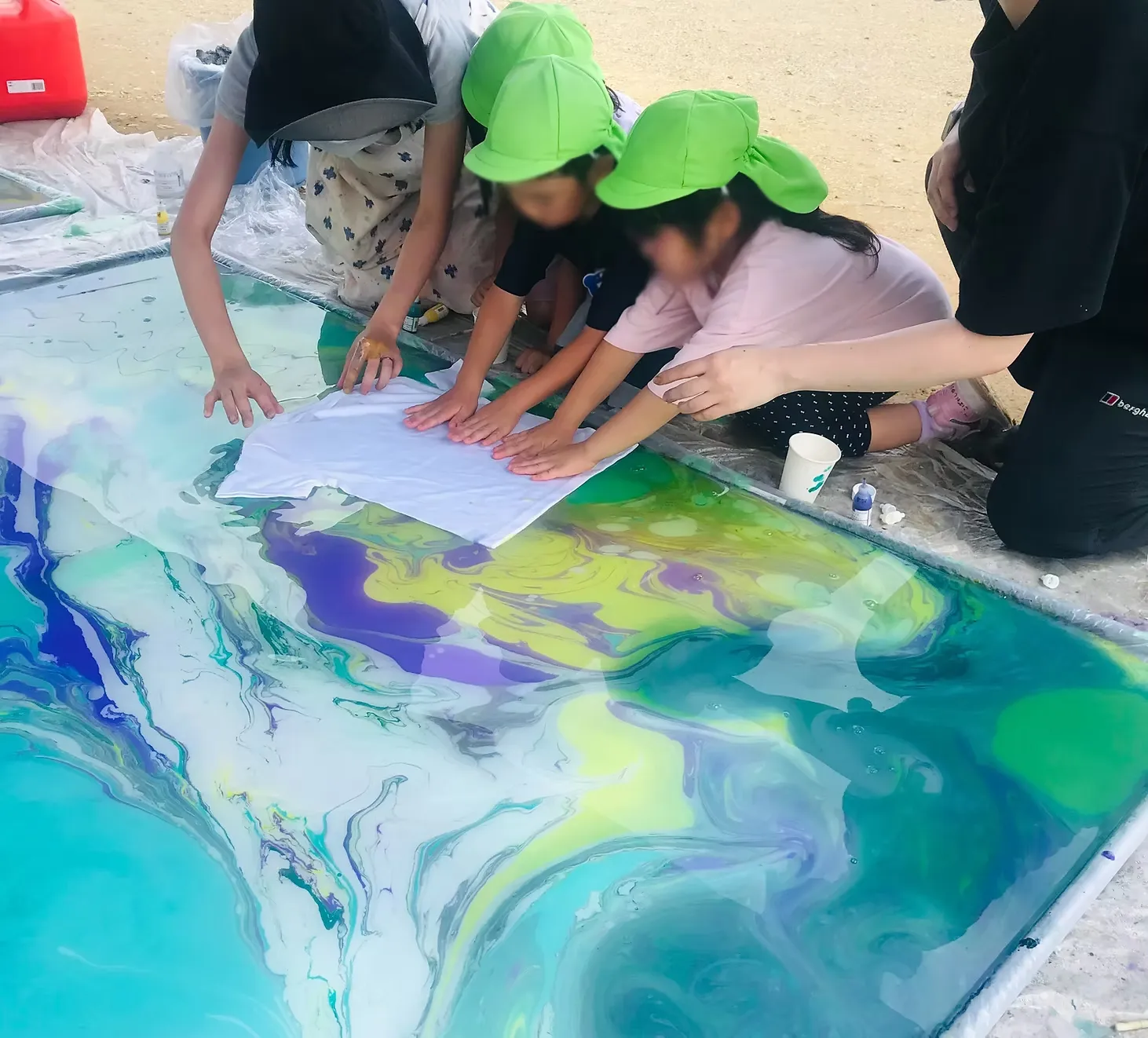
“Interest develops through encounters. We need environments where those encounters can happen.”

In Japan, where shortages of technical personnel and stagnation of succession are accelerating, this field will only grow more important.
New Future Visions Emerging from the Discussion
As the dialogue deepened, multiple future possibilities emerged.
Application to Medical Device Fields Such as Hearing Aids
Minoru Kitani:
“Just as eyeglasses were transformed through design, I feel there is potential to transform hearing aids as well.”
Rei Sato:
“We’ve attempted this before, but the barrier of medical approval is high, and entry requires time and capital.”
Development into Cultural Assets Through Repair and Remake
Rei Sato spoke about the value that objects gain when they inspire us to repair and continue using them even when broken.
Kitani agreed and introduced an example where ÇAETLA clothing was remade from a child’s baby dress into a wedding dress.
He emphasized that “the product accompanies people’s lives.”
The Narrative of Craftsmanship
Editor-in-Chief of Kogei Japonica, Seiichi Sato, spoke about the importance of widely sharing such real dialogues with the world.
Seiichi Sato:
“I feel that the background and philosophy discussed today themselves become important content that deepens the value of products. By conveying that narrative, users can engage with meaning and context, enriching their understanding and attachment.”
Facing Reality — Hurdles Are Also a Source of Creation
The gap with mass production, barriers to entry in the medical field, and the complexity of dialogue with craftspeople— These challenges are simultaneously “entry points for culture-shifting innovation.”
ÇAETLA has refused mass production for over half a century.
EBRU continues to bring artistic endeavors to the market.
The stance of both companies symbolizes continuous challenge not as problem-solving but as “cultural creation.”
Conclusion: The Future of Craftsmanship Is Created Through “Dialogue”
This dialogue was not simply an exchange of opinions between companies. It was the sharing of values and a conversation itself aimed at creating culture.
When we look at clothing, accessories, and earphones, beyond “function,” they embody:
- The lives of makers
- Aesthetic sensibility
- Technique
- Narrative
The future envisioned by ÇAETLA Inc. and EBRU Inc. is one of redefining technology, education, and culture.
How this movement will manifest in the world—
Kogei Japonica will continue to follow it.

