




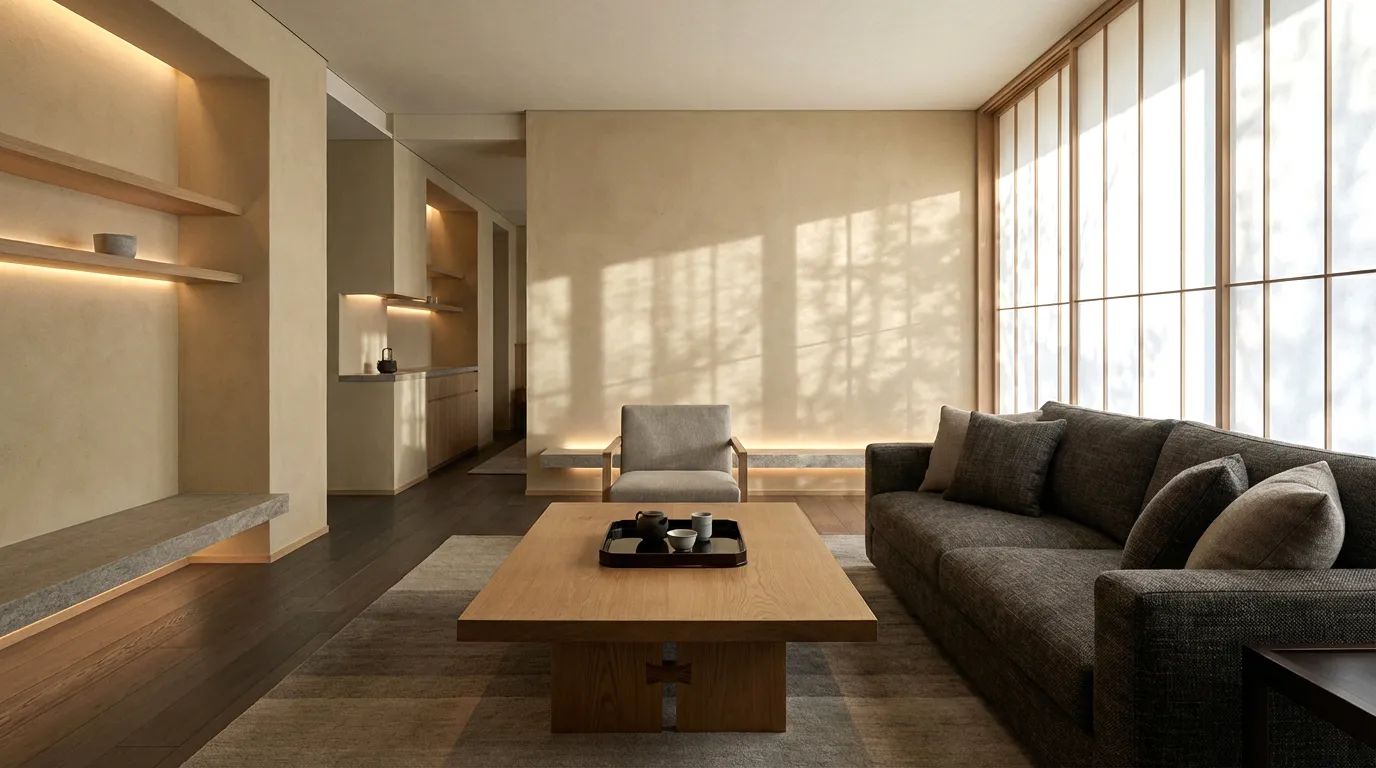
In global architecture and interior design, interest is shifting away from asserting status through brand logos and excessive ornamentation toward “Quiet Luxury”—a value system that prioritizes inner richness and spatial calm.
As a compelling option for translating this concept into physical spaces, Japanese crafts (Kogei) are increasingly being introduced internationally among designers and architectural professionals.
In this article, the editorial team at the traditional craft media Kogei Japonica turns this abstract trend into concrete material choices, unpacking how Japanese Kogei brings refined serenity to contemporary spaces.

- The essence of “Quiet Luxury” embodied by Japanese Kogei lies not in brand display, but in the density of natural materials, a quiet presence, and the “precision of handwork” designed for long-term use.
- In spatial design, Japanese Kogei introduces visual and acoustic calm to premium residences and hotels through five materials: wood, washi paper, urushi lacquer, textiles, and sakan plaster.
- The aesthetics of restoration, represented by kintsugi, and the interior application of traditional textiles presented at Milan Design Week 2026 strongly align with the values of global top creators who emphasize sustainability and tactility.
Table of Contents
Why High-End Global Spaces Choose Japanese Kogei for Quiet Luxury

What modern collectors and architects seek in a space is not an obvious display of wealth, but a serenity that reduces the noise of daily life and allows them to face their inner selves. “Quiet Luxury” refers to an approach that relies not on logos or flashy designs, but on a high sense of materiality, meticulous handwork extending to unseen areas, and an intrinsic quality capable of withstanding long-term use.
Japanese crafts are selected within this context because the philosophy of “beauty in utility” (Yo-no-Bi), passed down since ancient times, significantly overlaps with contemporary spatial requirements.
Unlike the homogeneous finish of industrial products, natural materials shaped through the manual work of artisans impart a rich context of “materiality” and “craftsmanship” to a space. Introducing Japanese Kogei to high-end residences and hotels is an effective approach that goes beyond merely adding decoration; it directly influences the impression and the calming effect of the environment.
5 Materials That Bring Serenity to Spaces
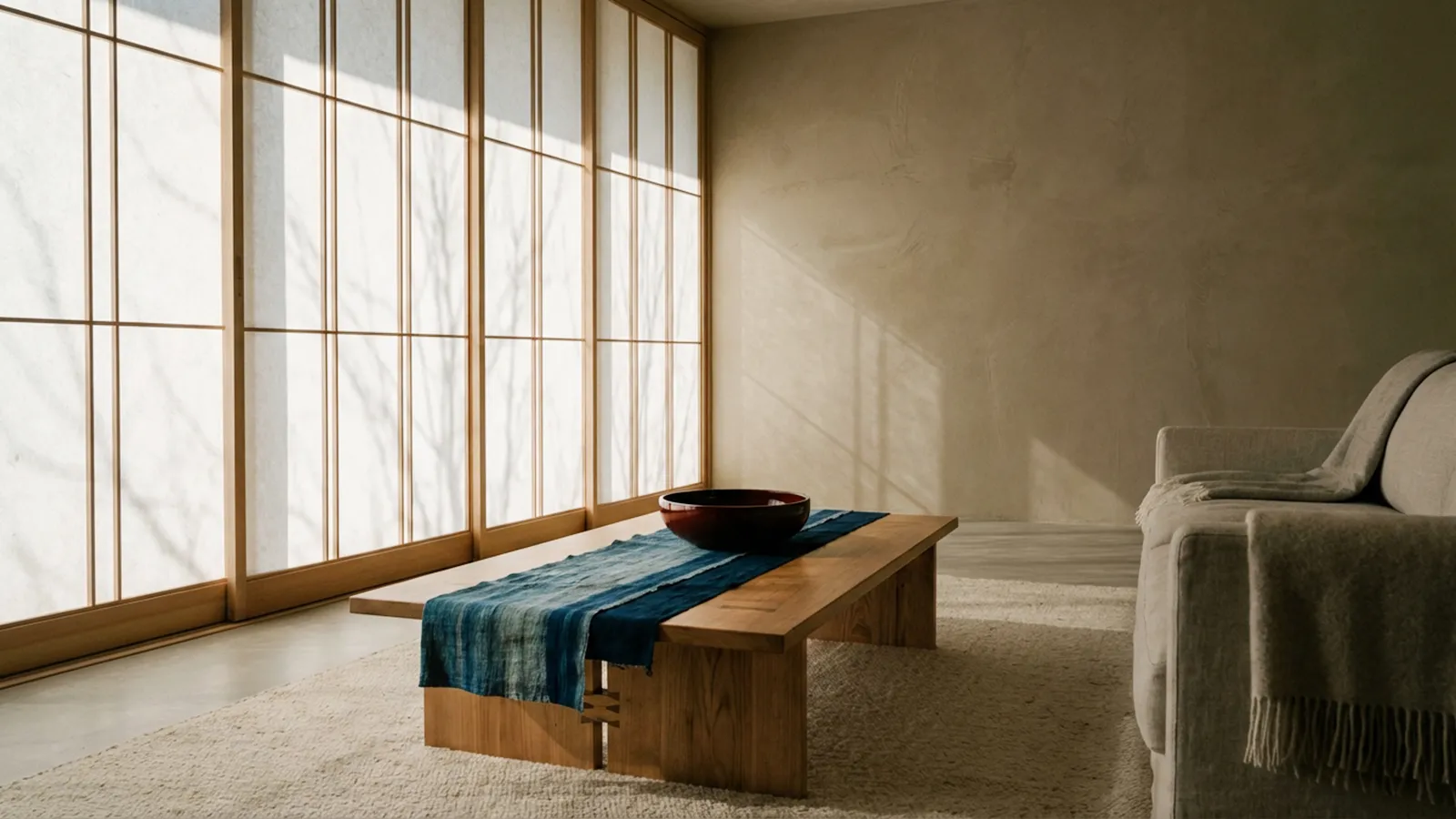
To integrate the concept of Quiet Luxury into actual architectural design and interiors, it is essential to understand the specific characteristics of the materials.
Here, we outline five Japanese craft materials that international professionals can easily introduce into their spaces, explaining the roles each plays.

Woodwork: The Quiet Order of Solid Wood and Sashimono
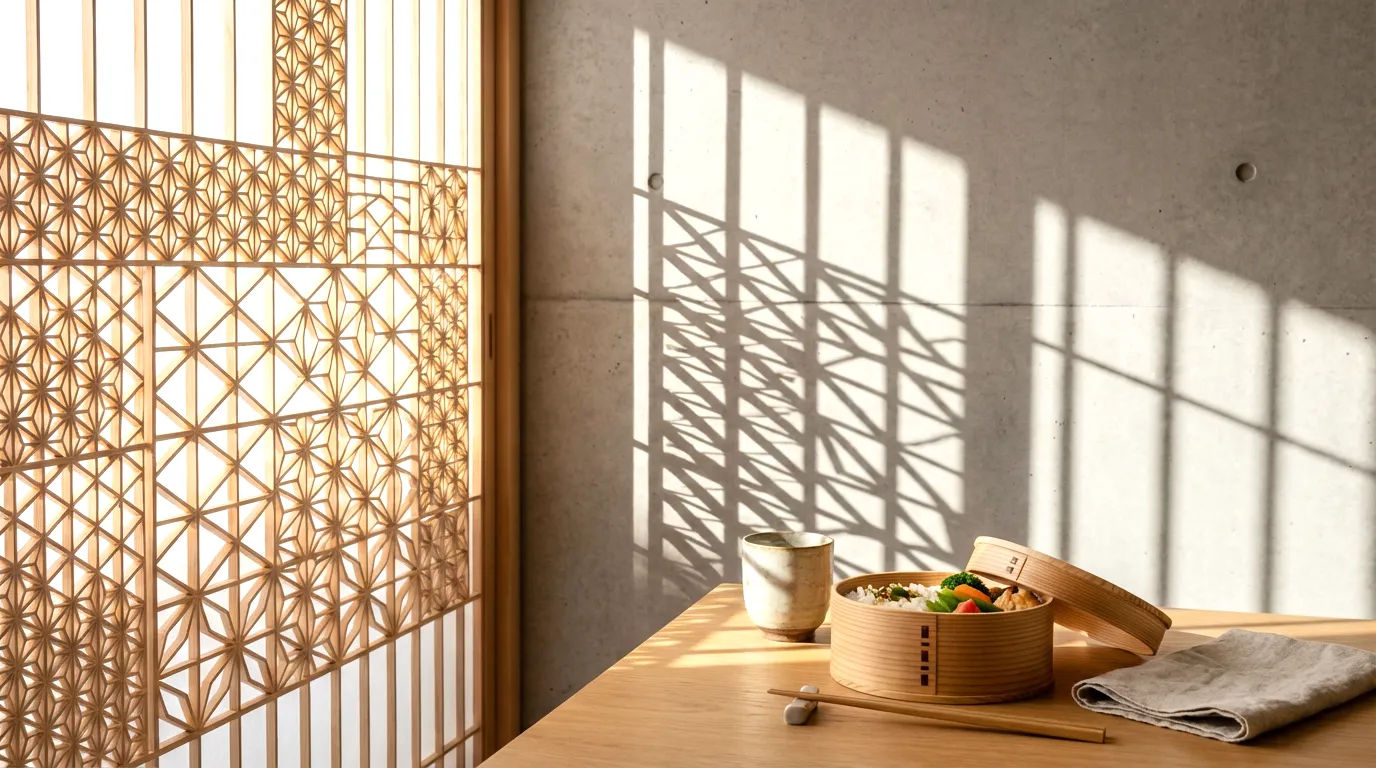
In premium spaces, wood is evaluated not just by its surface grain, but by its “density.” Japanese woodworking, particularly the technique of sashimono—joining wood without the use of nails—draws out the quiet beauty inherent in the structure itself.
Meticulously calculated joints reduce visual noise, while the solid feel and strength of the unveneered wood bring a deep sense of calm to the space.
Washi: An Organic Filter That Softly Diffuses Light
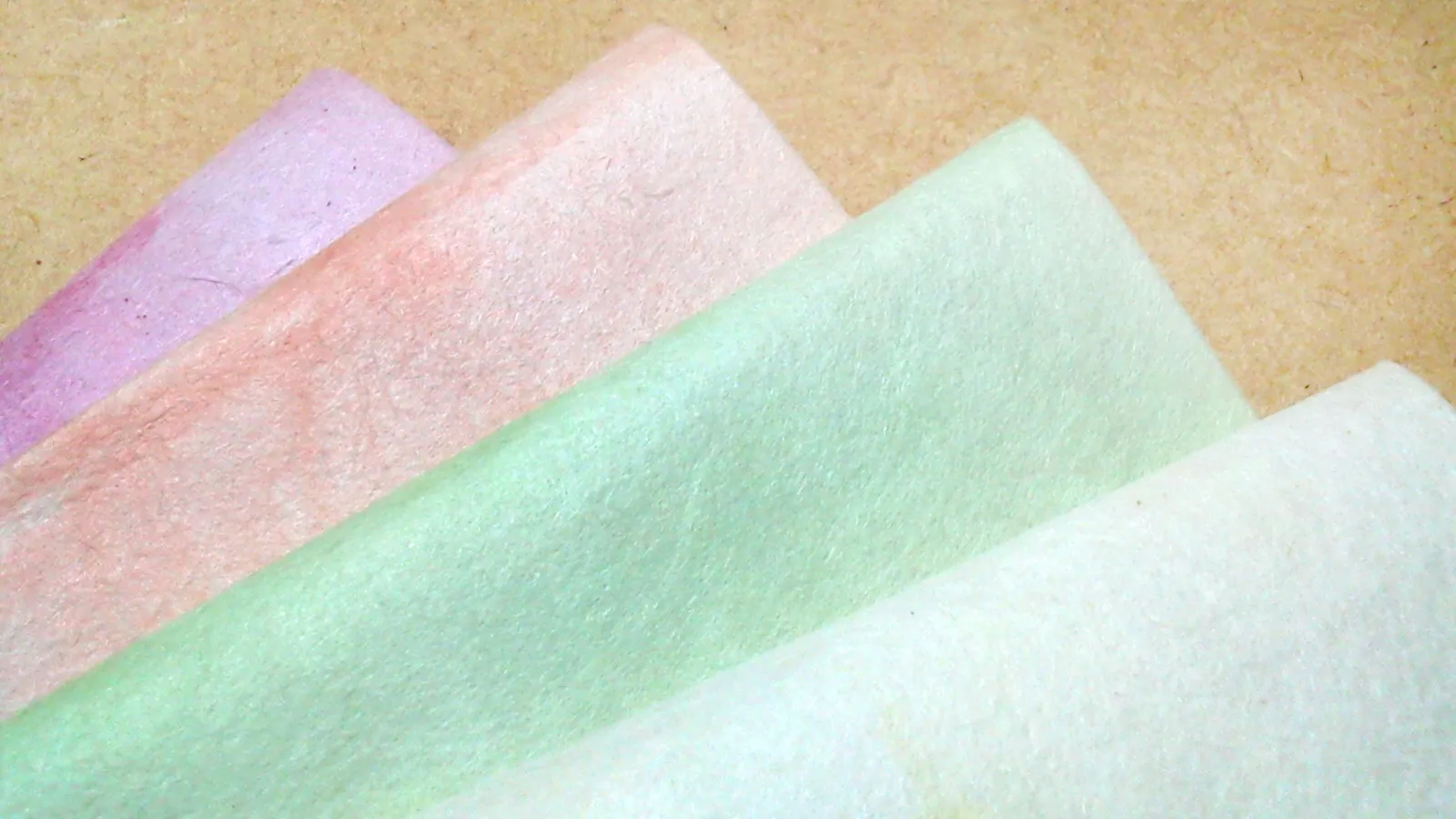
Washi paper is recognized in contemporary architectural spaces as a highly effective material for controlling light.
In high-end residential and hospitality environments, washi functions as an organic filter that blurs the boundaries of natural light and indirect illumination. The shadows created by softly diffusing the light produce a comfortable sense of space and atmosphere throughout the entire room.
Urushi: Deep Luster and a Sustainable Natural Coating
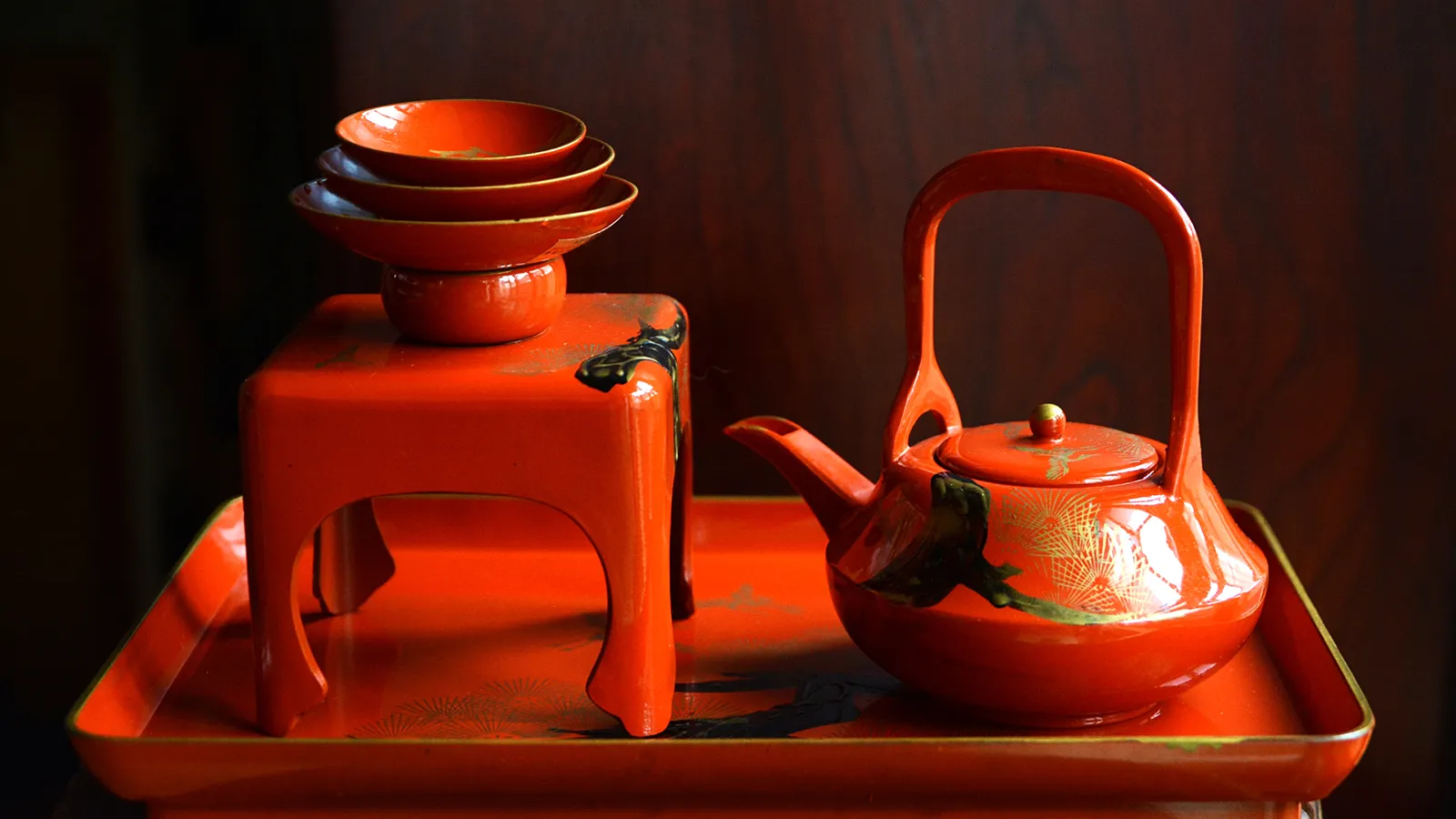
Urushi, crafted from natural tree sap, possesses a deep luster distinct from the high-gloss finishes of chemical paints.
The jet-black or vermilion surfaces, born from a repeated process of coating and polishing, do not emit a harsh glare; rather, they hold a unique texture that seems to absorb the surrounding light.
Furthermore, due to its characteristic of gradually changing expression as it ages, it is highly regarded as a sustainable material predicated on long-term use.
Textiles: Japanese Weaving Giving a “Tactile Layer” to Walls and Furniture
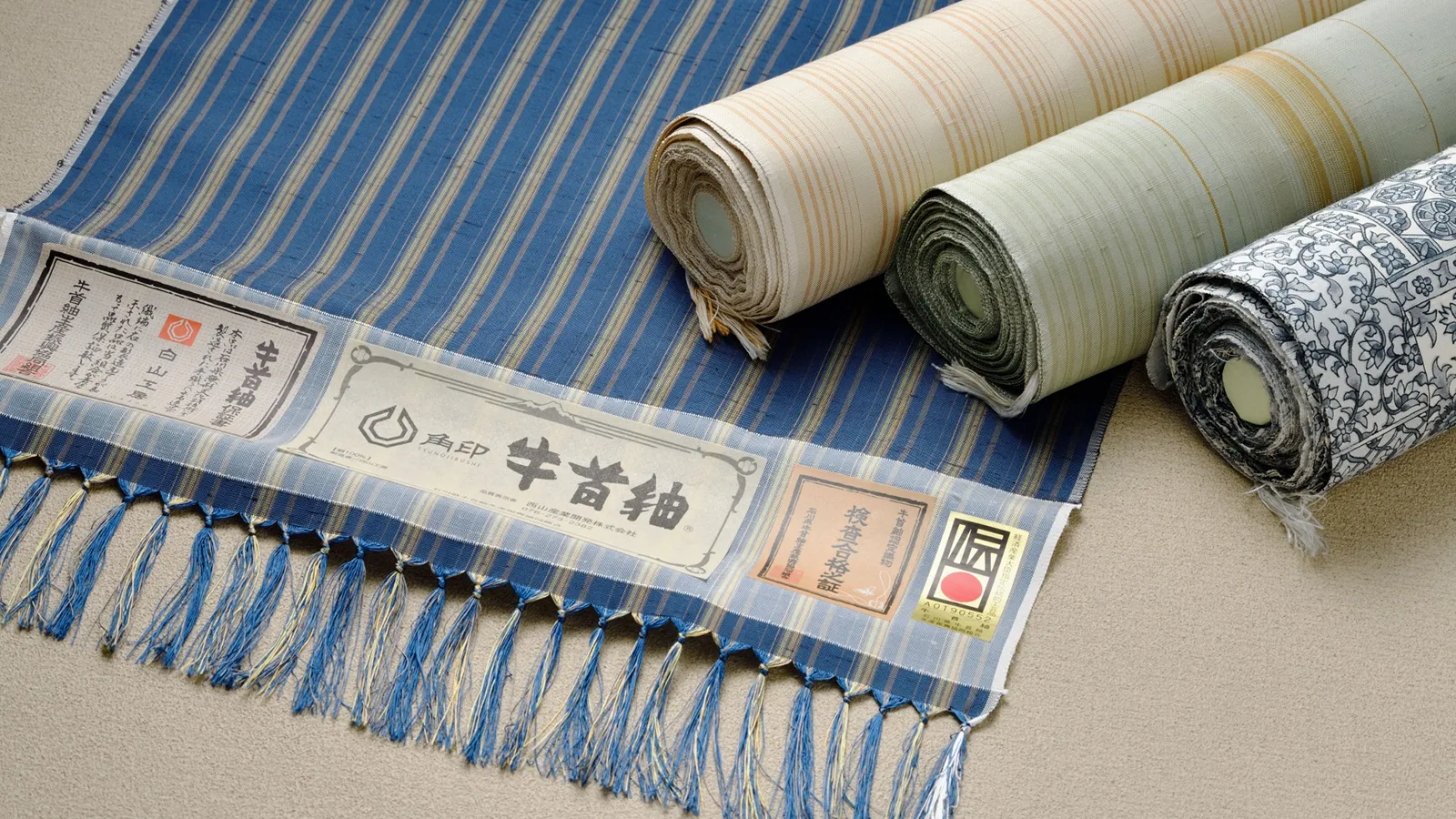
Traditional textiles used for wall panels or lounge furniture upholstery provide the space not only with visual variation but also with a tactile layer that can be touched directly.
The three-dimensionality created by the overlapping threads subtly changes the room’s atmosphere depending on the time of day and the angle of the lighting.
Sakan Plaster: Wall Textures as a Quieter Kind of Luxury

Sakan plaster walls, utilizing earth or shikkui (lime plaster), impart a natural texture to modern, color-restrained spaces.
The subtle traces left by the artisan’s trowel introduce a gentle fluctuation to otherwise uniform walls, creating visual softness. Additionally, earthen walls and shikkui, being highly porous natural materials, give the impression of softening the reverberations within a room. They are increasingly chosen as building materials that express a metaphorical “acoustic calm.”
[Practice and Philosophy] The Beauty of Imperfection: Wabi-Sabi and the Aesthetics of Kintsugi

The reason Japanese Kogei is drawing attention in spatial design lies not only in its physical materiality but also in a profound resonance with the “spirituality and practice” behind it.
While traditional Western luxury tends to idealize an “unchanging, perfect state,” at the foundation of Japanese aesthetics lies wabi-sabi.
This is a warm perspective that accepts changes over time and imperfections, finding beauty within them.
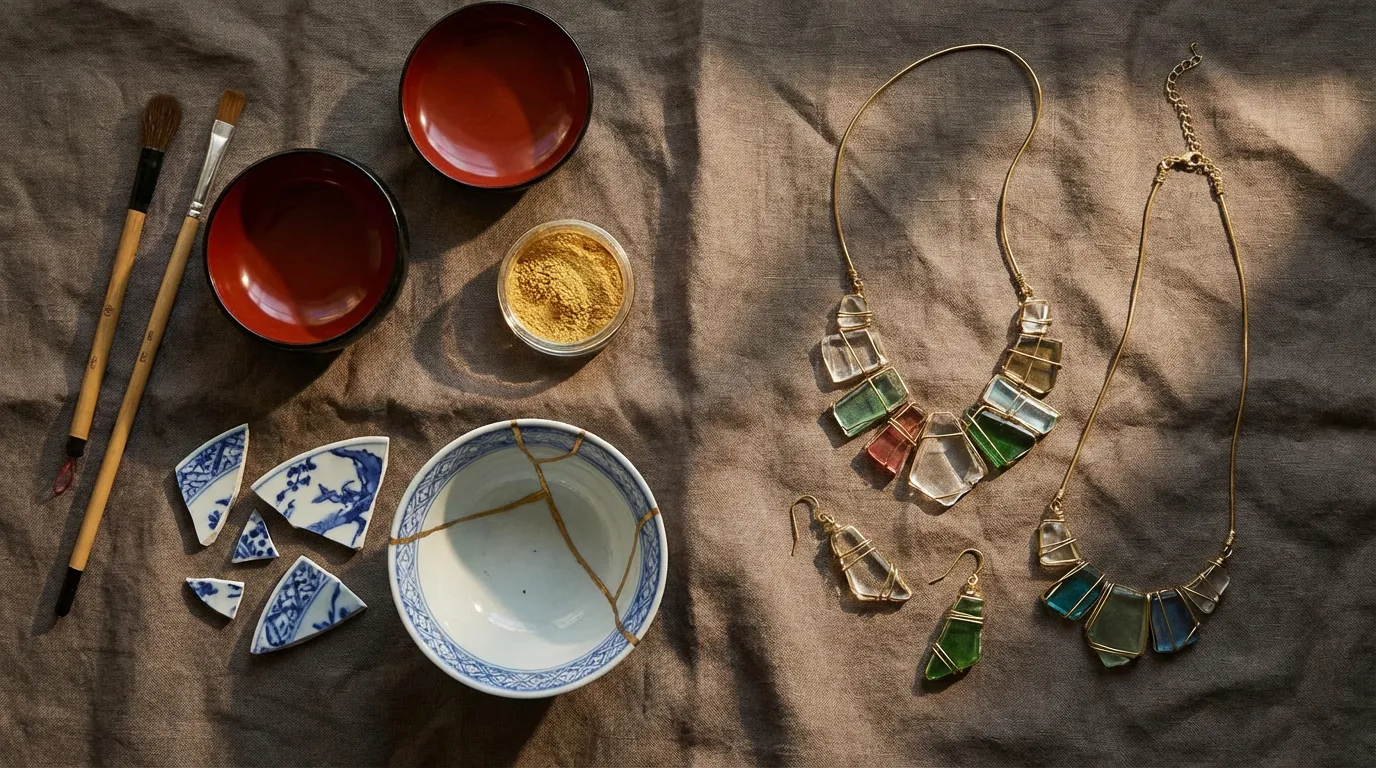
A prime example of this is kintsugi. Rather than discarding broken ceramics, this technique pieces them back together with urushi and decorates the seams with gold or silver, acting as a practice that preserves the story of repair as part of the object itself.
This attitude of affirming the damage as part of the process of long-term use, rather than hiding it, heavily overlaps with the values of contemporary luxury consumers who prioritize sustainability. It is gaining interest as an approach that embodies the philosophy of Quiet Luxury.


Implementation Examples: The Current State of “Kogei × Space” at Milan Design Week 2026
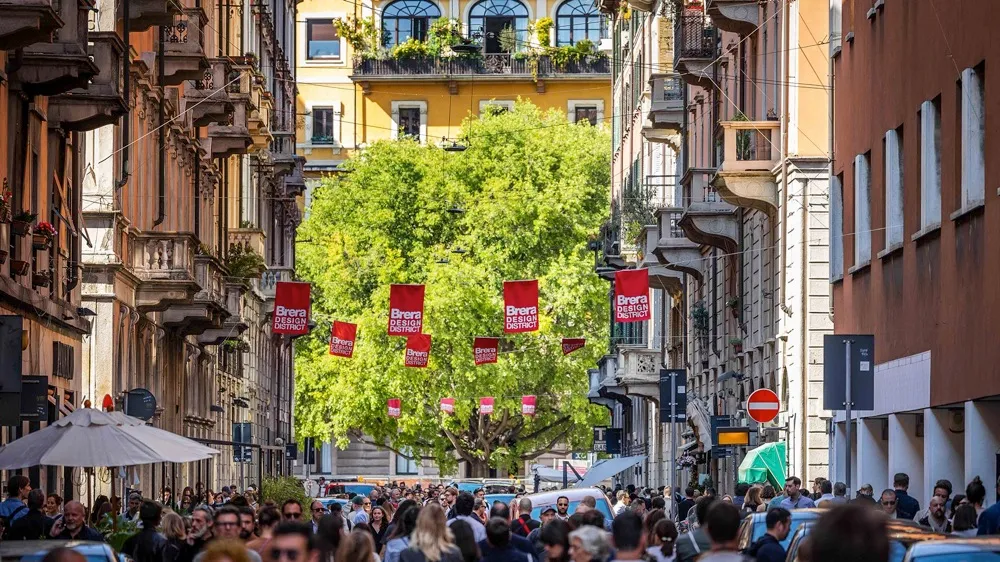
As suggestive examples of how Japanese Kogei is being deployed as contemporary spatial materials within the context of Quiet Luxury, we can look to the presentations at Milan Design Week, held in April 2026. Let us examine the proposals being made at this gathering of the world’s top creators.

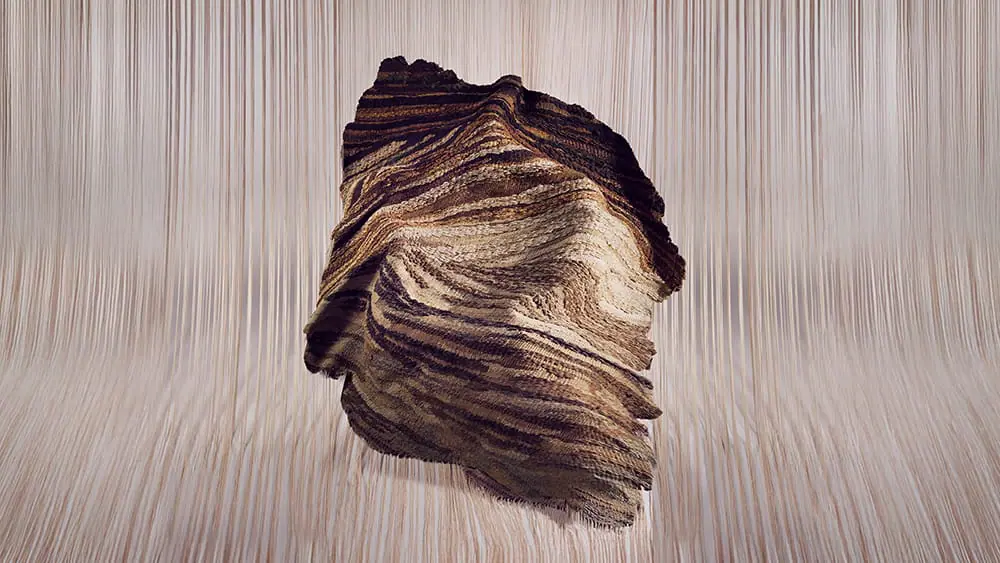
Kawashima Selkon Textiles: A Sense of Material Accumulation in “Woven Strata”

Tatsumura Textile: “CASA TATSUMURA” Presents Museum-Grade Quality for Everyday Spaces
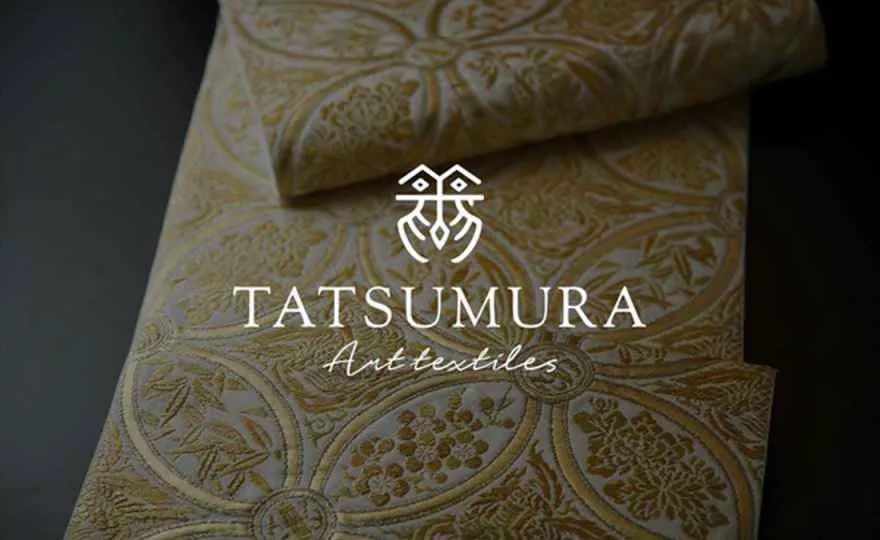
From the perspective of the Kogei Japonica editorial team, the approach of translating the high density and quality cultivated through fine art textiles onto everyday furniture and walls is an attempt to bring “museum-grade” textures into living spaces. This serves as an important indicator when considering Quiet Luxury.

Frequently Asked Questions
We have compiled clear answers to the most common questions from international architects and interior designers regarding the integration of Japanese Kogei into spaces.
Q. Are Quiet Luxury and Japanese minimalism the same thing?
While they share similar elements, their approaches differ. Japanese minimalism primarily focuses on “subtracting elements to emphasize empty space,” whereas Quiet Luxury is predicated on “the density of handwork and a high-quality sense of materiality.”
Its defining characteristic is that, even if visually simple, a highly time-consuming process exists behind it (such as urushi applied in countless layers, or high-density textiles).
Q. What types of spaces (residences, hotels, etc.) are Japanese Kogei materials easiest to introduce into?
The suitable materials vary depending on the use of the space. In high-end residences, “wooden furniture” and “urushi fittings and vessels,” which residents can interact with daily to confirm their texture, are preferred.
Conversely, in hospitality spaces such as hotels and galleries, materials that elevate the environmental quality are more easily integrated. These include “washi lighting and partitions” to adjust the overall light and atmosphere, and “sakan plaster or textile wall panels” to serve as visual accents.


