



![[2026 Edition] Top Craft Gift Rankings That Recipients Will Love | Selection Guide by Recipient & Occasion](https://en.kogei-japonica.com/media/wp-content/uploads/2026/01/Japanese-craft-gift-rankings-1536x864.webp "[2026 Edition] Top Craft Gift Rankings That Recipients Will Love | Selection Guide by Recipient & Occasion")
Body: In the 2026 gift-giving landscape, craft items have evolved beyond mere presents into special gifts that resonate with the recipient’s lifestyle and sensibilities. Crafts that convey the texture of materials, the background of techniques, and the artisan’s intent leave deeper joy and lasting memories when selected according to the relationship with the recipient and the intended purpose.
This article presents craft items that make delightful gifts in a ranking format, along with detailed explanations of selection tips by recipient and occasion. Covering everything from traditional woodwork and ceramics to contemporary glass and textiles, we deliver a comprehensive guide to recommended craft gifts for 2026 that even first-time gift buyers can confidently choose from.
Table of Contents
[2026 Edition] Top 10 Craft Gift Rankings That Recipients Will Love
Japanese crafts are gaining renewed attention as gifts for loved ones. They’re valued not as disposable items but as objects used daily over long periods, gaining deeper value with time.
This ranking focuses on crafts that are easy to select without specialized knowledge, combining practicality with beauty. We present craft gifts that recipients will genuinely appreciate receiving for various occasions including birthdays, anniversaries, and housewarming celebrations.
1st Place: Kagawa-lacquerware Small Plates & Trays | Classic Gifts Whose Value Grows with Use

The most reliable gift choice is small plates and trays made with kagawa-lacquerware. Known as a region where multiple techniques coexist, kagawa-lacquerware combines durability with refined design. Small plates and trays are particularly easy to incorporate into dining tables regardless of Japanese or Western style, and suit any lifestyle.
While lacquerware may seem difficult to handle, modern kagawa-lacquerware is designed for everyday use and is resistant to water and oil. As it’s used, the luster increases and develops a unique character belonging only to its owner, which is why it’s highly valued as a gift. When you want to give “quality items that last,” this is the craft gift least likely to disappoint.


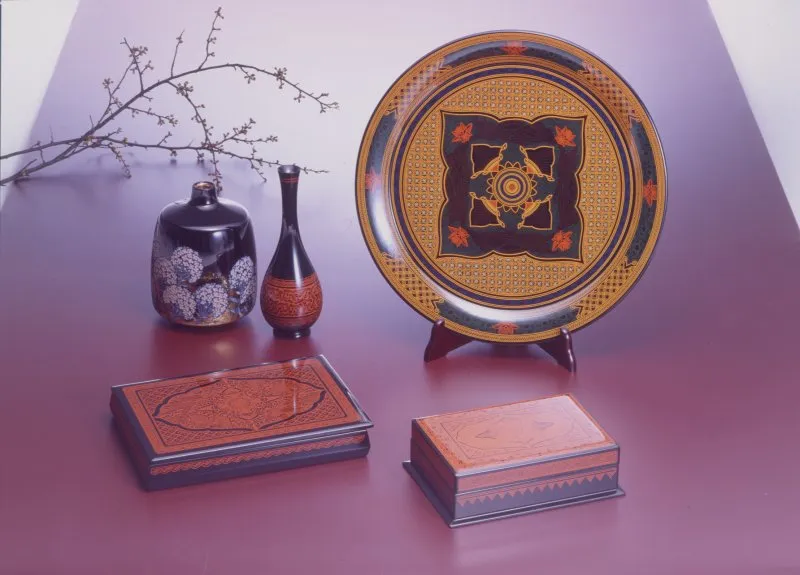
2nd Place: Aizuhongō ware Teacups & Mugs | For Those Who Value Simplicity and Practicality

Recommended for gifting everyday tableware are teacups and mugs made with Aizuhongō ware. With a history as a folk kiln, Aizuhongō ware is characterized by unpretentious, rustic charm and ease of use.
Their thickness provides stability when held, naturally blending into daily life as drinkware. While lacking flashy decoration, the glaze expressions and firing variations offer handcrafted character that brings warmth with each use.
Neither too expensive nor overly formal, and highly practical, these pieces are easy to give regardless of the recipient’s age or gender. For those seeking “everyday usable crafts,” this represents an exceptionally well-balanced gift choice.


3rd Place: Edokiriko Glasses, Developed in Tokyo (Edo) Since the Late Edo Period | Classic Craft for Anniversaries & Milestones

Edokiriko glasses enjoy enduring popularity as gifts with a special touch. The geometric patterns created through intricate cutting have an unmistakable presence as crafts, making them a popular choice for milestone gifts such as birthdays, weddings, and retirement celebrations.
The expression changes as light passes through the clear glass, with different impressions depending on the time of day and beverage. While practical, they’re also highly decorative and can be enjoyed displayed without use.
Though the price point is somewhat higher, the value as a “memorable gift” is correspondingly greater, making this a quintessential craft gift.


4th Place: Nanbutekki Teapots & Kettles | Practical Items Highly Valued Across Generations
Supported by those who prioritize practicality and durability are nanbutekki teapots and kettles. Despite their substantial appearance, they gain character with use and are highly valued as tools that can be cherished for years.
Teapots in particular often feature enamel coating on the interior, making them easy to maintain and acceptable to younger generations. While strongly associated with Japanese aesthetics, their simple design naturally fits into modern kitchens.
Highly practical and easy to give regardless of generation or gender, these are suitable gifts for those seeking “crafts that will definitely be used.”
5th Place: Kijiro-lacquer Chopstick & Chopstick Rest Sets | Well-Balanced in Price and Quality
Popular as gifts that balance casualness with craft authenticity are chopstick and chopstick rest sets made with kijiro-lacquer. Kijiro-lacquer is characterized by deep lacquer colors that showcase the wood grain, conveying quality without flashiness.
Chopsticks and chopstick rests are everyday tools that people rarely buy high-quality versions of themselves. This makes them particularly satisfying to receive as gifts.
The price point is relatively accessible, making them suitable for small thank-you gifts, housewarming presents, or gifts for multiple recipients. These craft gifts excel in situations where you want to “subtly give something of quality.”


6th Place: Mashiko-ware & Kasama-ware Free Cups | Gifts That Convey One-of-a-Kind Charm

Chosen by those who value handmade warmth are free cups from mashiko-ware and kasama-ware. These regions are known for their creative freedom and vessel-making designed for everyday use, with each piece showing unique glaze flows and firing colors even in identical shapes.
This naturally conveys the appeal of being “one of a kind in the world.” Free cups have versatile uses, functioning not only for beverages but also as small bowls or dessert cups, making them suitable regardless of the recipient’s lifestyle.
Unpretentious yet craft-authentic, these make suitable gifts for close acquaintances.
7th Place: Iwatsuki-dolls Kimekomi Small Items | Interior Gifts with Japanese Cultural Character
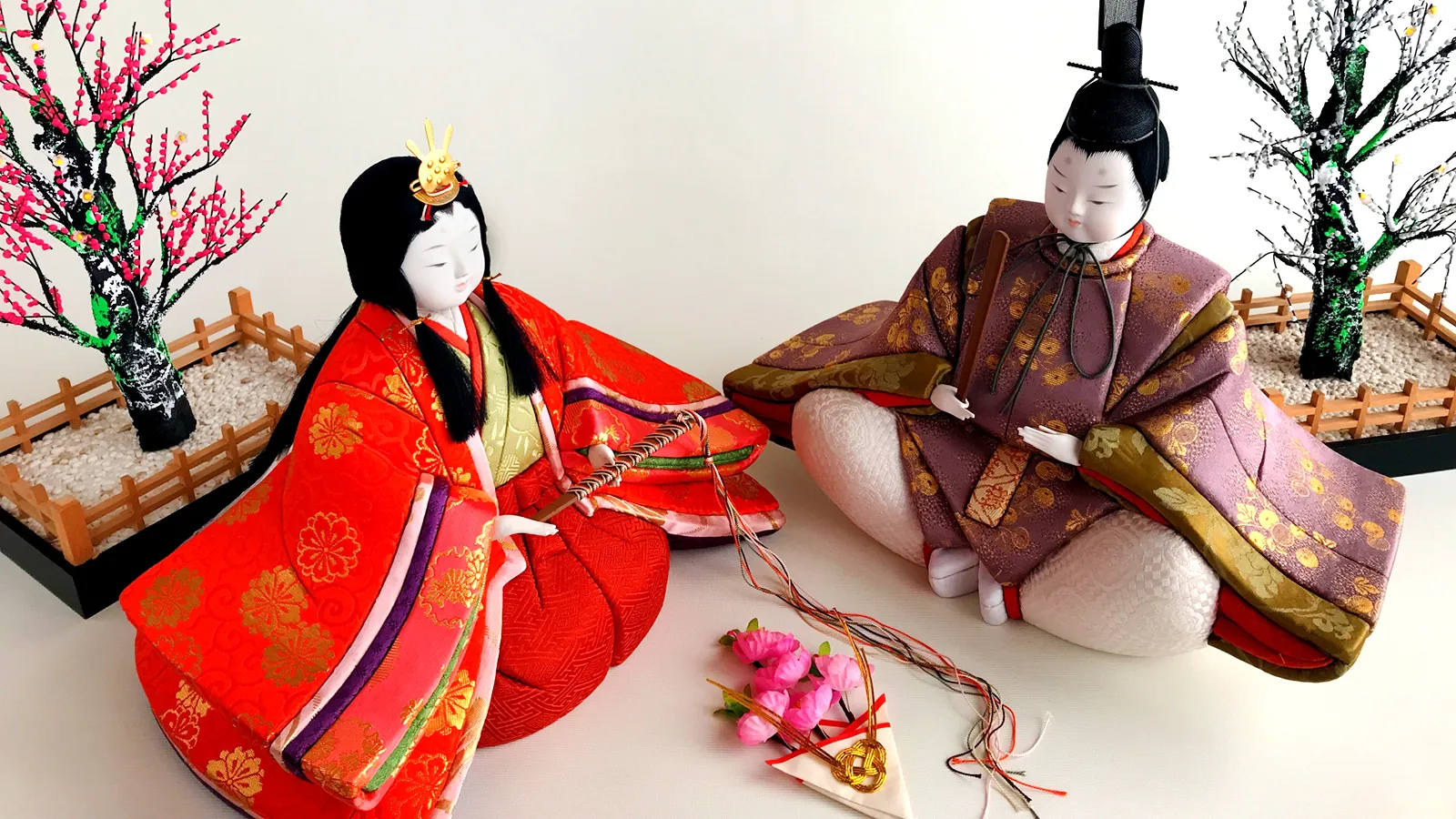
Gaining attention as interior gifts with Japanese character are small items using the kimekomi technique from iwatsuki-dolls. Originally a technique used in doll-making, it has recently been developed into zodiac decorations and small figurines suited to contemporary living spaces.
The fabric tucking characteristic of kimekomi combines softness with precision, subtly creating a Japanese atmosphere. Not taking up as much space as large dolls and changeable with the seasons, these qualities add to their appeal as gifts.
They’re also chosen as gifts for international visitors and those interested in Japanese culture.

8th Place: Echizen-washi Stationery & Card Sets | Lightweight, Easy-to-Give Crafts

Highly popular as casually given crafts are stationery and card sets using echizen-washi. The soft touch characteristic of Japanese paper and the fiber expressions that cannot be replicated through printing provide quiet satisfaction to users.
Letter paper, envelopes, and message cards are highly practical and easy to give regardless of age or gender. They’re also lightweight and break-resistant, making them suitable for mailing or carrying.
Not overly expensive and easy to recommend as an entry point to crafts, these are ideal for situations where you want to “subtly convey Japanese craftsmanship.”

9th Place: Bamboo crafts Flower Vases & Small Baskets | Suited to Natural-Oriented Lifestyles
Suited to those who want to enjoy natural material textures are flower vases and small baskets made with Bamboo crafts. Bamboo is a lightweight, durable material that settles in color with use and naturally blends into daily life.
Flower vases look elegant even with a single stem of seasonal flowers, while small baskets serve practical purposes in living rooms and entryways. Their unassuming presence pairs well with natural or simple interiors, and they’re easy to give regardless of age or gender. These are recommended when selecting crafts that quietly assert presence in daily life.

10th Place: Kyo-yuzen & Katazome Coin Purses & Fabric Accessories | Colorful Gifts Selected by Pattern
Chosen as gifts emphasizing vibrancy are coin purses and fabric accessories utilizing Kyo-yuzen and katazome techniques. With abundant variety from traditional patterns to contemporary color schemes, they’re characterized by easy selection matching recipient preferences.
Coin purses and pouches are highly practical items used daily. While employing traditional Japanese techniques, they pair easily with Western clothing and bags, valued for their casual usability. With a wide price range, these crafts are easy to incorporate as gifts for small anniversaries or expressions of thanks.
Craft Gift Rankings by Purpose
For craft gifts, clarifying not only your relationship with the recipient but also “for what purpose you’re giving” greatly improves selection accuracy. The appropriate craft direction differs between gifts assuming long-term use like wedding or housewarming presents, occasions emphasizing emotional value like birthdays or anniversaries, and gifts for superiors requiring formality.
Here we organize craft selection approaches that are commonly chosen and unlikely to offend for three representative purposes. Adopting purpose-appropriate perspectives makes crafts more practical and memorable gifts.
Crafts Suited for Wedding & Housewarming Celebrations
For wedding and housewarming celebrations, since long-term use is assumed, “whether it naturally fits into daily life” becomes the most important criterion. Vessels, trays, teapots, and flower vases that couples or families can share have clear usage scenarios and are easy to incorporate, making them suitable for these purposes.
Selecting designs without overly strong individuality makes them less susceptible to differences in living spaces and preferences. Consideration of fragility, weight, and maintenance difficulty is also important.
Wedding and housewarming gifts are not “one-time presents” but become repeatedly used in daily life, so crafts combining practicality and durability ultimately bring the most joy.
Craft Gifts Often Selected for Birthdays & Anniversaries
For birthday and anniversary gifts, “specialness” and “memorability” take priority over everyday utility. Therefore, crafts people wouldn’t normally choose themselves or visually memorable items are suitable.
Edokiriko glasses, textile accessories with distinctive colors and patterns, and one-of-a-kind pieces with artistic character are crafts compatible with this purpose. Even if not used frequently, their value lies in recalling the gift-giving moment with each use.
When you have some understanding of the recipient’s preferences, making slightly bolder choices helps them feel “this was selected specifically for me.”
Crafts That Won’t Offend Superiors & Elderly Recipients
When giving crafts to superiors or elderly people, prioritizing “refinement” and “reliability” over novelty or trendiness is important. Avoid items with unclear purposes or requiring careful handling, favoring classic products from traditional regions and practical items with calm designs.
Teacups, teapots, trays, and chopsticks have intuitive uses, creating no burden for either giver or recipient. Not being too heavy and requiring minimal maintenance are also important considerations. While excessive formality consciousness is unnecessary, selecting crafts that convey an impression of “carefully chosen quality items” leads to respectful gift-giving.
Selection Methods for Craft Gifts by Recipient Type
While craft gifts are attractive, choosing incorrectly based on relationship and interest level can result in “quality items that go unused.” What matters is imagining not only the craft’s value but also the recipient’s knowledge level, lifestyle, and cultural background.
Here we organize appropriate selection perspectives for three recipient types: craft enthusiasts, beginners, and international recipients. Simply shifting awareness slightly can greatly enhance gift satisfaction.
Considerations When Giving to Craft Enthusiasts & Collectors
When giving to craft-knowledgeable people or collectors, being conscious of “context” rather than “safety” is important. Since they likely already own many crafts, selecting famous regional classics may often duplicate existing possessions.
Therefore, works by emerging artists, slightly unconventional items, or pieces conveying thought and background despite small size tend to be appreciated. Additionally, selecting items without overly limited purposes allows natural positioning within their collection.
Adding a brief note about “why you selected this” beyond the work itself deepens the gift’s value.
Approach When Giving to Those Unfamiliar with Crafts
For people not particularly familiar with crafts, prioritizing “ease of use” and “clarity” first is recommended. Whether they can naturally use it in daily life matters more than technique depth or historical significance.
Teacups, small plates, chopsticks, and fabric accessories with intuitively understandable purposes have low failure rates and serve as good introductions to crafts. Even lacquerware or ceramics that may seem difficult to handle are reassuring when selected in specifications adapted to modern life.
Valuing the sense of “special yet usable without pressure” naturally conveys craft goodness.
Selection Points for International Recipients & Inbound Gifts

For international recipients and inbound-oriented gifts, balancing “Japanese character” with “portability” is important. Rather than excessively expensive and large items, lightweight, break-resistant, or easily packaged crafts tend to be selected.
Japanese paper products, fabric accessories, chopsticks, and coin purses excel in this regard. Clear usage understanding is also important, with items whose purpose can be imagined without explanation being preferred.
Being able to briefly convey traditional pattern and material backgrounds deepens understanding of Japanese culture, creating gifts with value beyond mere souvenirs.
Checklist for Avoiding Craft Gift Failures
While crafts make attractive gifts, poor selection can result in “quality items that go unused” or “difficult to find storage space.” To avoid failure, imagining usage patterns and ease of handling beyond just appearance and price is important.
Here we organize points to confirm beforehand when selecting craft gifts from three perspectives. Simply being conscious of this checklist greatly enhances gift satisfaction.
Determining Whether “Practical” or “Decorative”
First confirm whether the craft is practical or decorative. Items with clear purposes like vessels, chopsticks, and fabric accessories are easy to incorporate into daily life with less burden on recipients.
Conversely, objects or highly decorative works may go unused if display space or preferences don’t match. It’s not about which is better or worse, but whether it fits the recipient’s lifestyle and living environment.
When uncertain, considering “can it be used” as a criterion reduces failure risk. When selecting decorative items, choosing those with modest size and presence makes them easier for recipients to incorporate.
Confirming Size, Weight & Storage in Advance
Often overlooked in craft gifts are size, weight, and storage ease. Ceramics and metal products in particular can be heavier than they appear, creating carrying and storage burdens.
When giving to international recipients or those living far away, lightness and break-resistance are also important factors. Confirming where items can be stored when not in use and whether dedicated boxes exist provides reassurance.
Crafts that aren’t too large and don’t demand specific storage locations ultimately see higher usage frequency. The giver imagining one step ahead naturally conveys consideration for the recipient.
Understanding Differences Between Artist Works & Production Items
Crafts include “artist works” created individually by artisans and “production items” made in certain quantities by workshops or regions. Artist works offer uniqueness and one-of-a-kind value but tend toward higher prices and stronger individuality.
Conversely, production items have stable quality and often suit gifts in terms of ease of handling and price. Which is appropriate differs based on relationship with the recipient and occasion.
Using artist works for special anniversaries and production items for casual gifts reduces failure likelihood. Selecting with understanding of differences leads to convincing craft gifts.
Conclusion
Craft gifts convey their value more deeply when selected not only for visual beauty but also matching recipient knowledge level, lifestyle, and giving occasion. The crafts introduced in the ranking all excel in balancing practicality with cultural background, making them easy choices even for first-time craft gifters.
Additionally, being conscious of purpose-specific and recipient-specific perspectives and checklists prevents failures like “quality items that go unused.” Crafts are gifts whose value grows through continued use. By delivering not just form but also the background craftsmanship and time, they become memorable gifts.


![[Shizuoka Fujieda / Limited to First 15 Participants] Gold Leaf Application Experience (Hisashi Itsuaki) × Calligraphy Workshop (Syujidokoro Kohyou) | A Collaborative Workshop Between a Traditional Craftsman and a Young Calligrapher](https://en.kogei-japonica.com/media/wp-content/uploads/2025/12/traditional-workshop-1221_top1-450x253.webp "[Shizuoka Fujieda / Limited to First 15 Participants] Gold Leaf Application Experience (Hisashi Itsuaki) × Calligraphy Workshop (Syujidokoro Kohyou) | A Collaborative Workshop Between a Traditional Craftsman and a Young Calligrapher")