

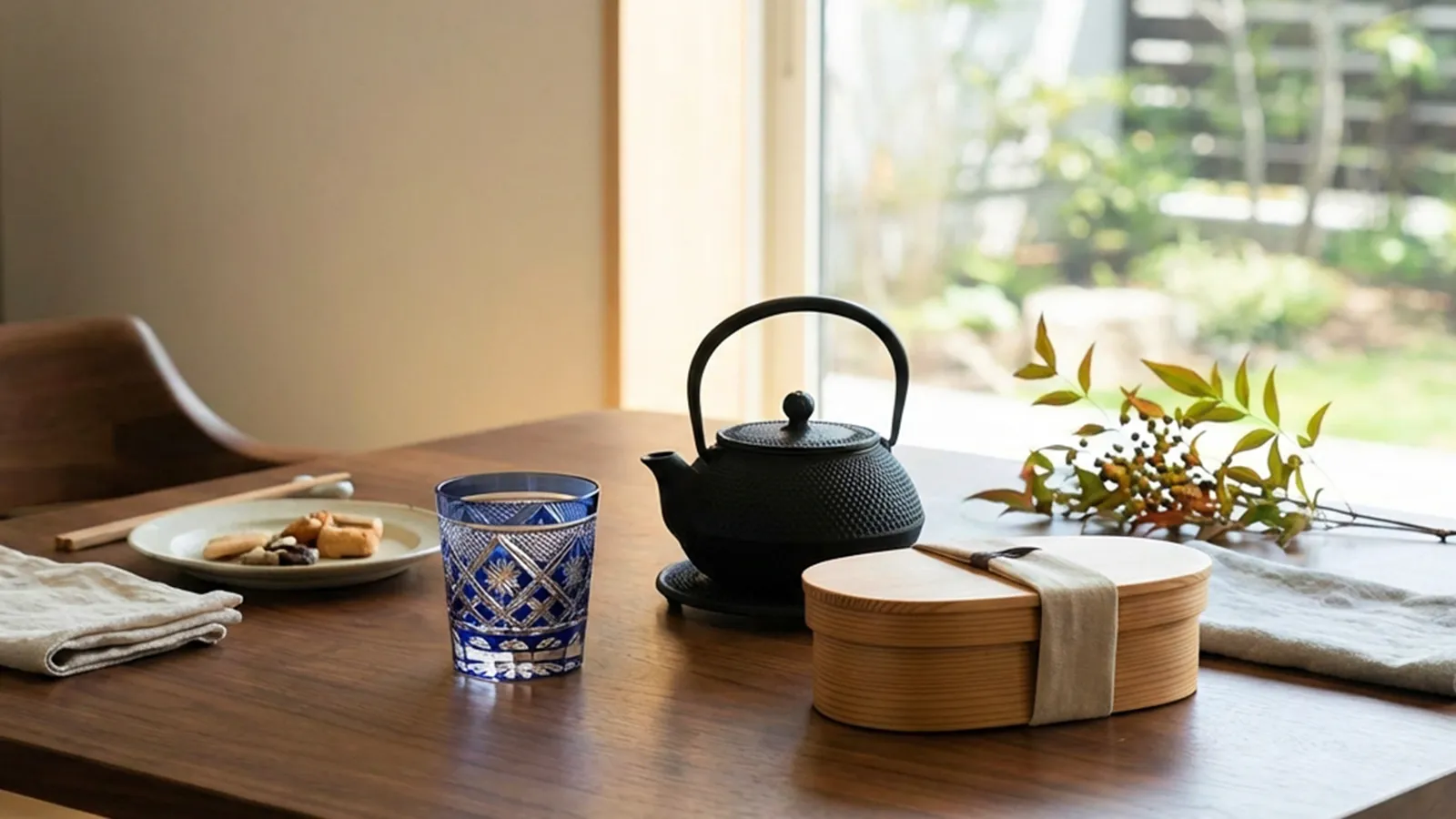
When selecting the perfect gift for international business partners or overseas friends, traditional Japanese crafts offer an unparalleled blend of heritage, philosophy, and aesthetic refinement. In 2026, the global demand for “Quiet Luxury” has shifted the spotlight toward items that embody Yo-no-Bi (the Beauty of Use)—crafts that are not merely decorative, but highly functional and sustainable. From the intricate geometric patterns of Edo Kiriko cut glass to the profound durability of Nanbu Tekki ironware, the best traditional Japanese crafts for gifts carry centuries of meticulous artisanship. This curated top 10 ranking highlights authentic Japanese gifts for foreigners that transcend cultural barriers. By understanding the cultural significance and practical utility behind each masterpiece, you can choose a meaningful, culturally rich gift that perfectly aligns with modern international lifestyles and leaves a lasting impression on any global VIP.
Whether you are sourcing Japanese corporate gift ideas for a high-profile executive or searching for an authentic keepsake for a design-savvy friend abroad, navigating the world of traditional Japanese crafts can feel overwhelming. Which pieces truly resonate with an international audience? Which combine timeless beauty with everyday practicality? The answers lie in three defining principles.
- The 2026 Craft Trend: Contemporary traditional Japanese crafts are experiencing a renaissance—moving away from purely decorative “museum pieces” back toward their original purpose as objects of daily use. Driven by Gen Z collectors and global tastemakers, the philosophy of Yo-no-Bi (Beauty of Use) celebrates craftsmanship that enriches everyday life and endures for generations.
- Inbound Tourism & Gift Demand: Among authentic Japanese gifts for foreigners, Edo Kiriko cut glass stands out for its portability and visual impact, while colorful Nanbu Tekki teapots have become iconic quiet luxury Japanese items in European and North American lifestyle markets—both celebrated as symbols of refined, logo-free luxury.
- Our Ranking Criteria: This Japanese traditional crafts ranking focuses exclusively on items designated as traditional crafts by Japan’s Ministry of Economy, Trade and Industry (METI) that also demonstrate modern design sensibility and high functional value for international recipients.
Explore the world’s most coveted Beauty of Use Japanese crafts—where tradition meets the contemporary global aesthetic.
Table of Contents
Why the World Is Falling for Japanese Craftsmanship in 2026: The Rise of Yo-no-Bi
Before unveiling the ranking, it is worth understanding the cultural shift driving global appreciation for traditional Japanese crafts today. Objects that were once considered precious collectibles to be displayed behind glass are now being rediscovered for their original, deeply Japanese purpose: to be used, appreciated, and even repaired over a lifetime. This philosophy—Yo-no-Bi, or the Beauty of Use—is at the heart of the current renaissance in Japanese craft worldwide.
Quiet Luxury and the Perfect Match with Japanese Craftsmanship
One of the defining cultural currents of our era is Quiet Luxury—a values-driven aesthetic that rejects ostentatious logos and fast fashion in favor of understated excellence. Discerning consumers worldwide are increasingly drawn to the density of hand-craftsmanship, the story behind natural materials, and the rational elegance of objects designed to be repaired and kept for decades rather than discarded.
Traditional Japanese crafts are a natural fit for this worldview. Rooted in natural materials and guided by a philosophy of mindful, long-term use, they represent the antithesis of disposable culture—making them among the most compelling quiet luxury Japanese items available anywhere in the world today.
From Souvenir to “Portable Art”: How Inbound Visitors Are Redefining the Japanese Gift
Observing visitor trends at destinations such as Aoyama Square—the official gallery affiliated with Japan’s Traditional Craft Industries Promotion Association and overseen by METI—a clear pattern emerges. International guests are no longer satisfied with conventional souvenirs. They are actively seeking authentic Japanese gifts for foreigners: objects of genuine craft quality they can bring home, integrate into their living spaces, and actually use every day. The best traditional Japanese crafts for gifts are, in essence, portable art with a functional soul.
Japanese Traditional Crafts Ranking 2026: TOP 10 to TOP 6
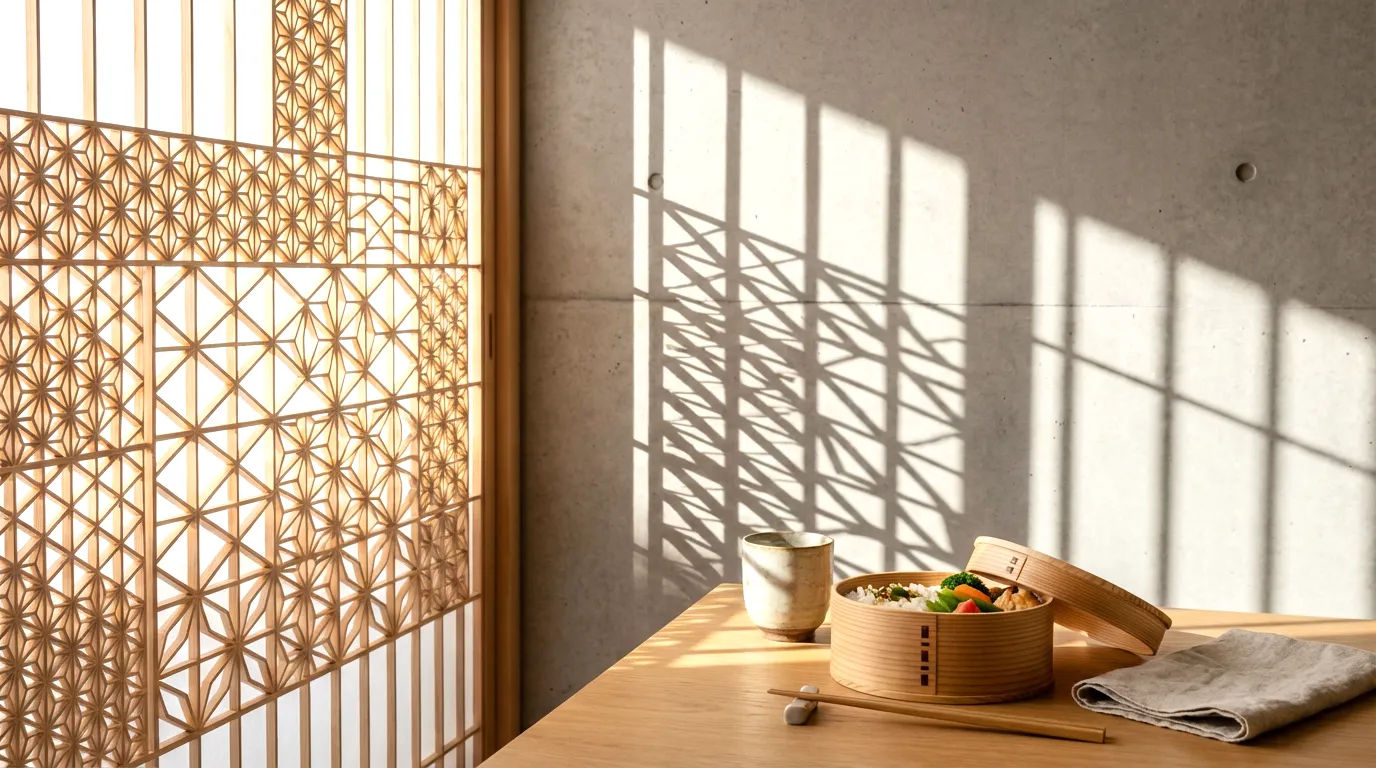
The following Japanese traditional crafts ranking evaluates each craft through the lens of gifting practicality for an international audience—considering clarity of use, portability, functional value, and ease of storytelling. This is an editorial selection, not a sales data ranking.
Positions 10 to 6: Timeless Pieces That Elevate Everyday Life
10th Place: Bizen-yaki & Shigaraki-yaki (備前焼・信楽焼) — Unglazed Stoneware Born from Fire
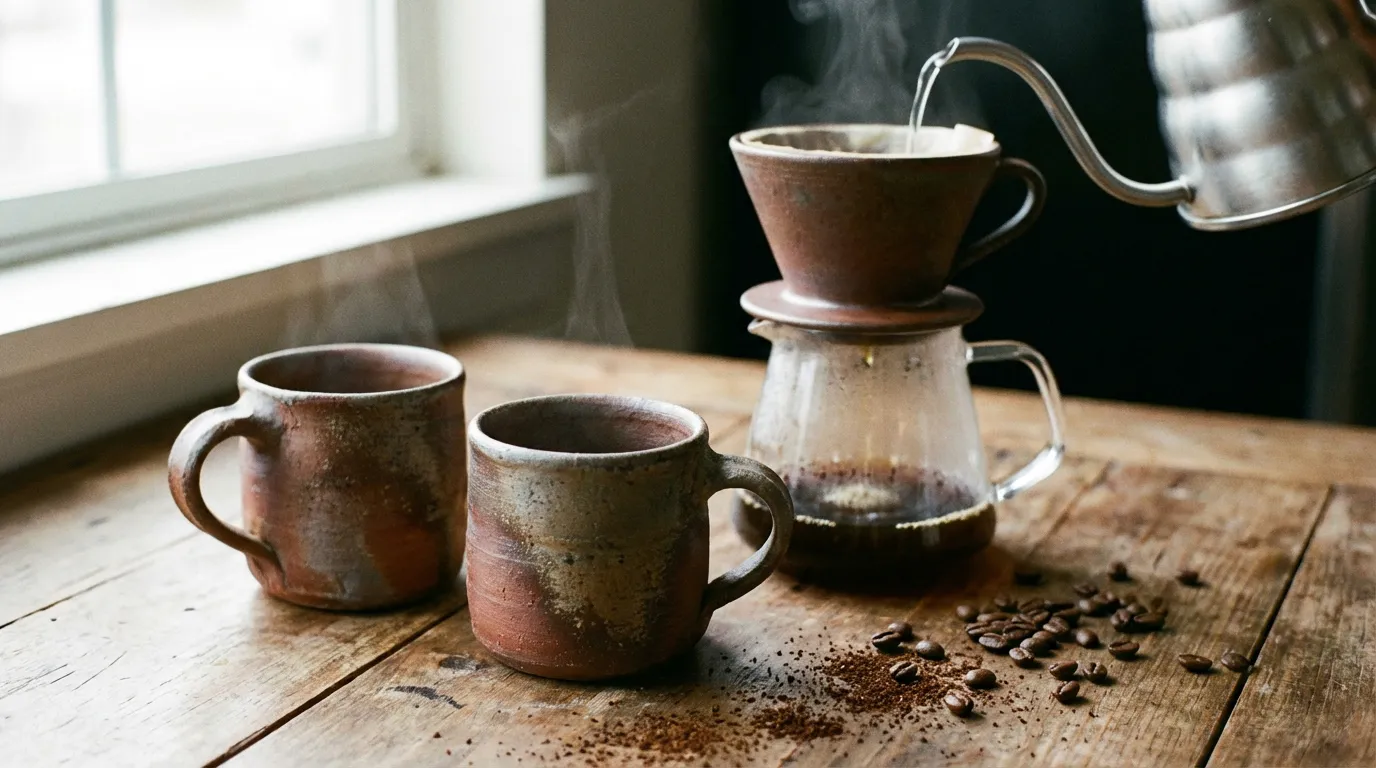
Bizen-yaki (from Okayama Prefecture) and Shigaraki-yaki (from Shiga Prefecture) are two of Japan’s oldest and most revered unglazed ceramics. Fired without glaze, their distinctive surface textures and earthy tones emerge purely from the interaction of clay, ash, and flame—a process that makes every piece genuinely one-of-a-kind. The tactile, organic character of these stoneware pieces has attracted enthusiasts in the specialty coffee and craft beer communities worldwide, with some enthusiasts noting that the porous surface can subtly influence the drinking experience. As authentic Japanese gifts for foreigners with an appreciation for wabi-sabi aesthetics, they offer an honest, grounded beauty that no factory can replicate.


9th Place: Hakone Yosegi Zaiku (箱根寄木細工) — The Art of Geometric Wood Mosaic
Originating in the mountain resort town of Hakone, Yosegi Zaiku (literally “gathered wood craft”) is a marquetry tradition that assembles dozens of different wood species—each valued for its natural color—into breathtakingly precise geometric patterns. The craft requires no dyes or stains; all color is inherent to the wood itself. Contemporary applications range from business card holders and jewelry boxes to coasters and decorative panels, making Yosegi Zaiku one of the most intuitive Japanese corporate gift ideas available: sophisticated enough for the boardroom, universally admired for its mathematical elegance.

8th Place: Kumano Fude (熊野筆) — The World’s Finest Handcrafted Makeup Brushes
Produced in Kumano Town, Hiroshima Prefecture, Kumano Fude brushes account for the overwhelming majority of Japan’s domestic brush production and have become a globally recognized luxury beauty product. What sets them apart is an entirely hand-assembled manufacturing process in which individual hairs are never cut—ensuring that the naturally tapered tip of each fiber remains intact for an unparalleled, feather-soft application. Celebrated in professional makeup artistry circles internationally, Kumano brushes are a compelling choice for the beauty-conscious recipient who values Japanese precision craftsmanship and enduring quality over disposable alternatives.
7th Place: Echizen Washi & Mino Washi (越前和紙・美濃和紙) — Handmade Paper as Living Art
Washi—Japanese handmade paper—is one of the world’s most extraordinary fiber arts, and its translucent, light-diffusing quality has found admirers far beyond Japan in the fields of interior design, fine art, bookbinding, and luxury packaging. Notably, the UNESCO Intangible Cultural Heritage inscription covers three specific papermaking traditions: Sekishu-banshi (石州半紙, from Shimane), Hon-minoshi (本美濃紙, from Gifu), and Hosokawa-shi (細川紙, from Saitama)—a distinction worth noting for international recipients who appreciate the depth of craft heritage behind their gift.

6th Place: Kutani-yaki (九谷焼) — Japan’s Most Boldly Beautiful Porcelain
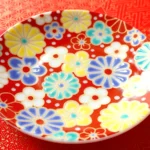
Produced in Ishikawa Prefecture, Kutani-yaki is defined by its fearlessly vivid overglaze enamels—deep reds, forest greens, cobalt blues, and luminous yellows applied in bold, painterly compositions that have no equivalent in the ceramics world. Known internationally as “Japan Kutani,” the tradition spans nearly 400 years and has recently undergone a creative revival, with younger studios producing contemporary forms and patterns that resonate powerfully with design-forward consumers globally. For the gift recipient who wants a statement piece for their table, Kutani represents the apex of decorative Japanese ceramics.
Japanese Traditional Crafts Ranking 2026: TOP 5 to TOP 1
The top five positions in this ranking are held by crafts that share a critical advantage as gifts: their purpose is immediately self-evident. No lengthy explanation is needed. Their beauty communicates instantly, and their utility integrates seamlessly into daily life anywhere in the world—qualities that define the very best traditional Japanese crafts for gifts.
Positions 5 to 1: The Pinnacle of Functional Beauty
5th Place: Wajima-nuri (輪島塗) — Japan’s Most Durable and Storied Lacquerware
Wajima-nuri, produced in Wajima City on the Noto Peninsula, represents the absolute pinnacle of Japanese lacquerware—known locally as urushi. What distinguishes Wajima pieces from all other lacquer traditions is an extraordinarily rigorous foundation process using a local powdered diatomaceous earth (called jinoko) that creates a base of unrivaled strength and adhesion, enabling the deep, lustrous surface to withstand generations of daily use. Beyond its visual splendor, Wajima-nuri embodies a profound cultural philosophy: urushi objects are designed to be professionally repaired and restored, meaning a single bowl or tray can be passed down as a family heirloom across centuries. For the discerning recipient who appreciates both luxury and longevity, Wajima-nuri is an incomparable gift.

4th Place: Nishijin-ori (西陣織) — The Textile Art That Conquered the World’s Luxury Brands
Woven in the historic Nishijin district of Kyoto for over a thousand years, Nishijin-ori is a pre-dyed figured textile of staggering technical complexity—created on Jacquard-style looms capable of rendering intricate pictorial and geometric patterns with silk threads finer than human hair. While its traditional home is the formal kimono, Nishijin-ori has evolved dramatically for the global stage: its fabric has been incorporated into collections by world-renowned luxury fashion houses, and its material has been specified for exclusive interior applications in high-end hospitality. As a gift, Nishijin textile accessories—scarves, ties, obi-derived cushions—offer an entry point into one of Japan’s most technically demanding and internationally respected craft traditions.

3rd Place: Edo Kiriko (江戸切子) — The Cut Glass Masterpiece of Tokyo’s Artisan Heritage
Edo Kiriko cut glass is, for many international admirers, the definitive introduction to the world of traditional Japanese crafts. Developed in the Edo period (present-day Tokyo), this craft involves hand-cutting deeply faceted geometric patterns—traditional motifs such as hemp leaf, chrysanthemum, and interlocking squares—into layers of colored glass applied over clear glass, creating a kaleidoscopic play of light and shadow that is breathtaking in person. What makes Edo Kiriko one of the best traditional Japanese crafts for gifts is its seamless integration into global lifestyles: an Edo Kiriko whisky glass, rocks glass, or sake cup requires no cultural context to be appreciated and used every day. Its combination of unmistakably Japanese aesthetics with universal function has made it arguably the most sought-after authentic Japanese gift for foreigners worldwide.

2nd Place: Arita-yaki / Imari Porcelain (有田焼・伊万里焼) — Four Centuries of Japanese Porcelain Excellence
Arita-yaki—also known internationally as Imari Porcelain, after the port through which it was historically exported—is Japan’s original fine porcelain, with a continuous production history of over 400 years from the kilns of Saga Prefecture. It was among the first Asian porcelain to captivate European royalty in the 17th century, influencing Meissen and Delft pottery and establishing a global standard for white, translucent, hard-paste porcelain that endures to this day. The contemporary Arita scene is remarkable for its breadth: from exquisitely hand-painted traditional blue-and-white pieces to collaborations with internationally acclaimed designers producing minimalist, architectural tableware. This stylistic versatility, combined with exceptional technical quality—extreme thinness, resonant hardness, dishwasher-safe durability—makes Arita-yaki one of the most reliable and universally admired Japanese corporate gift ideas available.

1st Place: Nanbu Tekki (南部鉄器) — The World’s Most Iconic Japanese Iron Craft
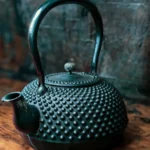
At the top of our Japanese traditional crafts ranking stands Nanbu Tekki—the iron casting tradition of Iwate Prefecture in northern Japan, practiced without interruption for over 400 years. Nanbu Tekki ironware is globally recognized for a combination of qualities that no other craft quite replicates: an almost monolithic physical presence and heft that communicates permanence and quality the moment you hold it; a heat retention capacity that keeps tea and other beverages at optimal temperature far longer than ceramic or glass alternatives; and an interior coating that, in traditional tetsubin kettles, is said to release trace iron into water and soften its mineral character. In recent years, the traditional matte-black aesthetic has been joined by a range of brilliantly colored enamel-coated teapots that have achieved remarkable commercial success in Europe and North America—introducing Nanbu Tekki ironware to a new generation of tea enthusiasts as a centerpiece of the global tea renaissance. Nanbu Tekki is the quintessential quiet luxury Japanese item: visually restrained, deeply purposeful, and built to outlast its owner. For any recipient who appreciates things made to last, it is without question the finest traditional Japanese craft gift you can offer.
How to Choose the Perfect Japanese Craft Gift for International VIPs and Corporate Clients
Even the finest craft from this Japanese traditional crafts ranking can fall flat if it does not align with the recipient’s lifestyle. For professionals selecting gifts for overseas business partners or international VIPs, a thoughtful selection process is essential. The following principles will help ensure your gift makes the intended impression.
Match Utility to the Recipient’s Lifestyle
The single most important criterion is functional fit: choose something the recipient will genuinely use. A Nanbu Tekki teapot is ideal for someone with a tea or wellness ritual; a Bizen-yaki ceramic mug speaks naturally to a devoted specialty coffee drinker; a Hakone Yosegi Zaiku business card holder or desk accessory suits a professional who values refined, logo-free quality in their workspace.
Equally important is the story you tell alongside the gift. A brief, well-crafted explanation of the craft’s origin, materials (for example: urushi lacquer, washi fiber, iron casting), and philosophy transforms a beautiful object into a meaningful cultural experience—and elevates the perceived value of the gift exponentially. Most recipients of authentic Japanese corporate gift ideas will remember the story long after they have forgotten the price.
Practical Considerations: Portability, Fragility, and Export Regulations
When selecting gifts intended for international transport—whether hand-carried in luggage or shipped overseas—always consider size, weight, and fragility. Check whether the item comes packaged in a protective kiri (paulownia wood) box or equivalent, as these traditional wooden boxes significantly reduce breakage risk and add to the gift’s ceremonial presentation.
Additionally, certain natural materials used in traditional Japanese crafts—including untreated wood, bamboo, natural fibers, or seeds—may be subject to strict biosecurity and customs regulations in certain countries. For professional gifting scenarios, always verify the import restrictions of the recipient’s country and ensure the gift is accompanied by clear material labeling (including the material name and country of origin). This level of diligence reflects both respect for the recipient and the professionalism expected in high-stakes international relationships.
Bring Tradition Into Daily Life: Your Invitation to a Richer, Craft-Centered World
The best traditional Japanese crafts for gifts are not relics of a distant past. They are living traditions—continuously refined by master artisans who have devoted their lives to the pursuit of functional perfection. Each piece represents a convergence of natural material intelligence, accumulated generational knowledge, and an aesthetic philosophy that the contemporary world is only beginning to fully appreciate.
Whether you select Nanbu Tekki ironware for a tea-loving executive, an Edo Kiriko cut glass tumbler for a whisky connoisseur, or a Nishijin-ori textile accessory for a luxury fashion devotee, you are offering something genuinely irreplaceable: an object that will grow more beautiful with use, that carries centuries of human ingenuity in its form, and that speaks across cultural boundaries with quiet, undeniable authority.
Use this guide to find the authentic Japanese gift for foreigners that perfectly matches your recipient—and consider, too, incorporating a piece of Beauty of Use Japanese craft into your own daily life. There is no better way to understand and articulate the magic of Yo-no-Bi than to experience it firsthand, every single day.
