

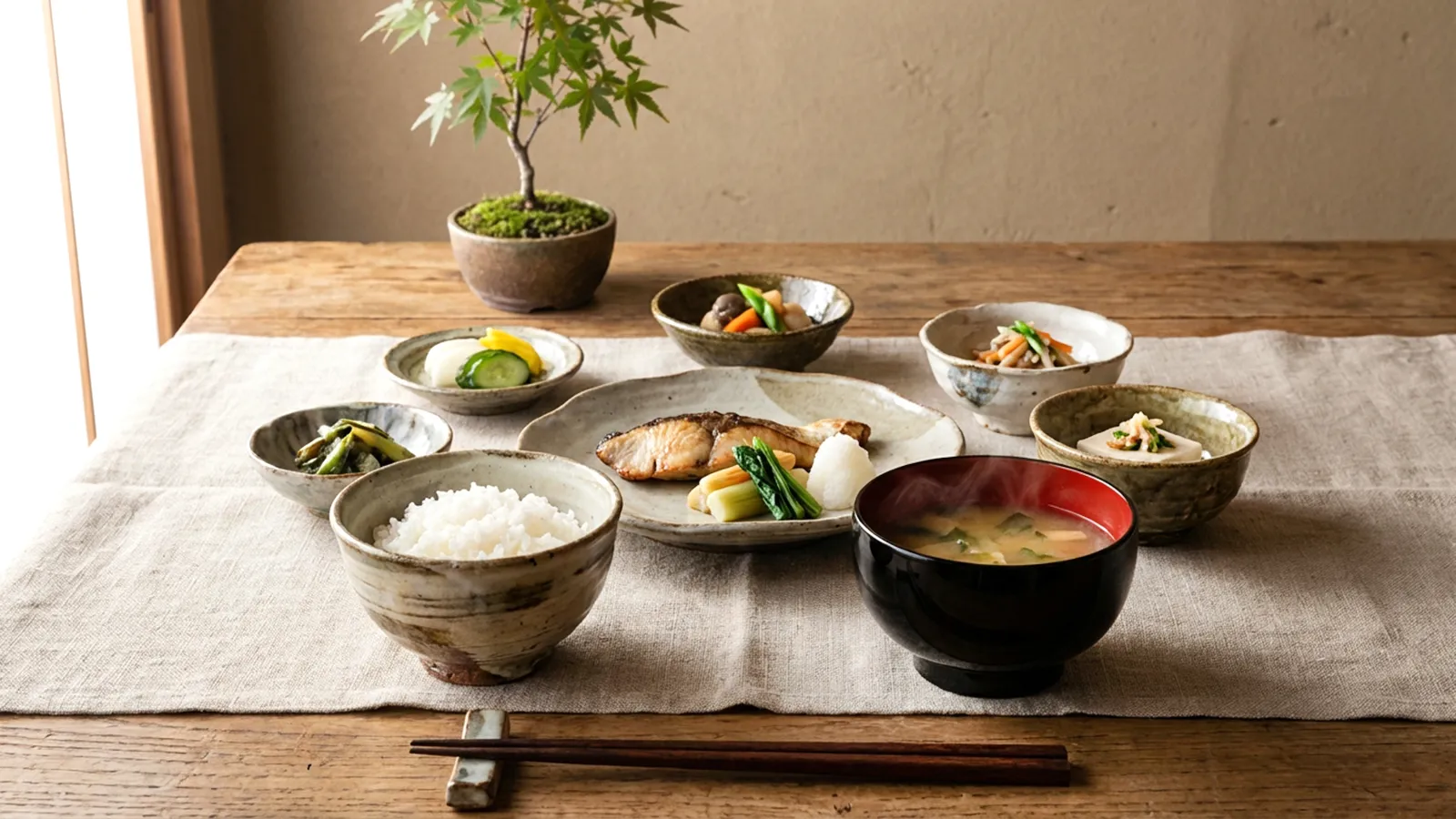
Artisan-made Japanese tableware has the ability to bring a sense of richness to daily life simply by serving as a vessel for your everyday meals.
However, for international designers and new readers drawn to Japanese aesthetics and the value of handcraft, selecting that first piece can feel somewhat intimidating.
In this article, drawing on Kogei Japonica’s specialized knowledge and factual research, we explain the key points for choosing vessels that fit naturally into your lifestyle.
- Rather than focusing first on the artisan’s name or fame, selecting tableware based on its intended use and material (earthenware or porcelain) is an approach that helps you find the right fit for your daily routine.
- For beginners and international users looking to build their first collection, versatile and frequently used vessels such as soba choko (multipurpose cups), 15-to-18cm flat plates, or daily staples like artisan rice bowls are excellent starting points.
- A vital perspective when discussing Japanese ceramics lies in the spirit of Mingei (the beauty of everyday craft) advocated by Soetsu Yanagi, which emphasizes appreciating the individual variations of handcraft and the natural patina that develops through continued use.
Table of Contents
[Conclusion] “Use” Rather Than “Display”: How to Choose Japanese Tableware
When people hear the phrase “artisan-made Japanese tableware,” they may picture something to be carefully displayed like a piece of fine art.
However, an indispensable concept when discussing Japanese ceramics is the philosophy of Mingei (the beauty of everyday craft), where objects gain their true brilliance by being used.
The philosopher who championed this idea, Soetsu Yanagi, argued that the true beauty of everyday tools is found precisely within the utilitarian items made by anonymous craftsmen, leading him to establish The Japan Folk Crafts Museum.
In short, the most important perspective when selecting artisan tableware is whether it can be put to practical, daily use.
The Japan Folk Crafts Museum
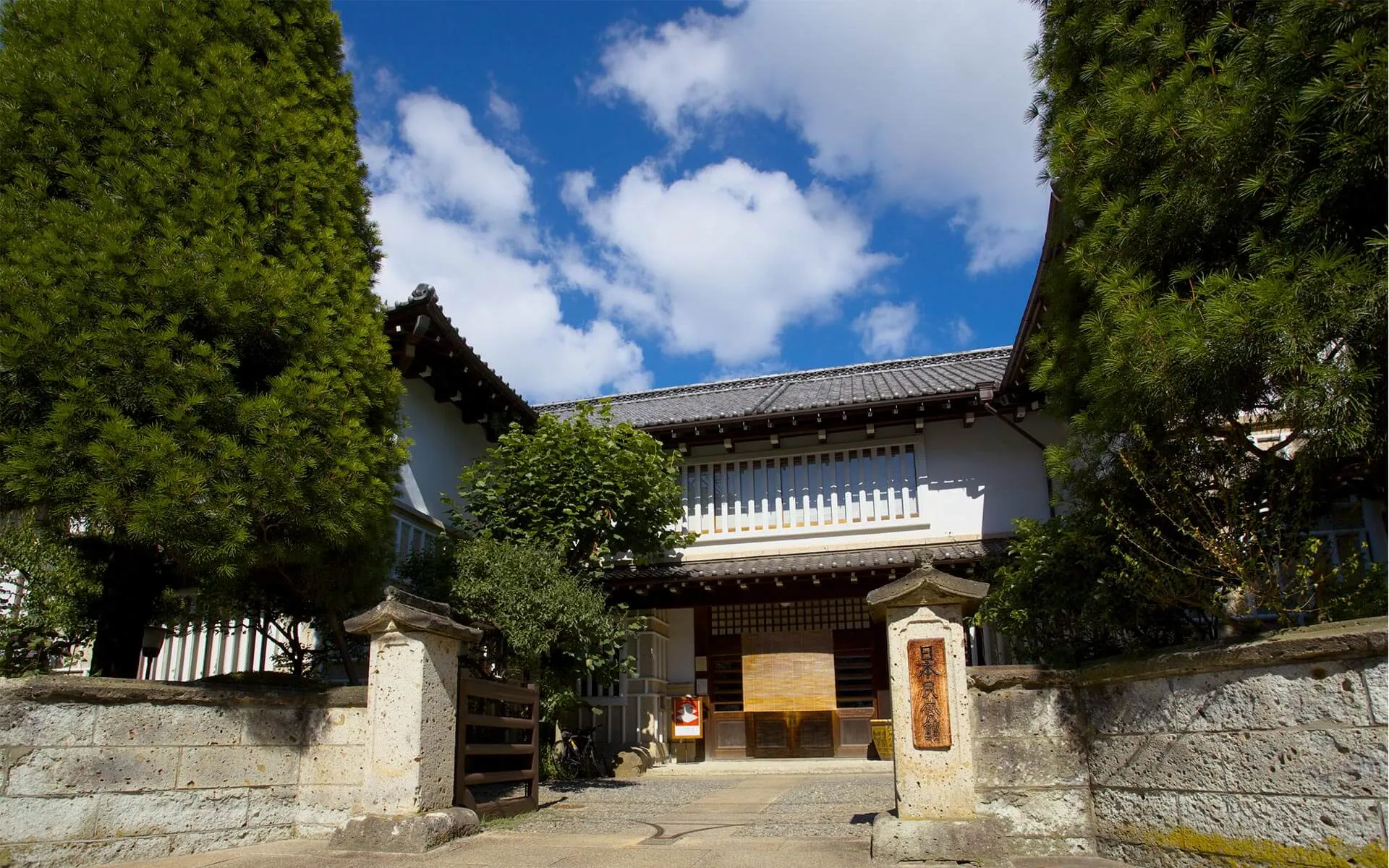
- Hours: 10:00 – 17:00
- Open Days: Closed on Mondays (open if Monday is a public holiday, and closed the following day), during exhibition changeovers, and during the New Year holidays.
- Admission: Adults 1,500 yen, University and High School Students 800 yen, Junior High School Students and younger free
- Address: 4-3-33 Komaba, Meguro-ku, Tokyo 153-0041
- Access: 7-minute walk from the West Exit of Komaba-todaimae Station on the Keio Inokashira Line; 15-minute walk from the East Exit of Higashi-kitazawa Station on the Odakyu Line
- Official Website: The Japan Folk Crafts Museum Official
The First Things to Consider: Purpose, Size, and Washability
Rather than deciding solely based on a favored artisan’s name or the price point, try to imagine specific scenarios—such as whether you will use the piece to serve bread at breakfast or as a side plate for dinner. For international readers, reframing Japanese tableware as practical tools rather than mere art pieces will foster a deeper understanding of the ethos behind the handcraft.
Once the purpose is determined, the necessary size and shape naturally become clear. Confirming its functionality as a tool—such as its weight in the hand and whether its shape makes it easy to wash—is the first step toward finding a vessel you can enjoy for years.
Essential Knowledge: Tsuchimono (Earthenware) and Ishimono (Porcelain)
A common stumbling block for beginners when choosing Japanese tableware is understanding the differences in materials.
The Association for the Promotion of Traditional Craft Industries introduces a wide variety of crafts across the country. While ceramics vary greatly depending on raw materials and techniques, Japanese tableware is broadly divided into two main categories: tsuchimono (earthenware) and ishimono (porcelain).
Understanding these differences will help you determine which material is better suited to your lifestyle.
Tsuchimono (Earthenware): Earthy Warmth and Patina
Tsuchimono is made primarily from a type of clay known as todo. It is characterized by its substantial thickness and the earthy warmth of clay that you can feel in your hands. Because it is fired at lower temperatures, it contains countless invisible pores and absorbs water.
As a result, some pieces may require medome—a sealing process involving boiling the vessel in the starchy water left over from washing rice—before the first use.
The appeal of tsuchimono lies in its ability to develop a patina over time, a quality often described in Japanese as keshiki (scenery). As moisture from tea or food subtly settles into the material, the vessel’s color and surface character evolve with use.
Ishimono (Porcelain): Highly Durable for Everyday Use
On the other hand, ishimono is primarily made from crushed stone powder known as toseki. Fired at high temperatures, it becomes glass-like, producing a clear, high-pitched ring when tapped. Compared to earthenware, the body is harder, can be crafted much thinner, and features a smooth surface.
Since it has almost no water absorbency, it resists color transfer and tends to be highly practical for daily use.
While many porcelain pieces are microwave- and dishwasher-safe, artisan works featuring overglaze enamels, gold or silver accents, or extremely thin profiles are often not compatible with these appliances. Always prioritize the product labeling or the artisan’s care instructions.
For Beginners & International Readers: Versatile Starter Pieces
For those unsure of exactly what to buy, we introduce three highly versatile vessels that complement both Japanese and Western cuisine, making them excellent choices for a first purchase.
The Ultimate Multipurpose Cup: Soba Choko
Among Japanese tableware, the soba choko stands out for its adaptability. Originally designed to hold dipping sauce for soba noodles, its ideal size makes it widely useful as a small bowl for blanched greens or a post-meal dessert cup.
Because it lacks a handle, it takes up little storage space. For international readers, it is an easy item to incorporate into daily life as a stylish coffee or tea cup.
Versatile for Any Cuisine: 5-to-6-Sun Plates (15-18cm)
When selecting flat plates, a size of 5 to 6 sun (approximately 15 to 18 cm) serves as an excellent baseline.
In Japanese dining, this is a frequently used size for portioning main dishes or serving desserts.
In Western dining contexts, it easily adapts as a plate for tapas, appetizers, or cheese. Choosing a shape with a slight depth accommodates dishes with sauces or broths, further increasing its utility.
A Symbol of Japanese Food Culture: Artisan Rice Bowls
The artisan rice bowl allows you to experience the distinct Japanese culinary culture of holding the vessel while eating. Because it is a piece you cup in your hands and bring directly to your lips every day, you can feel the maker’s care and the warmth of the handcraft directly.
By selecting one that feels right in your hands—checking that it is not too heavy and that your fingers rest securely on the kodai (the foot at the base)—your daily meals will transform into a richer experience.
Choosing by Region: Finding a Style That Resonates
Japanese ceramics present different characteristics depending on the region, influenced by locally sourced clay and historical background.
Here, we introduce four producing regions frequently searched for on Kogei Japonica.
Broad Selections for Everyday Use: Mino Ware (Mino-yaki)
Produced in Gifu Prefecture, Mino ware (Mino-yaki) comes from a massive production region that accounts for more than half of Japan’s ceramic output.
It offers a wide range of options, from affordably priced products meant for everyday use to highly artistic handmade pieces.
Featuring diverse glaze expressions such as Oribe and Shino, it is one of the most accessible regions for beginners looking to find a style they prefer.


Earthy Textures That Enhance the Cuisine: Karatsu Ware (Karatsu-yaki)
Produced in Saga Prefecture, Karatsu ware (Karatsu-yaki) has a long history of being cherished by tea masters, encapsulated in the traditional ranking: “First Raku, second Hagi, third Karatsu.”
It is characterized by the coarse texture of its clay and simple iron underglaze paintings featuring botanical motifs. Rather than asserting a flashy presence on its own, it possesses an aesthetic of subtraction that creates total harmony when food is plated, earning it enduring popularity among culinary enthusiasts.

Sturdy and Generous Island Breezes: Tsuboya Pottery (Tsuboya-yaki)
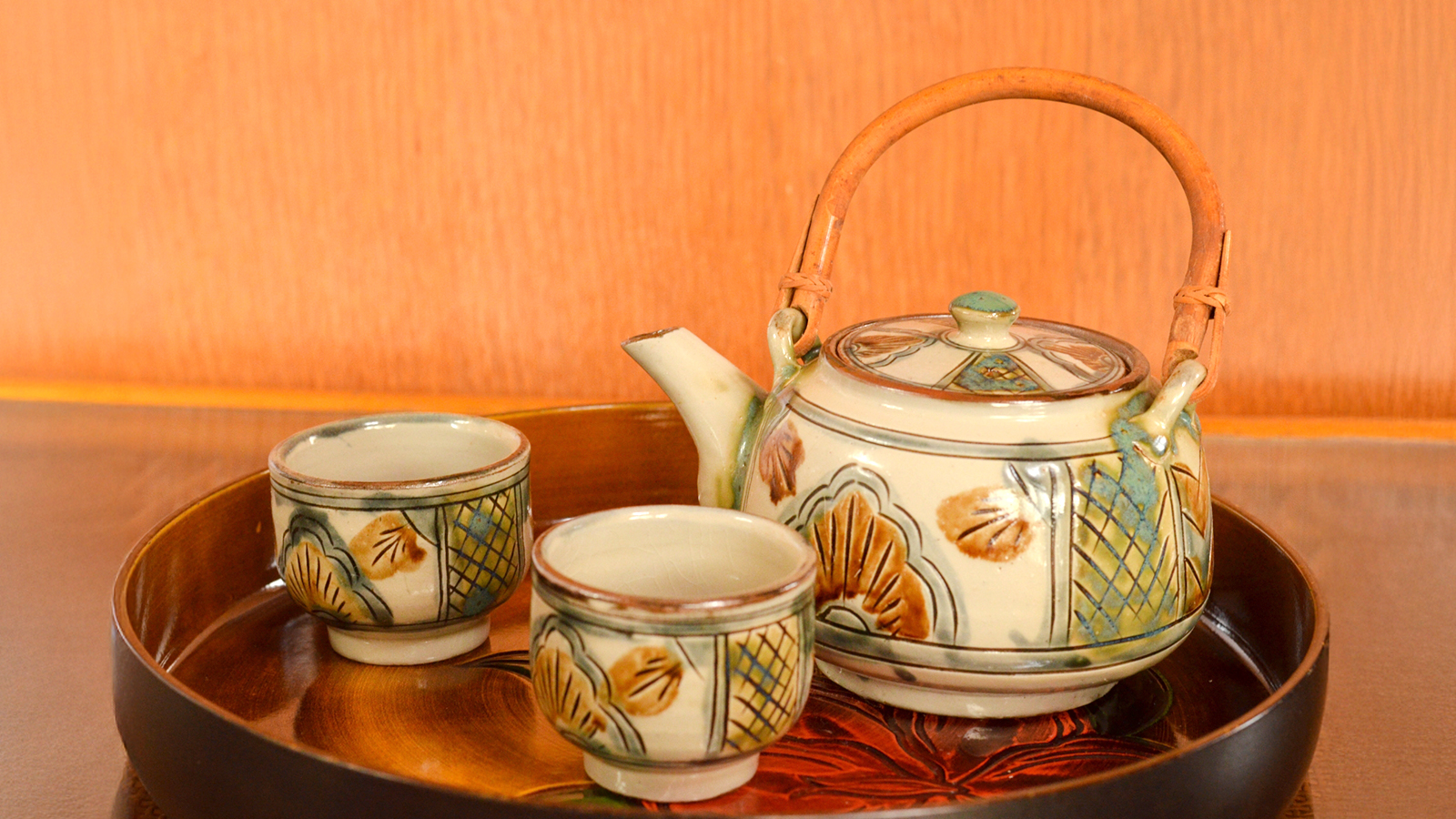
Tsuboya pottery (also known as yachimun), produced primarily in Naha City, Okinawa Prefecture, appeals with its substantial, rounded forms and dynamic, vibrant painting that evokes the tropical climate.
Often relatively thick and highly suited for daily use, these are cherished as reliable vessels that generously accommodate everyday home cooking.
The Beauty of Blank Space and Soft Tones: Hagi Ware (Hagi-yaki)
Produced in Yamaguchi Prefecture, Hagi ware (Hagi-yaki) is known for the soft texture of its clay and gentle, muted color tones. Restraining excessive decoration, the beauty of the blank space—born from the clay composition and glaze conditions—harmonizes not only with Japanese cuisine but also with modern Western dining settings. Due to its high water absorbency, it is a regional style where you can enjoy the patina that develops over time, a change often referred to as the “Seven Changes of Hagi.”

Frequently Asked Questions: Artisan Tableware Beginner FAQ
Finally, we answer some of the most common questions we receive regarding the purchase of artisan-made Japanese tableware.
Q. What exactly is the difference between artisan-made tableware and mass-produced items?
The major difference lies in the individual variation that comes with each piece being crafted by hand. Unlike mass-produced goods made uniformly in a factory, artisan pieces retain the marks of the potter’s hands from turning the wheel, unevenness in the glaze caused by how the flames struck it in the kiln, and slight distortions in shape.
These are not defects; rather, they are appreciated as surface character created by the artisan’s touch and the unintended effects of nature.
Q. What should I do if a piece chips or breaks?
Even if a favorite vessel chips, depending on its condition, it may be possible to repair it. Japan has a traditional technique known as kintsugi, where broken or chipped parts are joined together with urushi lacquer and decorated with gold or silver powder.
By embracing this culture of enjoying the mended scars as a new landscape on the piece, you can continue using a single vessel for a very long time.
Q. What criteria should I use when selecting pieces for use outside of Japan?
In dining cultures that frequently use metal cutlery like knives and forks, care is needed, as the surface of tsuchimono (earthenware) is susceptible to scratching.
Additionally, in households that routinely use large dishwashers, delicate handmade pieces face a risk of breakage.
Therefore, when purchasing for use abroad or as a gift, considering simple flat plates made from a relatively scratch-resistant and easy-to-handle ishimono (porcelain) base can help prevent mismatches with the user’s lifestyle. Always confirm and follow the specific maintenance instructions provided by the artisan.
