

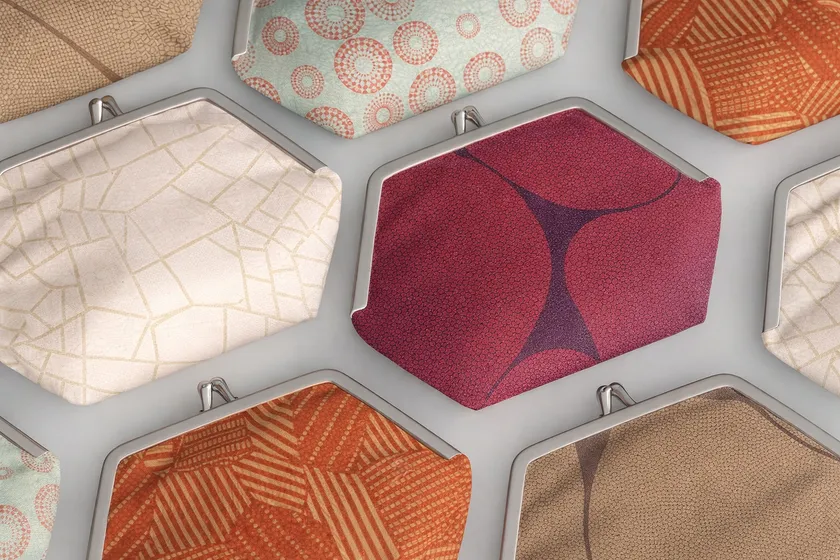
How does a 400-year-old Japanese heritage craft survive and thrive in the modern, eco-conscious global market? The answer lies in the bold reinvention of Koshu Inden—the traditional art of applying Urushi lacquer to deerskin. In January 2026, the historic Yamanashi-based workshop Inden Yamamoto launched “obudo,” a revolutionary brand that redefines sustainable Japanese traditional crafts. By replacing animal hide with Toray’s plant-based Ultrasuede®nu, obudo preserves the intricate, tactile beauty of Urushi patterning while embracing a completely animal-free, ethical material. Unveiled at the prestigious Maison & Objet in Paris, this modernized craft is now applied to everyday tech accessories and minimalist bags, proving that heritage arts do not need to be confined to museums. Explore how this brilliant fusion of high-tech vegan materials and centuries-old Japanese craftsmanship offers a masterclass in global brand strategy for 2026.
For over four centuries, Japanese traditional craftsmanship has quietly shaped the country’s cultural identity. Today, one of its most compelling chapters is being written not in a museum archive, but on the desks of product designers, the floors of Parisian trade fairs, and inside the daily carry bags of a new global audience. The Inden Yamamoto obudo brand—born from the storied tradition of Koshu Inden in Yamanashi Prefecture—is a case study in how heritage arts can evolve without losing their soul.
Reported to have launched in retail stores and e-commerce channels from January 28, 2026, obudo represents far more than a new product line. It is a comprehensive reimagining of how sustainable Japanese traditional crafts can be designed, positioned, and communicated for the world stage.
The three most important takeaways from this story are:
- Redefining Tradition: Inden Yamamoto’s new brand “obudo” upholds the 400-year-old core technique of Koshu Inden—Urushi lacquer patterning—while replacing deerskin with Toray’s plant-derived artificial leather, Ultrasuede®nu. The result is a pioneering example of animal-free (Animal-free) heritage craft for the modern era.
- Craft Designed to Be Carried: Through collaboration with professional product designers, obudo introduces new geometric patterns inspired by Yamanashi’s natural landscape—including “waterdrop,” “crystal,” “cracs,” and “cell.” These designs are applied to everyday tech accessories and bags, transforming traditional craft into something designed to live in the real world.
- A Blueprint for Global Craft Branding: Ahead of its domestic and international launch in January 2026, obudo debuted at Maison & Objet in Paris—one of the world’s most influential lifestyle and design trade fairs. The brand’s fusion of sustainability, utility, and cultural depth offers a compelling new model for Japanese craftsmanship branding strategy on the global stage.
Table of Contents
How Inden Yamamoto Is Disrupting the World of Sustainable Japanese Traditional Crafts with “obudo”
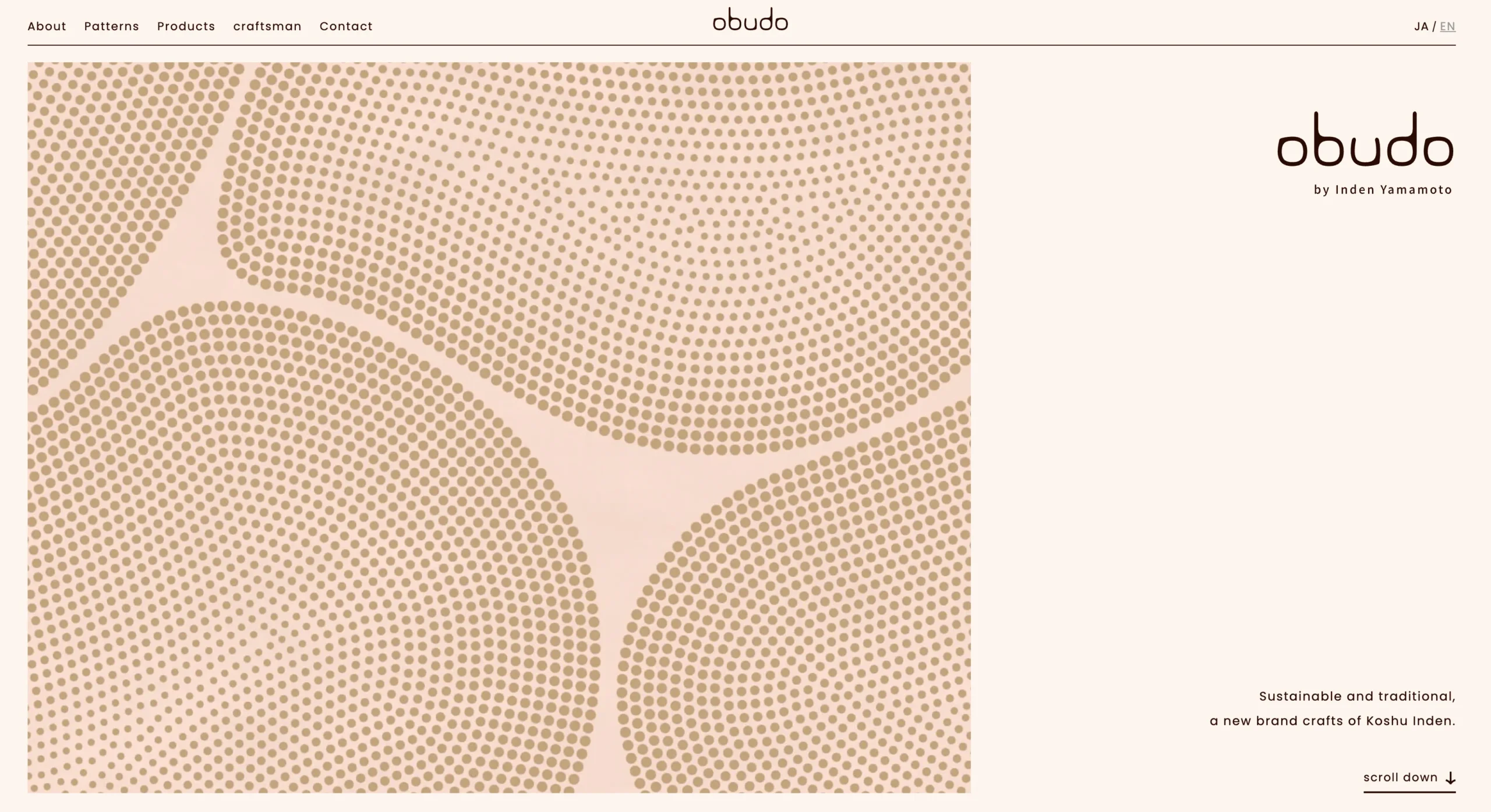
When obudo was unveiled in January 2026, it generated conversation not only within the craft and design communities, but also in business and branding circles. The reason was clear: this was not merely a product refresh. It was a systematic rethinking of how a traditional Japanese craft brand could speak to the values of the contemporary global consumer—sustainability, practicality, and aesthetic authenticity—without compromising its artisanal core.
What Is Koshu Inden? Understanding 400 Years of Urushi Lacquer Art and Its Modern Reinvention
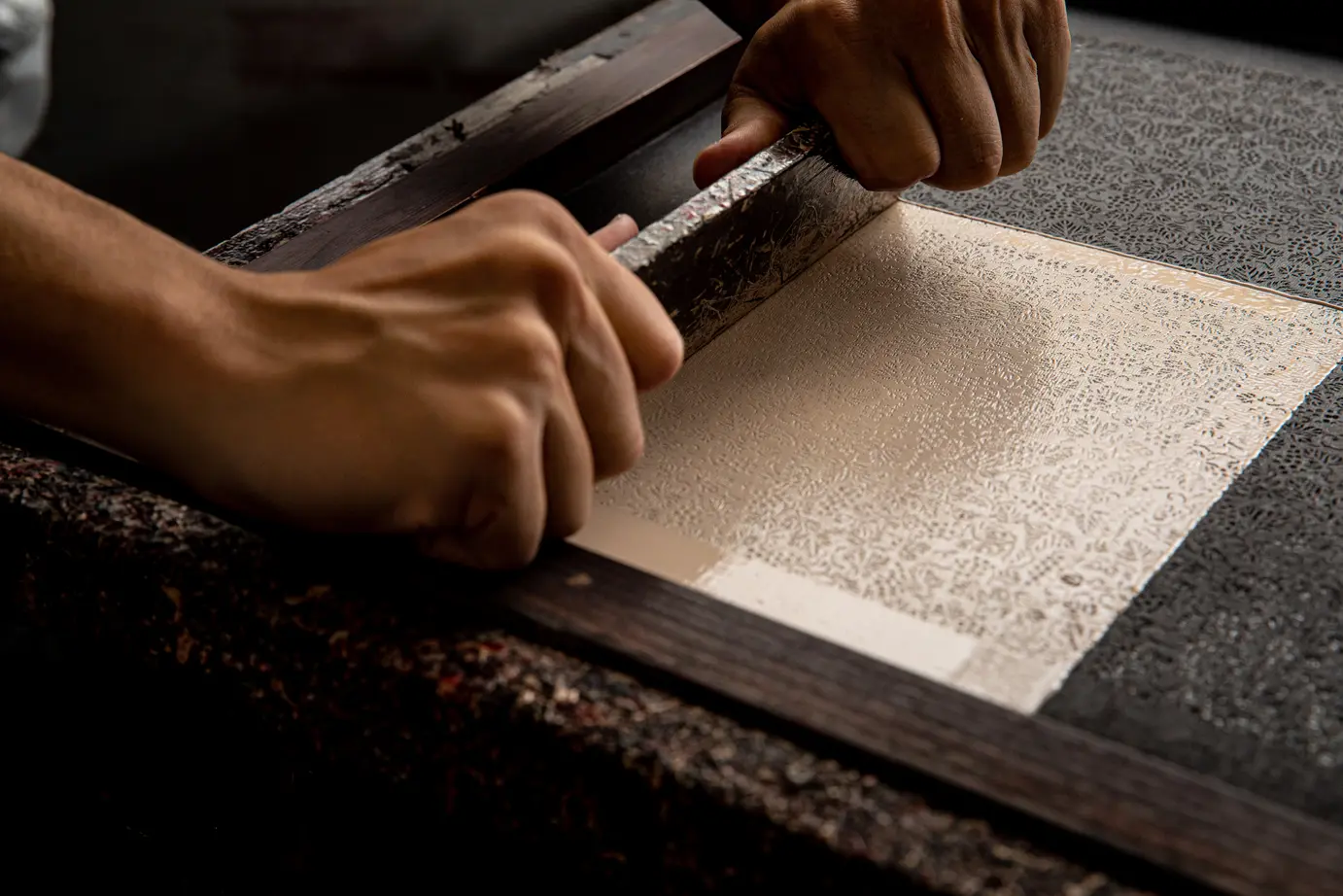
Koshu Inden (甲州印伝) is a form of Japanese decorative leatherwork that originated in Yamanashi Prefecture—historically known as Koshu Province—over 400 years ago. The technique involves applying Urushi lacquer to tanned deerskin through patterned stencils, creating richly textured surfaces with a distinctive tactile quality and lustrous depth. The craft has long been associated with wallets, pouches, and small accessories prized for their durability and refined beauty.
The brand behind obudo, Inden Yamamoto Co., Ltd. (有限会社印傳の山本), operates its workshop in Kofu City, Yamanashi Prefecture. Its head, Yusuke Yamamoto, is described in Yamanashi Prefecture’s official resources as currently the sole certified traditional craftsman (伝統工芸士) in the comprehensive field of Koshu Inden in Japan—a distinction that speaks to both the rarity and the depth of expertise behind this venture.
What makes obudo intellectually significant is its approach to innovation: rather than discarding the tradition, it asks a more precise question—which elements are immutable, and which are open to reinvention? The answer Yamamoto arrived at: the Urushi lacquer technique is the irreducible core. Everything else—material, pattern, product form, and market narrative—is a variable to be redesigned for the present moment.
The Strategy Behind obudo: Why “Animal-Free” Is More Than a Trend for Vegan Japanese Urushi Crafts
From a strategic standpoint, obudo’s market positioning rests on three interlocking design decisions. Each addresses a distinct dimension of the modern consumer landscape, and together they form a coherent brand logic that is both locally rooted and globally legible.
① Material Innovation: The Decisive Shift to Toray Ultrasuede®nu and Animal-Free Leather
The most radical departure in obudo’s design is its choice of material. In place of traditional deerskin, the brand uses Ultrasuede®nu—an advanced artificial leather developed by Toray Industries, Inc., one of Japan’s leading textile and materials conglomerates. According to available documentation, Ultrasuede®nu incorporates plant-derived renewable resources as part of its raw material composition, making it a meaningful step toward more ethical and sustainable material sourcing.
The decision to adopt an animal-free material is strategically coherent with the broader rise of ethical consumption and conscious lifestyle purchasing—trends that are particularly resonant in European and North American markets. The Koshu Inden animal-free leather direction positions obudo within a global conversation about sustainability without resorting to superficial greenwashing; the material choice is functional as well as values-driven, with properties that include lightness and ease of care that complement daily carry use cases.
It is worth noting that bonding Urushi lacquer to artificial leather is technically challenging. Urushi, a natural lacquer derived from the sap of the urushi tree (Toxicodendron vernicifluum), has been used in Japanese decorative arts for thousands of years. Applying it reliably to a synthetic substrate—while maintaining the characteristic textural richness and adhesion quality of traditional Inden work—represents a significant craft achievement. Toray Ultrasuede nu applications in this context are not a shortcut; they are a sophisticated technical adaptation built on generations of accumulated expertise in Urushi patterning.
② Design Language: Four Modern Patterns Rooted in Yamanashi’s Natural World
The second pillar of obudo’s strategy is its visual identity. In collaboration with professional product designers, Inden Yamamoto developed four entirely new geometric patterns for the brand: waterdrop, crystal, cracs, and cell. Each draws conceptual inspiration from the natural environment of Yamanashi Prefecture—a region renowned for its rivers, crystalline mineral deposits, and dramatic mountain landscapes.
The choice to move away from the classical motifs strongly associated with Koshu Inden—such as wisteria, dragonfly, and tortoiseshell patterns—and toward a minimalist, geometry-forward visual language is a deliberate act of market positioning. These new patterns are designed to coexist with modern tech accessories, contemporary fashion, and the visual minimalism favored by internationally conscious consumers. In other words, the design system is not just aesthetically refreshed—it is calibrated to reduce friction at the point of purchase by making the product legible within existing lifestyle categories that global buyers already understand.
③ Global Market Entry: obudo at Maison & Objet Paris — Where the World Discovers Japanese Craftsmanship Branding Strategy
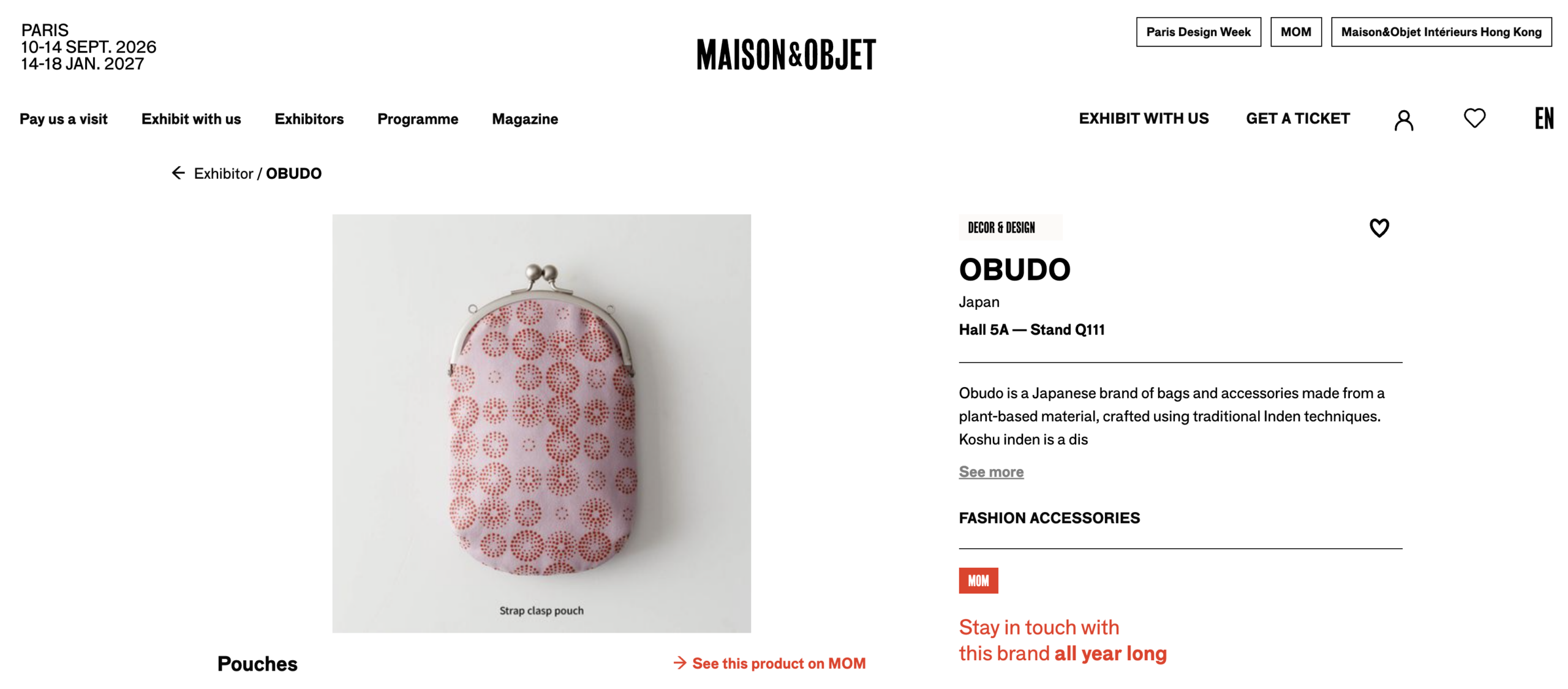
The third strategic pillar is perhaps the most instructive for anyone studying Japanese craftsmanship branding strategy: obudo was designed from the outset to be internationally communicable.
Before its domestic retail launch, obudo exhibited at Maison & Objet—the prestigious Paris-based trade fair (January 15–19, 2026) that serves as a primary platform for global buyers, curators, and design journalists in the lifestyle, interior, and fashion accessories sectors. JETRO (Japan External Trade Organization) has publicly noted the significance of Maison & Objet as a venue for Japanese craft brands seeking European market entry, and its inclusion of obudo in supported exhibition programming underscores the brand’s strategic intent.
The narrative obudo brings to the international stage is unusually clean and globally resonant: Japanese artisan mastery × ethical, plant-based material innovation × practical, everyday utility. This three-part story is easy for overseas buyers to internalize, contextualize within their own market positions, and communicate to end consumers. It is a rare example of modernizing Japanese heritage arts in a way that does not require cultural translation—the values speak for themselves.
obudo’s Product Range: Where Sustainable Japanese Traditional Crafts Meet the Everyday Carry Culture
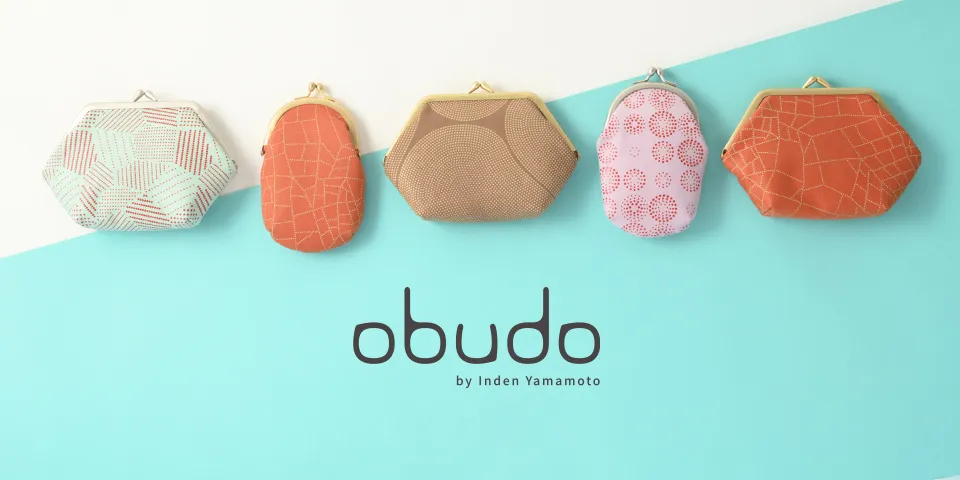
The conceptual logic of obudo’s branding strategy becomes tangible in its product lineup. Rather than launching with traditional Inden staples—wallets, coin purses, card holders—obudo’s inaugural collection targets the contemporary daily carry ecosystem, with a specific emphasis on tech-adjacent accessories.
Craft for the Modern Carry: How obudo Brings Urushi Lacquer Into Everyday Life
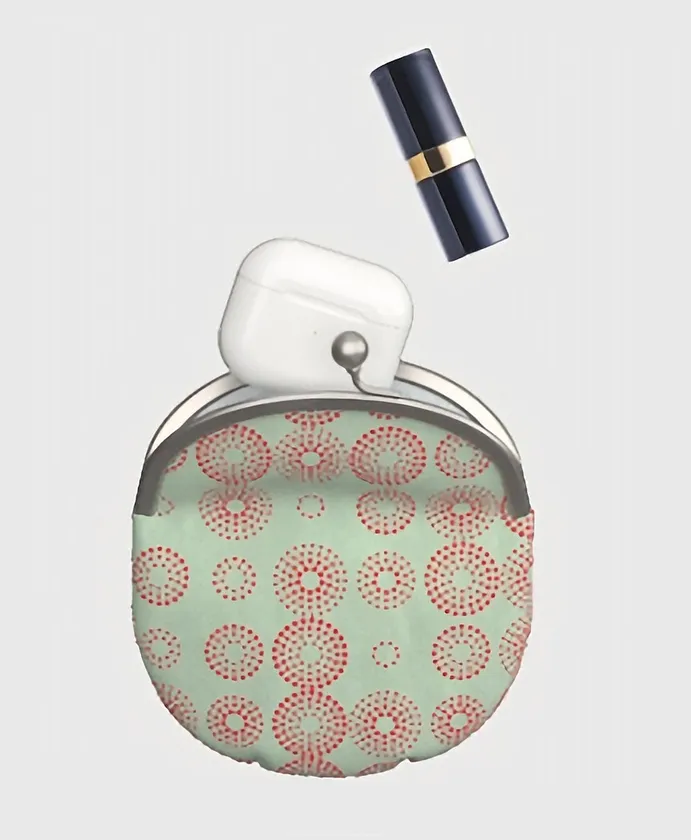
The initial obudo lineup includes laptop sleeves, gadget pouches, sacoche (compact crossbody bags), and tote bags—categories that align directly with the daily rituals of urban professionals, designers, and creatives who move between offices, cafés, and co-working spaces. These are objects that people touch dozens of times per day, making the tactile dimension of Urushi lacquerwork—its raised, almost sculptural surface texture—a continuous, embodied experience rather than an occasional ceremonial one.
The material pairing of Ultrasuede®nu’s soft, suede-like nap with the glossy, dimensional relief of Urushi lacquer creates a sensory contrast that is immediately arresting. This is the central experiential proposition of obudo: not decoration for its own sake, but the integration of craft sensation into the rhythms of daily life. In the language of contemporary brand strategy, it is the shift from object to experience—and it is executed through material and formal decisions rather than through marketing language alone.
Conclusion: What obudo Teaches Us About the Future of Sustainable Japanese Traditional Crafts
The Inden Yamamoto obudo brand is, at once, a compelling product launch and a transferable framework for thinking about how traditional crafts can achieve cultural and commercial relevance in the 21st century. Its most important lesson is structural: tradition need not be treated as a monolith. When you identify which elements are inviolable—in this case, the Urushi lacquer technique—you free everything else to evolve in response to the present.
Kogei Japonica’s Perspective: The Art of Knowing What to Keep and What to Reinvent
Inden Yamamoto’s approach with obudo demonstrates a clear and replicable design logic. The core technique—Urushi-based decorative patterning—is preserved absolutely. The contact points with users—material (animal-free), visual language (modern geometric patterns), and product category (portable everyday tech accessories)—are fully updated to resonate with contemporary values and behaviors.
This framework is not specific to Koshu Inden. It is applicable across craft traditions, regions, and material cultures. For any heritage brand considering how to enter new markets or attract new audiences, the obudo model offers a concrete and instructive precedent.
As the broader field of sustainable Japanese traditional crafts continues to gain international attention in 2026 and beyond, the lesson from obudo is clear: lead with specification and use-case design first, then allow the cultural depth of the tradition to serve as context and differentiation. This sequencing—utility before story—appears to be a highly effective strategy for both overseas expansion and domestic audience renewal. The obudo story has only just begun, and it is well worth watching.
