




There is a solid demand and interest in traditional Japanese crafts as gifts for international VIPs and valued business partners.
However, selecting an item simply because it “looks Japanese” often leads to unintended failures, such as burdening the recipient with heavy luggage or violating international import regulations.
In a business context, a gift is not a mere exchange of objects; it is a crucial communication tool that conveys your company’s brand value and respect for the recipient.
In this article, the Kogei Japonica editorial team provides a thorough guide on “how to choose foolproof craft gifts” from the practical perspectives of corporate operations and international travel.
- Success Rules for International and Corporate Gifts: The key lies not in pure artistic value, but in “practicality” that fits the recipient’s daily life, “lightness and compactness” for air travel, and being “story-driven*” (having a story worth sharing).
- Risks and Selection Criteria to Check First: It is crucial to avoid materials subject to export restrictions (such as CITES) or excessively heavy items, and to select the optimal piece according to your budget—ranging from lightweight, inexpensive accessories to metalwork pieces worth tens of thousands of yen that match your brand value.
- Corporate Operations and Aftercare: In addition to procurement logistics like securing sufficient quantities and confirming personalization options, conveying the background story in multiple languages or introducing repair cultures like Kintsugi can elevate the gift’s emotional value.
*Story-driven: An approach that centers on a narrative to drive emotional resonance, context, and experience.
Table of Contents
1. Craft Gifts Are Defined Not by “What” You Give, but “How” You Choose
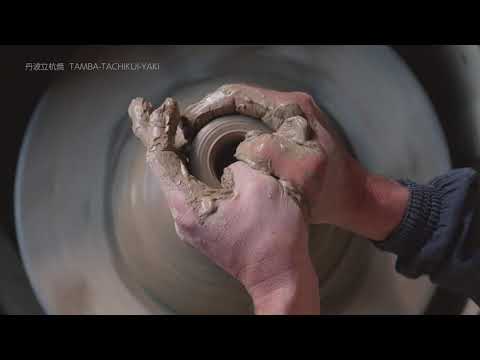
In business settings and international gifting, the pure artistic value of a craft and its “ease of handling as a gift” are judged by very different standards.
Particularly in B2B (corporate) scenarios, the context of “gifting with a clear story”—sharing who made the item and how—is key to increasing corporate engagement.
Common Pitfalls of Failing Gifts and the Importance of “Heritage Craft Designed for Modern Life”
It is not uncommon for a lavish vase or large ornament, given with the best intentions, to become a burden in the recipient’s office or home.
To avoid failures such as the item being “too heavy,” “requiring specific display space,” or “clashing with the interior,” a focus on “heritage craft designed for modern life*”—which applies traditional techniques while harmonizing with contemporary lifestyles—is required.
Sophisticated, practical items designed for everyday use are the ones that will remain a part of the recipient’s life for years to come.
*Heritage Craft Designed for Modern Life: A design approach that inherits elements of traditional styles and masterpieces (heritage) while reinterpreting them through modern perspectives and techniques.
The Difference Between “Traditional Crafts” and “METI-Designated Traditional Crafts”
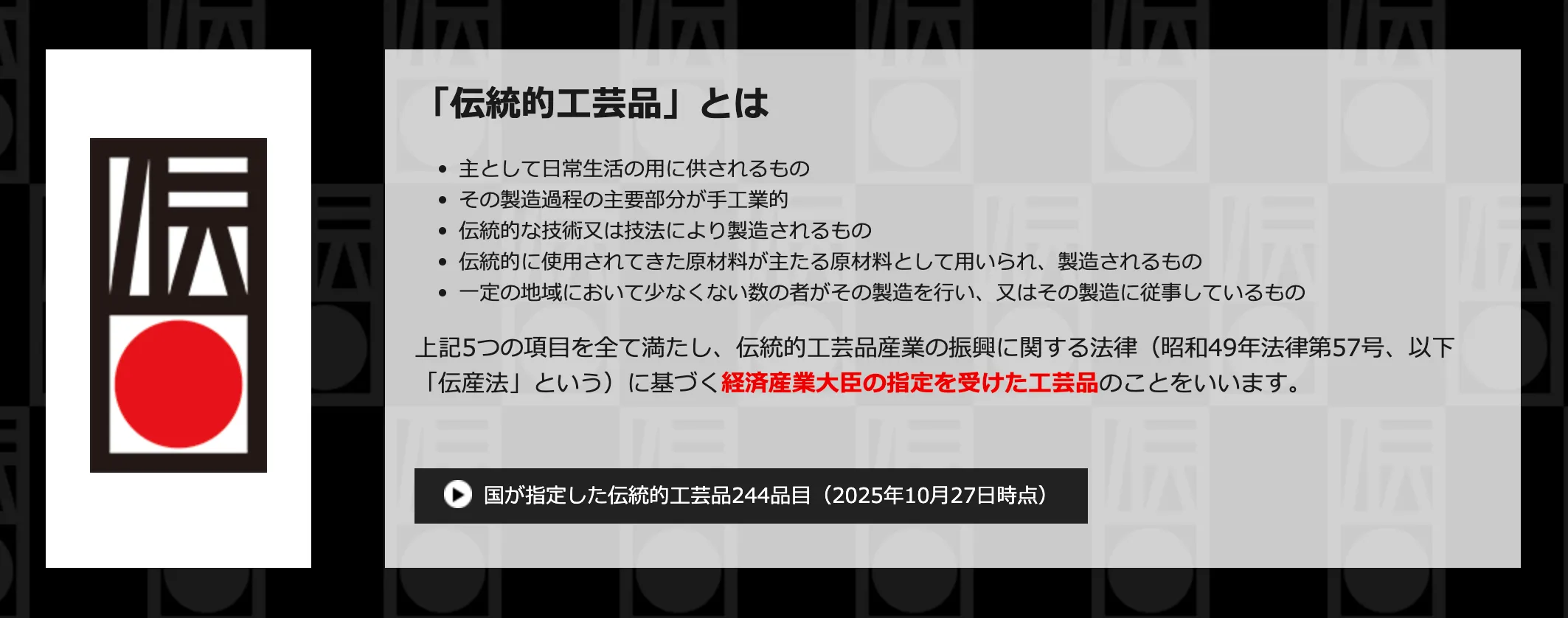

As of 2026, there are 244 designated craft categories. Selecting an item that carries this official certification (the Traditional Craft Mark) can serve as proof of your corporation’s discerning eye and reliability.
2. For International and Inbound Clients: Three Non-Negotiable Risk Management Steps
When selecting gifts for guests from overseas or to take on business trips abroad, strict risk management is required to prevent physical or logistical issues. Here, we outline three key points to verify before making a selection.
Caution: CITES and Material Verification
The primary concern is import and export regulations governing materials derived from plants and animals. International trade of items like tortoiseshell, ivory, and certain precious woods may be restricted by CITES (the Washington Convention).
It is wise to choose materials where it is easy to verify that the specific species (scientific name) is exempt from regulation, rather than assuming an item is safe based on the general material name alone.
Ultimately, you must always verify the customs information and required documentation for the destination country.
(Source: Ministry of Economy, Trade and Industry: About CITES)
Will It Fit in a Suitcase? The Reality of Size and Weight
International travel involves restrictions on carry-on and checked baggage. No matter how exquisite a piece may be, if it is heavy and bulky, it will become a burden during transit.
While there is no universal standard, you should make individual assessments by considering the airline’s baggage policies and concretely imagining the effort required for the recipient to carry the item from the airport to their home, using “lightweight and durable” as crucial criteria.
Consideration of Religious and Cultural Taboos
In global business contexts, careful attention must be paid to the cultural connotations of colors and motifs. There are instances where white or black is associated with funerals in certain regions, or where specific animal motifs are religiously avoided.
When in doubt, it is safest to avoid eccentric designs and prioritize geometric patterns expressing universal natural beauty, or highly functional, minimalist designs.
3. Recommended Craft Gifts and Examples by Budget and Recipient
Having addressed risk management, the next step is concrete item selection based on budget. We introduce item categories that balance lightweight portability and practicality, aligning with corporate expense policies and specific uses.
5,000 to 10,000 Yen Range: Casual Thank-Yous and Colleagues

For a small token of appreciation or a gift to a colleague, practical small items that are easy to explain are appropriate.
For example, stationery made from Washi (Japanese paper) or decorated chopstick rests are lightweight and take up very little space.
Even when handed over at a business dinner, they do not add to the recipient’s baggage, allowing you to casually share a touch of Japanese aesthetics.
10,000 to 30,000 Yen Range: Corporate Commemoratives and Mid-Level Management
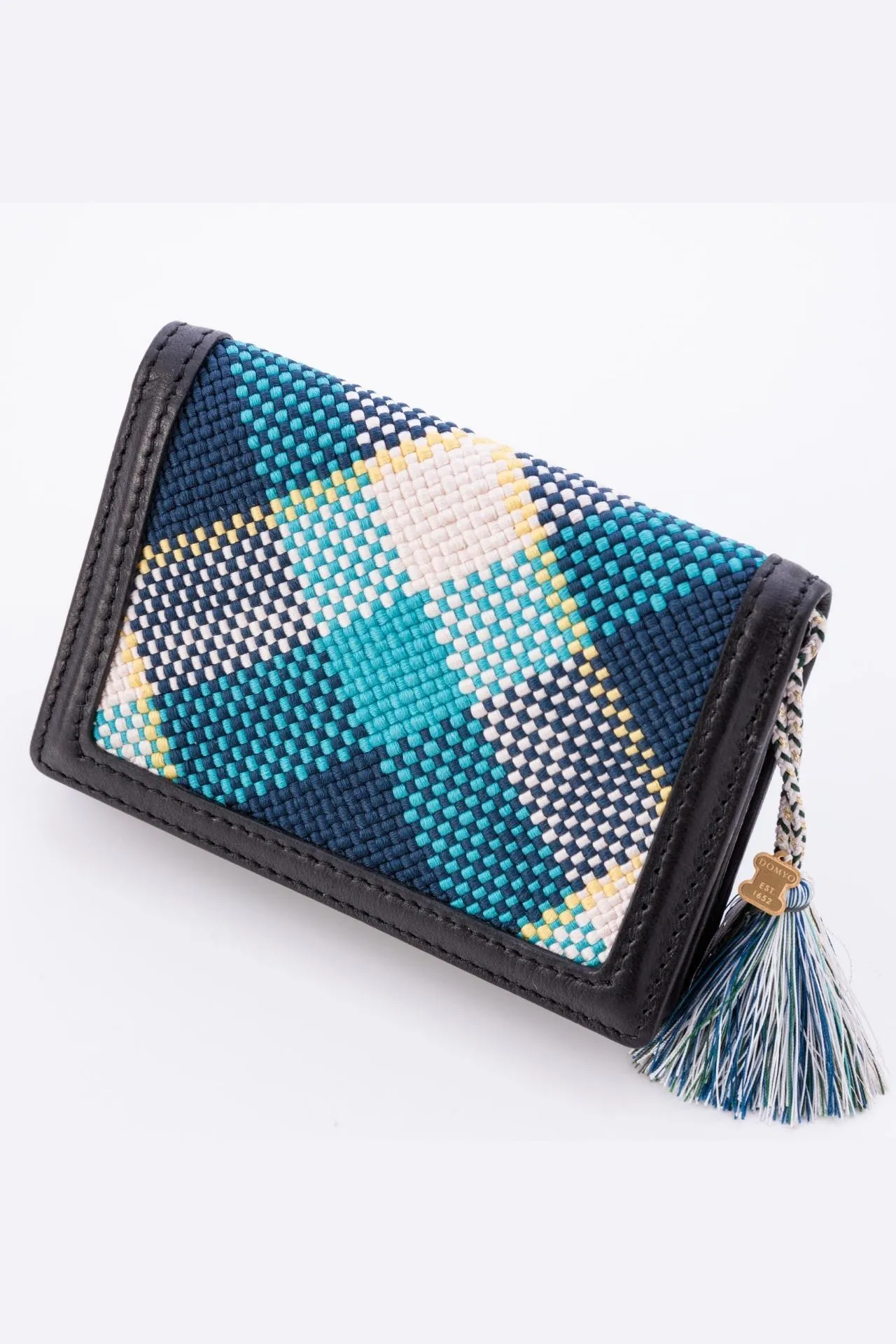
Taking products from Tokyo Teshigoto—a project creating crafts adapted to modern lifestyles—as an example, items like the “Iki Belt” card case featuring beautiful silk Kumihimo braiding (approx. 56g / 29,700 JPY) are highly regarded, as they provide a narrative to share during business card exchanges.

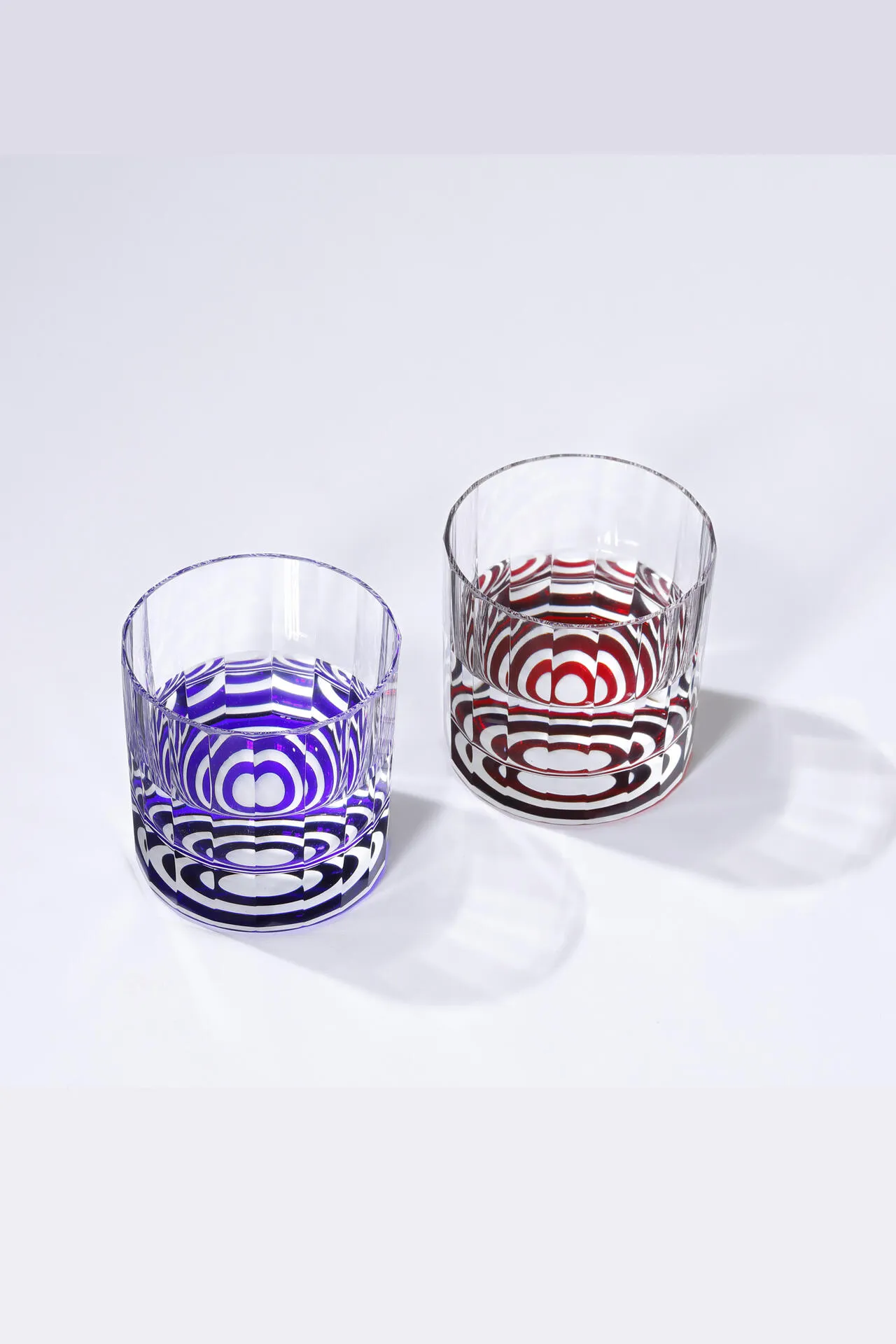
50,000 Yen and Above: International VIPs and Executives
4. Explain It in English: The Appeal and Selection of Specific Materials (with Bilingual Tips)
The appeal of craft items deepens when you can “verbally communicate” the history and characteristics of their materials. When giving a gift to someone overseas, being able to provide a simple explanation in English helps communicate what makes the item special.
Lightweight and Durable: Urushi Lacquerware and Woodwork
Among the easiest materials to manage during international travel are Urushi lacquerware and woodwork. They are relatively light and offer the advantage of not shattering into pieces like metal or glass if dropped.
When explaining these in English, it is effective to mention that Urushi is not a simple paint but a naturally derived technique using tree sap, and to highlight the beauty of its patina—how its character deepens with continued use over time.
Developing Character with Use: Metalwork and Cutlery

Japanese metalwork is highly regarded for its precise technical execution. Products utilizing titanium or tin are resistant to rust and easy to maintain.
Furthermore, Japanese cutlery, such as kitchen knives, garners significant interest abroad. When presenting them as gifts, you can prevent misunderstandings by explaining the auspicious background: rather than “severing ties,” they symbolize “carving out the future.”
The Fusion of Function and Beauty: Textiles

Textiles easily slip into the gaps of a suitcase and add very little weight. Items like Nishijin-ori woven neckties and table runners allow the recipient to effortlessly incorporate traditional Japanese aesthetics into their daily fashion or interior decor.
The luster and pleasant texture of silk provide an immediately recognizable, visual sense of premium quality.


5. Essential for Corporate Buyers: Procurement Operations and Maximizing the “Gifting Experience”
Corporate gift selection does not end with choosing the product.
Navigating B2B-specific procurement operations and designing the recipient’s “experience” is where practical procurement skills matter most.
Confirming Volume Capacity and Personalization

In corporate projects, particularly distribution at events, the first hurdle is “securing the required lot of items at a consistent standard.”
Because handcrafted artisan items take time to produce, confirming delivery schedules several months in advance is essential. Additionally, verifying whether “name engraving”—adding a corporate logo or the recipient’s initials—is possible is a crucial step in creating a sense of exclusivity.
Kiribako Boxes and Multilingual Guides
Packaging is also a vital element of Japanese crafts. Placing the item in a Kiribako (paulownia wood box), which offers humidity control and insect-repelling properties, and tying it with Mizuhiki cords expresses deep respect for the recipient.
Furthermore, an English Care Guide is practically indispensable. Clearly detailing the artisan’s background and proper maintenance instructions—such as whether the item is dishwasher safe—prevents complications during use.
Sharing the Sustainable Repair Culture of Kintsugi
In recent years, the philosophy of Kintsugi—repairing broken ceramics with Urushi lacquer and gold powder—has garnered significant interest among Western business professionals.
When presenting the gift, sharing that “Japan has a culture of repairing and continuing to use items even after they break” aligns this spirit of valuing objects with modern ESG and SDG frameworks, providing a highly resonant narrative.

6. Conclusion: Craft Gifts as Offerings of Respect and Narrative
When in doubt about choosing a Japanese craft gift, try organizing your final decision around the following three pillars:
- Is it practical? Does it have an actual use in the recipient’s daily life or office environment?
- Is it easy to take home? Will it fit in a suitcase, and will its weight or international regulations cause travel burdens?
- Does it have a story worth sharing? Is there a meaningful story to share with the recipient, such as the history of its production region, METI designation, or the artisan’s technique?
Crafts that clear these three conditions transcend being mere presents; they become effective communication tools for building trust across borders.
By maintaining a perspective that minimizes the recipient’s burden while delivering the background narrative, you will be able to select the optimal piece.
“`
*(Adding this tag here as a conceptual note outside the strict HTML boundaries—if Kogei Japonica ever builds out the Kintsugi section further, a diagram breaking down the lacquer-and-gold process would be highly instructive for an international audience!)*
Would you like me to draft a short social media snippet or newsletter intro to help promote this newly polished article?


