


“I would like to buy a piece of craft, but galleries feel intimidating.” “Even at an art fair, I would not know what to judge a work by.” These are common concerns among first-time buyers.
Kogei ranges from vessels and tools used day to day to works made to be looked at, in which material and technique are the means of expression. Because the materials and handling differ from painting or photography, a first purchase calls for attention not only to price but to technique, provenance, storage, and where to turn after the sale.
This article uses KOGEI Art Fair Kanazawa 2026, held in Kanazawa in November 2026, as a starting point to set out how buying craft at an art fair works, and the criteria that help you choose a work you will feel confident owning over time.
Table of Contents
What is KOGEI Art Fair Kanazawa 2026? Japan’s only craft-dedicated art fair
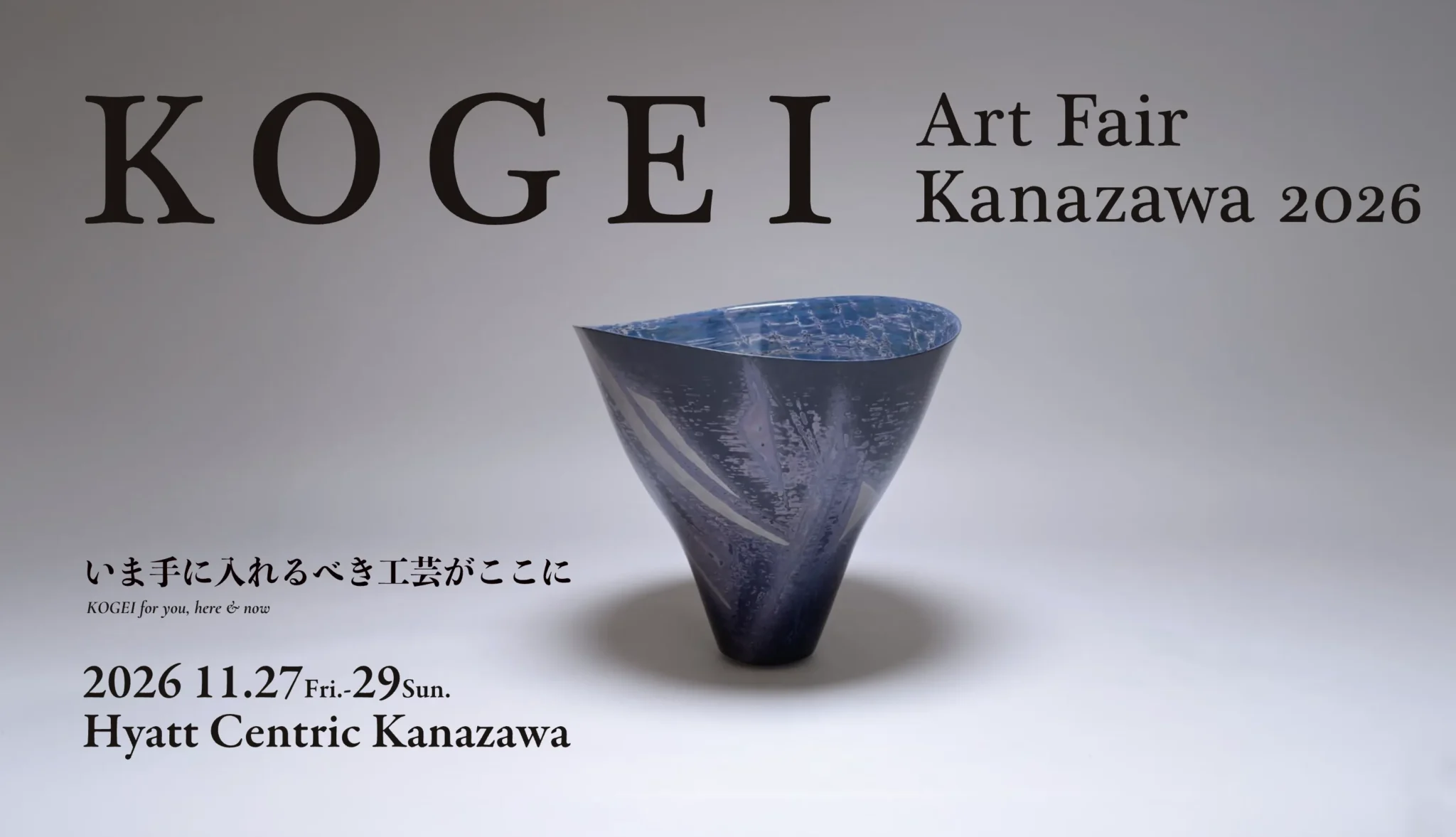
KOGEI Art Fair Kanazawa 2026 is an art fair built around the exhibition and sale of craft works, which its organisers describe as the only art fair in Japan dedicated to kogei (according to the organisers). It runs from Friday 27 to Sunday 29 November 2026 at the Hyatt Centric Kanazawa in Kanazawa, Ishikawa Prefecture.
The phrase “craft fair” may suggest a regional trade show or an artists’ selling event. At KOGEI Art Fair Kanazawa, however, multiple galleries gather in one venue, each presenting works by the artists they represent and offering them for sale. As at a contemporary art fair, it functions as a market: visitors can not only look at the works but discuss prices and purchase terms with the galleries.
The fair began in 2017, and 2026 marks its tenth edition.
(Reference:ABOUT|KOGEI Art Fair Kanazawa)
(Reference:KOGEI Art Fair Kanazawa 2026, Japan’s only craft-dedicated art fair, announced|PR TIMES)
Visitor information: dates, venue, admission
The essential details for 2026, to check before you go.
| Item | Details |
|---|---|
| Dates | Friday 27 November 2026, VIP preview 13:00–19:00 (by invitation only, last admission 18:30) Saturday 28 November 2026, open to the public 11:00–19:00 (last admission 18:30) Sunday 29 November 2026, open to the public 11:00–18:00 (last admission 17:30) |
| Venue | Hyatt Centric Kanazawa, floors 2, 4 and 5 (reception on floor 2) 1-5-2 Hirooka, Kanazawa, Ishikawa |
| Admission | Advance ticket ¥2,500 / door ticket ¥3,000 Both valid for the two days open to the public |
| Organiser | KOGEI Art Fair Kanazawa Executive Committee |
| Management | NPO Syuto Kanazawa |
| Co-organisers | Kanazawa Craftwork Business Creation Agency, Kanazawa Artspace Link |
| Support | Ishikawa Prefecture, the City of Kanazawa, the Kanazawa Association of Corporate Executives, the Kanazawa Chamber of Commerce and Industry, Junior Chamber International Kanazawa, The Hokkoku Shimbun |
General visitors can attend on 28 and 29 November. Note that 27 November is a VIP preview open to invited guests only. Ticketing and opening hours are subject to change, so check the official site for the latest information shortly before you travel.
(Reference:Visitor information|KOGEI Art Fair Kanazawa)
Why “Japan’s only”: ten editions since 2017
The organisers themselves describe KOGEI Art Fair Kanazawa as the only art fair in Japan dedicated to craft. That claim, however, is made by the organisers.
What matters is less the word “only” than the fact that galleries dealing in craft have gathered at a single fair on a continuing basis, sustaining a market for craft across ten editions.
For 2026, a record 49 galleries from Japan and abroad are due to take part, nine of them exhibiting for the first time. Gallery LVS of South Korea is among the participants from overseas.
In 2025, 42 galleries exhibited, and the organisers reported that works by around 210 artists were shown and sold.
Related programmes are planned for the tenth edition in 2026. The official EVENT page already gives details of some of them, including a tenth-anniversary symposium on 28 November on the theme of how kogei relates to the wider world. Further details are expected, so it is worth checking for the latest information before visiting.
(Reference:KOGEI Art Fair Kanazawa 2026 announcement|PR TIMES)
(Reference:2026 edition confirmed, with 2025 results|PR TIMES)
(Reference:EVENT|KOGEI Art Fair Kanazawa)
How do you actually buy a work at a craft art fair? The exhibition-and-sale format
Works at KOGEI Art Fair Kanazawa are exhibited for sale, and you can discuss price and purchase terms with the gallery for any piece that interests you. Payment methods, handover timing, shipping and whether a work is already reserved all vary by work and by gallery.
Being at an art fair does not mean every work is sold in the same way. A piece on display may already be reserved, and some works are paid for at the fair but handed over once the exhibition has closed.
The exhibition-and-sale format
A sales format in which galleries and others display works at a venue, and visitors can view them while discussing price and purchase terms. At an art fair, because several galleries are gathered in one place, you can compare different artists, materials and approaches in a single visit.
The art market also uses the term “primary market”, meaning the first sale of a work, from the artist through a gallery or similar.
That said, not every work at an art fair is a primary-market work. Alongside new pieces, earlier works or works from the secondary market may also be presented. Treating an art fair as entirely primary market is therefore not quite accurate.
What to do once you are there
On a first visit to an art fair, there is no need to set out looking for something to buy.
Walk the whole fair once, and note three to five works that caught your attention.
- The surface texture drew you in
- You could not tell what the material was
- You could picture it in your home
- You could not work out its use, but could not look away
- It struck you differently from the works around it
That is enough to start with.
On a second pass, check the artist’s name, the title, materials, technique, year and price. Approaching it this way lets you judge the works by your own response rather than starting from the price list.
The 2026 venue occupies floors 2, 4 and 5. The exhibiting galleries and artists are published on the official site, so if there is a particular gallery or artist you want to see, it is worth checking in advance.
(Reference:EXHIBITORS|KOGEI Art Fair Kanazawa)
(Reference:ARTISTS|KOGEI Art Fair Kanazawa)
Editor’s note
When thinking about collecting, there is no need to decide in advance what the “right” purchase would be. It is more useful, having looked at a great many works, to ask why you stopped in front of only a few of them.
Look at the work itself before checking the price or the artist’s reputation. Learn the background afterwards, then look again. Moving back and forth like this is how the thread running through a collection gradually becomes visible.
What determines the price? Judgement criteria, not forecasts
The price of a craft work involves several factors: the artist’s standing, where the piece sits within their broader practice, the year, the size, materials and technique, scarcity and distribution. Pricing differs between artists and galleries, and cannot be judged simply by material costs and hours of work.
Writing about the craft market often turns on which artists’ prices will rise, or which works count as an investment. Future market prices, however, cannot be predicted with any certainty.
At Kogei Japonica, rather than encouraging purchases on the basis of unverifiable market sizes or price forecasts, we take one criterion as a starting point: whether you would still want to own the work if its price never rose.
With craft works, it is also worth thinking beyond the purchase price to how the piece will be displayed and stored.
| Item to check | What you want to know | How to ask the gallery |
|---|---|---|
| Artist | Who made it, and the background to the work | What kind of practice does this artist pursue? |
| Title and year | The formal title and when it was made | Could you tell me the year and the series name? |
| Materials | Clay, lacquer, wood, metal, fibre, mixed materials and so on | What are the main materials? |
| Technique | How the work was made | What technique was used to make it? |
| Unique or editioned | Whether other works to the same specification exist | Is this unique, or is there an edition? |
| Accompanying material | Tomobako, documentation, certificates | Does anything come with the work, such as a box or documentation? |
| Condition | Damage, restoration, changes with age | Is there anything about the condition I should know? |
| Display conditions | Light, humidity, how it is installed | Is there anything to watch for in the display environment? |
| Shipping | Packing, carriage, insurance, delivery timing | How is the work shipped after purchase? |
| Repair and maintenance | Who to contact in future | Who should I contact if the work is damaged or needs maintenance? |
Editor’s note
An auction result is one outcome reached for a work already in the market. At an art fair, by contrast, you may be meeting a work you did not previously know for the first time.
What matters at that moment is not the figure alone. Ask the gallery why the work is priced as it is, understand the background, and then consider whether you are satisfied. That exchange is itself part of buying craft.
What to ask the gallery
When you find a work you are drawn to, go beyond the price and check points such as these.
- The background to the artist’s practice
- The materials and techniques used
- The year, and where the work sits within the artist’s broader practice
- Whether it is unique, or part of a series or edition
- What comes with it, such as a tomobako or documentation
- Whether there are storage cautions regarding direct sunlight, humidity or water
- Whether display requires specific fittings or a stand
- Whether shipping, packing or insurance are charged separately
- Who to contact if maintenance or repair is needed in future
These are ordinary questions, asked in order to understand the work. If a technical term is unfamiliar, ask what it means on the spot.
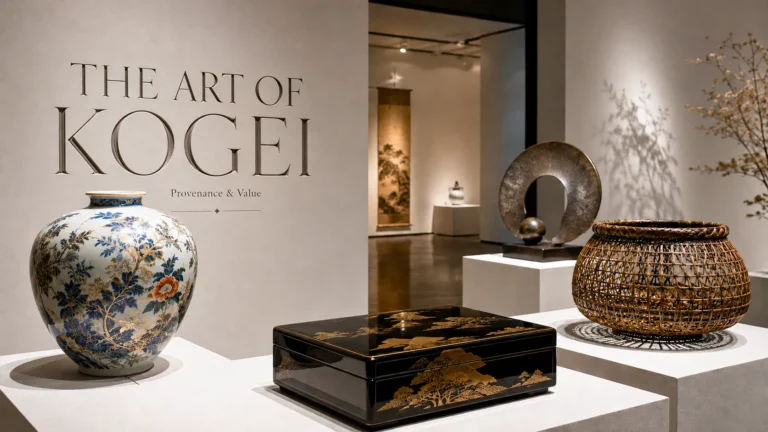
For more on the provenance and market value of craft works, see the following article.

Which galleries and artists are exhibiting? The 2026 line-up
A record 49 galleries are due to exhibit in 2026.
TARO NASU, Tomio Koyama Gallery, Shibuya Kuroda Toen, YOD Gallery, PAKUPAKUAN, Gallery Voice, Tajimi, and KOGEI Art Gallery Ginza no Kanazawa are among them, placing exhibitors of different backgrounds side by side: galleries specialising in craft alongside galleries dealing broadly in contemporary art.
This is a significant point for anyone thinking about craft today.
Craft does not circulate solely within the category of “traditional craft”. Work built around material, and contemporary approaches to form, also connect to contemporary art and to the context of collectible craft.
The nine galleries exhibiting for the first time are BrainBrunnGALLERY, Galerie NUAGE, Gallery Kenbiko and Kenji Taki Gallery, Gallery Ringosha, Kuon, MEDEL GALLERY SHU, MtK Contemporary Art, SASAI FINE ARTS, and Wa.gallery with Kobijutsu Ueda.
From overseas, Gallery LVS of South Korea is taking part.
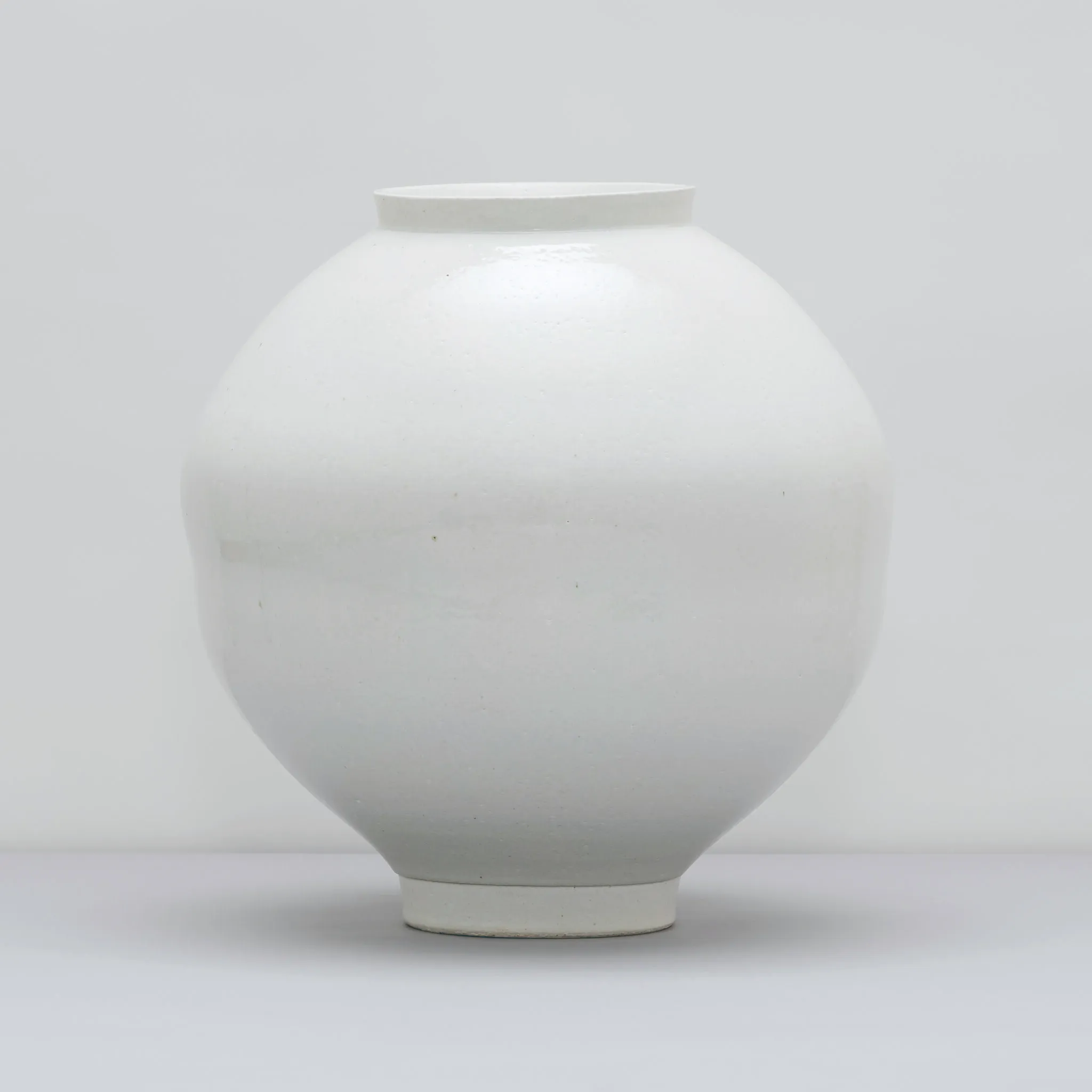
Among the exhibiting artists, the official announcement names Sayaka Miyata, Koichi Uchida, Peter Voulkos, Mayu Nakata, Haruka Saotome and Mika Tajima.
What is worth noting here is not only how many well-known artists appear. The fact that galleries specialising in craft and galleries dealing in contemporary art exhibit at the same fair is itself an indication of the fields alongside which craft is currently being presented.
Exhibiting artists and the works shown differ by gallery, so check the official exhibitor and artist pages for the latest information.
(Reference:EXHIBITORS|KOGEI Art Fair Kanazawa)
(Reference:ARTISTS|KOGEI Art Fair Kanazawa)
(Reference:Exhibiting galleries and artists announced|PR TIMES)
Who do you contact after buying? Shipping, repair and checking a work’s details
If questions arise after purchase about shipping or how to handle the work, the gallery you bought it from is the first place to ask. That does not mean galleries carry out all restoration or authentication themselves.
Craft works are handled very differently depending on the material.
Ceramics and glass require care against damage in transit. For urushi lacquer, wood and textiles, direct sunlight, humidity, dryness and contact with water can all affect a work.
It is therefore worth confirming the following points at the time of purchase.
- Whether you take the work with you on the day, or it is shipped after the fair closes
- Whether packing, carriage and insurance are included in the price
- Whether there are conditions to avoid in the display environment
- How to clean and care for the work day to day
- Who to contact if it is damaged
- Whether the artist can be consulted directly about repairs
Provenance, raireki in Japanese, refers principally to the record of ownership, sale and exhibition a work has passed through since it was made.
A tomobako, a box made for a specific work and usually bearing the artist’s inscription, known as hakogaki, along with certificates, invoices and documentation, gives you a way to verify a work’s details later on.
That said, the absence of a tomobako or a certificate does not in itself indicate a problem with a work. Contemporary craft is sold in a variety of ways. What matters is checking, work by work, what accompanies it.
If questions about authenticity or provenance arise later, start by asking the seller to confirm the transaction record and documentation, then consider the appropriate parties to approach as needed: the artist, the gallery representing them, or a specialist. It is also important not to treat the gallery you bought from as an authentication body.
For first-time visitors to a craft art fair: a pre-purchase checklist
On a first visit, preparing just two things — the practical details of the fair, and the points to check before buying — will make decisions on the day considerably easier.
There is no need to work through every item mechanically. Use it according to the type of work, its price, and how seriously you are considering a purchase.
Pre-purchase checklist
- Have you checked the dates, venue and ticket types?
- Have you looked up galleries or artists of interest in advance?
- Have you confirmed the artist’s name, the title and the year?
- Do you understand the materials and technique?
- Have you checked whether it is unique, or part of a series or edition?
- Have you checked what accompanies it, such as a tomobako, documentation or a certificate?
- Have you checked the cautions for storage and display?
- Have you checked the shipping method, packing, carriage and insurance?
- Have you checked the payment methods?
- Have you checked who to contact for repair and maintenance after purchase?
Kogei Japonica also publishes a Japanese traditional craft collection checksheet, for organising information as you build a collection. It can be used to record works that catch your eye at an art fair.

Frequently asked questions
- Q. When and where does KOGEI Art Fair Kanazawa 2026 take place?
- From Friday 27 to Sunday 29 November 2026, at the Hyatt Centric Kanazawa in Kanazawa, Ishikawa Prefecture. The fair is open to the public on 28 and 29 November.
- Q. How much are tickets, and where can I buy them?
- According to the official information, advance tickets are ¥2,500 and door tickets ¥3,000, both valid for the two days open to the public. Check the official site for current availability.
- Q. What should I prepare for a first visit?
- Looking through the list of exhibiting galleries beforehand, and noting even a few artists or materials of interest, makes the fair easier to navigate. If you are considering a purchase, be ready to ask about storage and shipping.
- Q. Can works be bought at the venue?
- Yes. Works at KOGEI Art Fair Kanazawa are exhibited for sale. Whether a work is already reserved, and how payment and handover are handled, differ by work and gallery, so confirm at the venue.
- Q. What is the price range?
- It varies considerably by work, artist, size, year and gallery. No single price range is published for the fair as a whole, so the reliable approach is to ask each gallery about the works that interest you.
- Q. Does every work come with a tomobako or a certificate of authenticity?
- Not necessarily. What accompanies a work — a tomobako, hakogaki, documentation, certificate or invoice — differs from piece to piece.
- Q. Who do I contact about shipping or repairs after purchase?
- Start with the gallery you bought from. Confirming shipping terms, and who to approach if repairs become necessary, at the time of purchase will save trouble later.
- Q. Will craft works rise in value?
- Future prices cannot be predicted with any certainty. Rather than buying on the expectation of a price rise, consider whether you want to own the work itself, and whether you want to follow the artist’s practice over time.
- Q. Can visitors from overseas buy works?
- The official site does not indicate any nationality-based restriction on purchasing. Payment methods, international shipping, insurance, customs and export procedures do vary by work, gallery and destination, so if you plan to take a work home with you, confirm the details with the gallery before buying.
In closing
KOGEI Art Fair Kanazawa 2026 runs from 27 to 29 November 2026 in Kanazawa, and is described by its organisers as the only craft-dedicated art fair in Japan.
It is open to the public on 28 and 29 November, with a record 49 galleries expected to take part.
There is no need, though, to think of the fair only as a place to find well-known artists, or to buy works whose prices might rise.
Look at the work first. Consider why it holds you. Learn about the artist and the material. Ask the gallery. Confirm the practicalities of storage and shipping, then look at the work again.
Buying craft means choosing a work by understanding, in your own terms, the background that price alone cannot convey.
An artist works with a material, pursues a technique and arrives, over time, at a single expression. Someone then chooses that work, owns it, and carries it into the time that follows. Buying at an art fair is a way of taking part in that sequence.
There is no need to look for the “right” answer with your first work. If a piece stopped you before you had even looked at the price, begin there: with why you kept looking at it.
