

The global art market turned back to growth in 2025, but that figure cannot be read as growth in the Japanese craft market. The survey scope and the routes of circulation have to be read separately.
“How is Japanese craft valued in the world?” It is a question many people wonder about when considering buying craft works, expanding overseas, or introducing them into corporate spaces.
From 2025 into 2026, alongside the global art market returning to growth after two consecutive years of contraction, there were also concrete developments in international settings that deal with contemporary craft, such as Collect and the LOEWE FOUNDATION Craft Prize.
That said, “art market” and “craft market” do not cover the same scope. A figure for the whole global art market cannot be treated as a market-size figure for collectible craft or Japanese craft on its own.
This article sets out the art and craft market as of 2026, drawing on the Art Basel and UBS global art market report, the Agency for Cultural Affairs’ survey of the Japanese market, Collect 2026, the LOEWE FOUNDATION Craft Prize 2026, and the official results of domestic auctions.
- The global art market returned to growth in 2025, but the recovery was not uniform across regions and price bands
- The Agency for Cultural Affairs’ most recent detailed survey mainly covers the 2024 Japanese market, and cannot be simply compared with the 2025 global market
- Collectible craft lacks comprehensive market statistics, so specialist fairs, prizes, galleries, and auctions have to be read separately
Table of Contents
In 2026, How Are the Global and Japanese Art and Craft Markets Moving?
The global art market turned to growth in 2025. Japan’s most recent confirmable detailed survey, meanwhile, covers 2024 transactions, so the two need to be understood as referring to different years.
How Far Did the Global Art Market Recover?
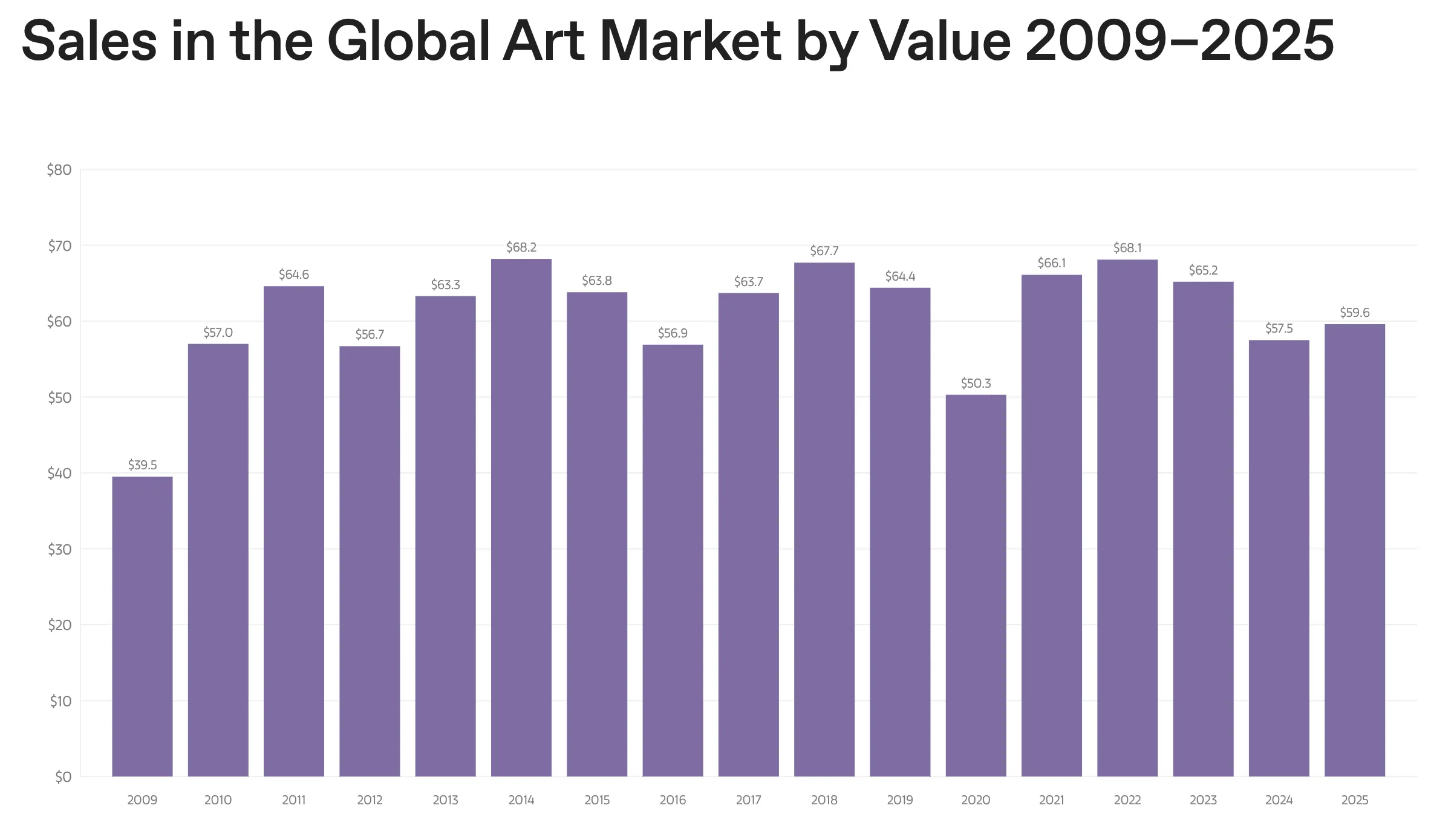
In “The Art Basel and UBS Global Art Market Report 2026,” global art market sales for 2025 were estimated at $59.6 billion, up 4% year on year. After two consecutive years of falling sales, this is a return to growth.
(Source: The Art Basel and UBS Global Art Market Report 2026|Art Basel)
Looking at the breakdown, the dealer sector was up 2% year on year at $34.8 billion, and public auctions up 9% at $20.7 billion. Reported private sales, on the other hand, were down 5% at about $4.2 billion. The market grew overall, but not every sales channel moved in the same direction.
Sales through art fairs rose to 35% of total dealer sales. This is the highest share since 2022. Looking toward 2026, 43% of dealers were reported to expect improved sales, 38% to expect them flat, and 19% to expect a decline.
Still, it is premature to judge this movement a simple “V-shaped recovery.” Sales in 2025 remained below the 2022 level, and the recovery differs by price band and business scale.
In public auctions in particular, high-value works pushed up the overall market’s rise. The total for fine-art works over $1 million was up 21% year on year, and the number of transactions in that price band up 15%. It is important to look not only at the overall market growth rate but at which price band supported the growth.
A Key Editorial Point
The single figure “the global art market grew 4%” does not let you conclude that craft works, emerging artists, small galleries, or the Japanese market grew in the same way. Market data means something only once you check the region, price band, and sales channel it covers.
Where Does Japan’s Art and Craft Market Sit in the World?
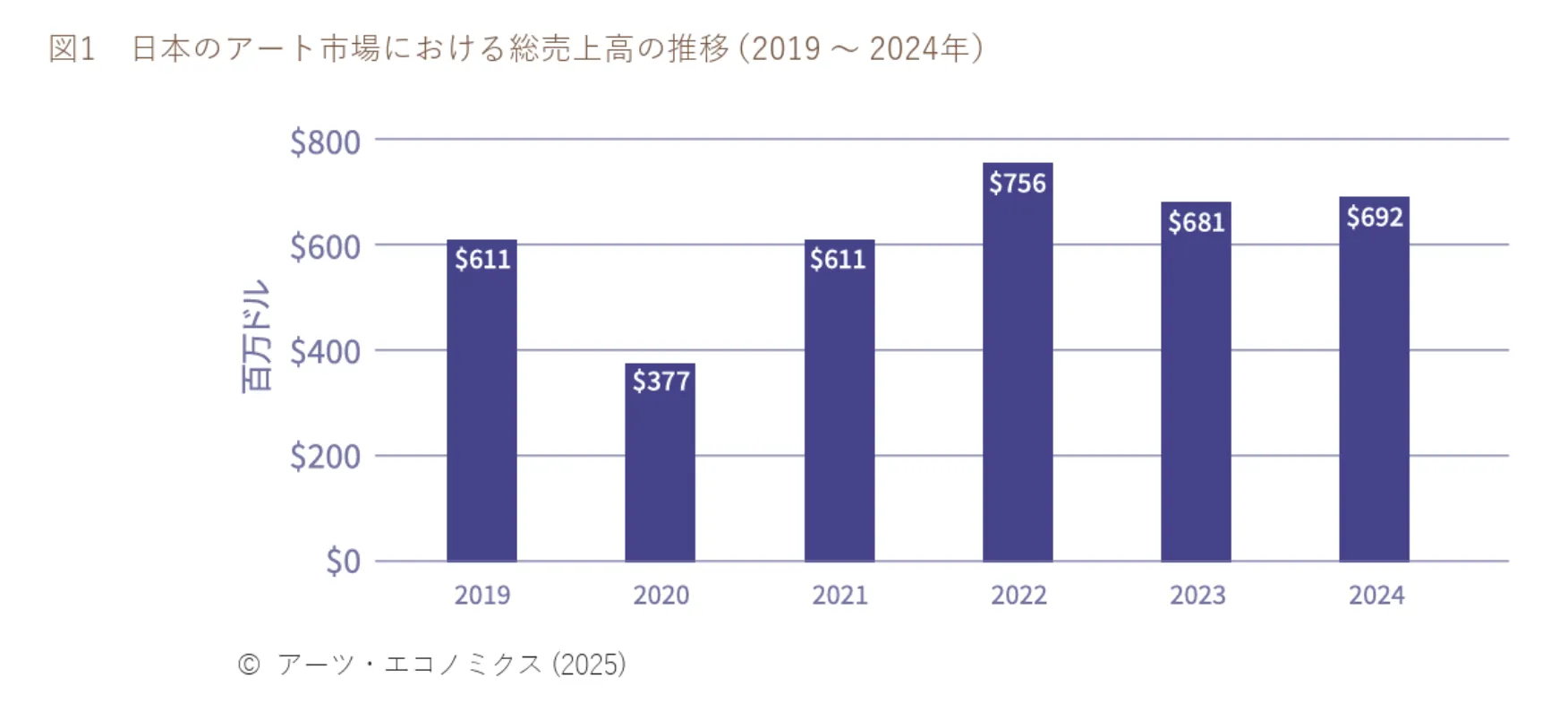
According to the Agency for Cultural Affairs’ “The Japanese Art Market 2025,” Japanese art market sales for 2024 were estimated at $692 million, or ¥103,108 million in converted terms. While the 2024 global market fell 12% year on year, the Japanese market rose by just under 2% in U.S. dollar terms.
(Source: The Japanese Art Market 2025|Agency for Cultural Affairs)
Japan’s share of the world market is about 1%. This share is unchanged from the previous year and is reported to have barely moved over the past five years.
A feature of the Japanese market is that sales through dealers and galleries are central. Dealer and gallery sales in 2024 came to just under $494 million, accounting for 71% of the whole market. Year on year, this was up 7%.
In estimates based on government statistics and the like, the dealers and galleries in Japan as of 2025 numbered more than 2,080, of which 59% were located within Tokyo. This count includes not only art but galleries, shops, and retailers dealing in antiques as well.
What to be careful of here is that the Agency for Cultural Affairs’ estimate does not indicate “the whole Japanese craft market.” The market size in that survey includes trade in art and antiques by domestic dealers, galleries, and auction houses. It is not a craft-market statistic covering the whole of direct sales from makers and workshops, the various channels other than department stores, regional production, corporate commissions, and so on.
| Point of comparison | Global art market | Japanese art market | Collectible craft |
|---|---|---|---|
| Main reference materials | Art Basel / UBS report | Agency for Cultural Affairs survey | Collect, craft prizes, specialist galleries, etc. |
| Main year covered | 2025 | 2024 | Differs by event and transaction |
| Main channels | Dealers, auctions, private sales | Domestic dealers, galleries, auctions | Specialist galleries, fairs, makers and workshops, corporate installation, etc. |
| Market size | Estimate for the whole world exists | Estimate for the Japanese market exists | No comprehensive up-to-date estimate confirmable |
| Limits when reading craft | Craft cannot be carved out on its own | Does not cover craft’s direct sales or regional circulation | Individual fairs and prizes cannot be generalized to the whole market |
Japan’s gallery- and dealer-led market structure has points of contact with craft, which handles one-off pieces and artists’ continuing practice. But rather than concluding uniformly that “because it is gallery-led, it suits craft,” you need to check individually which craft fields are actually handled and who is buying.
What Is the Difference Between the “Art Market” and the “Craft Market”?
Art market statistics and the craft trends shown by Collect or the LOEWE FOUNDATION Craft Prize cannot be compared as if they were the same kind of data. The former are estimates of a trading market; the latter are settings for specialist circulation and evaluation.
The Art Basel and UBS report analyzes trading trends centered on the world’s dealers, auction houses, and art fairs. The Agency for Cultural Affairs’ survey, too, places domestic dealers, galleries, and auction houses at the center of its market estimate.
Craft works, on the other hand, have varied routes of circulation: direct sales from artists and workshops, regional sales facilities, department stores, craft fairs, specialist galleries, installation via architects and interior designers, joint production with brands, and more.
Collect, moreover, is a specialist fair dealing in contemporary craft, and the LOEWE FOUNDATION Craft Prize is an international prize that selects and honors craft works. Both are important settings for making craft internationally visible, but they are not statistics that survey the total sales of the craft market.
| Source / body | Operator | Area covered | What it mainly tells you | What it does not tell you |
|---|---|---|---|---|
| Global Art Market Report | Art Basel / UBS | The world’s art and antiques market | Trading value, growth rate, trends by region and sector | A comprehensive market size for craft alone |
| The Japanese Art Market | Agency for Cultural Affairs | Japan’s art and antiques market | Domestic market size, structure of circulation, business trends | The whole craft market, including artists’ direct sales |
| Collect | Crafts Council | Contemporary craft and collectible design | Trends in specialist galleries, artists, works, and price bands | The total value of the world craft market |
| LOEWE FOUNDATION Craft Prize | LOEWE FOUNDATION | Contemporary craft works | Evaluation criteria, trends in material and expression, international visibility | Continuing sales records or market size |
Definition Box: Craft, Collectible Craft, and Designated Traditional Crafts
Collectible craft
A market term for contemporary craft works that are appreciated and collected on a foundation of material and handwork, against a background of artistic identity, originality, provenance, and display or collection value. There is no unified legal definition, and it can overlap with contemporary craft, collectible design, and the like.
Designated traditional crafts
Craft items designated by the Minister of Economy, Trade and Industry under the Act on the Promotion of Traditional Craft Industries. “Traditional craft” in the general sense and “designated traditional crafts” as a system are not synonymous.
Living National Treasure
An informal term for an individual certified as a holder of Important Intangible Cultural Property status. Certification as a holder includes, besides individual certification, comprehensive certification and holding-group certification, so it is not a term for all traditional-craft artists.
These can overlap, but they differ in their background and in who administers them. An artist in a region designated for traditional crafts may make collectible-craft works, while there are also contemporary-craft artists internationally recognized with no relation to the designation system.
To understand the value of craft, it is important not to gather system, material, technique, artistic identity, usability, and market circulation into a single word.
How Are the World’s Specialist Craft Markets Actually Moving?
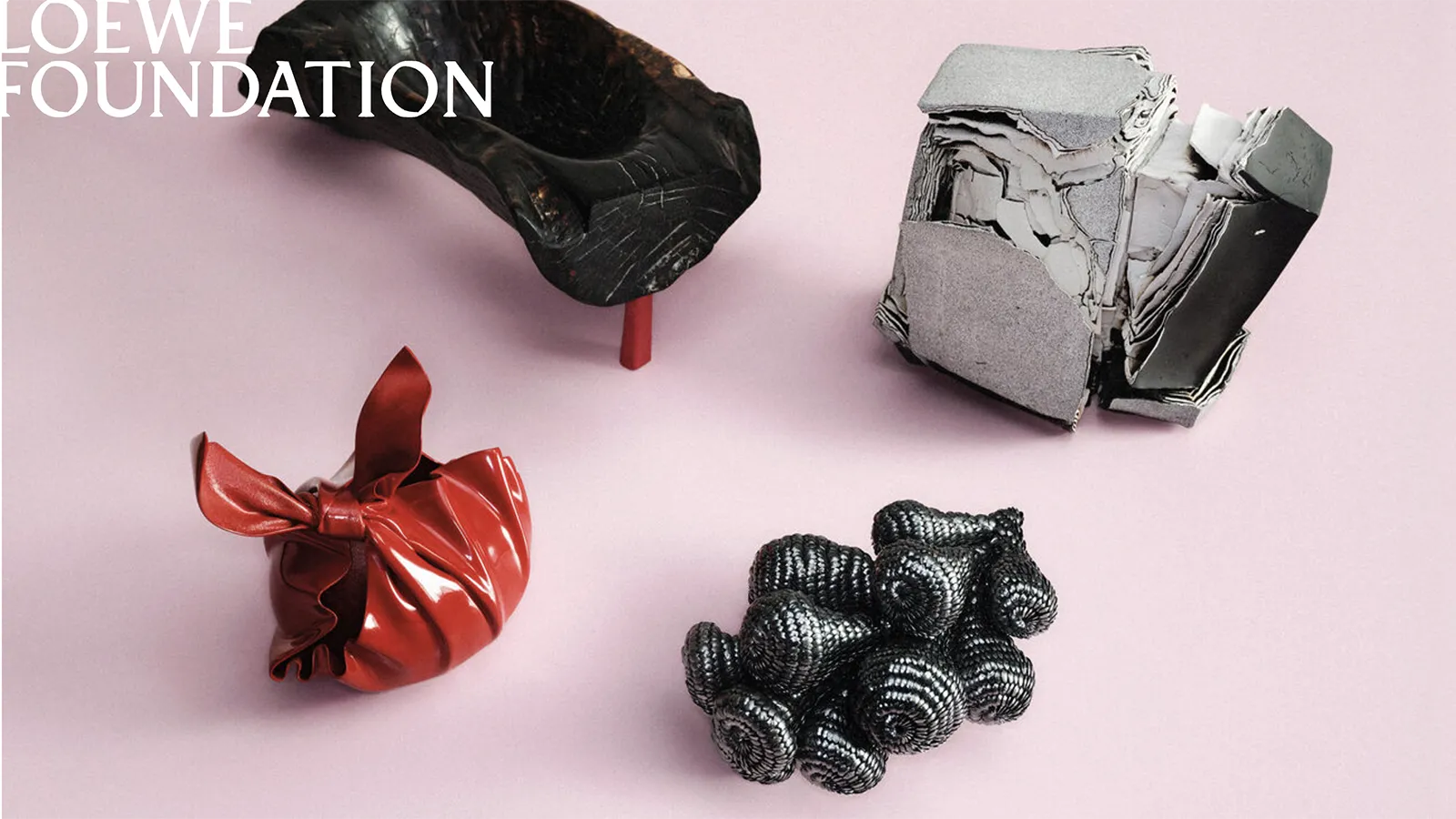
Craft has specialist fairs such as Collect and international prizes such as the LOEWE FOUNDATION Craft Prize. Each carries a different role — sales, display, evaluation, and record.

What Does the LOEWE FOUNDATION Craft Prize Evaluate?
The LOEWE FOUNDATION Craft Prize is an international prize for contemporary craft established by the LOEWE FOUNDATION in 2016. It is open to one-off works made by hand or partly by hand, and evaluates not only technical accomplishment but artistic intent, originality, innovation, and the artist’s own expression.
The 2026 grand prize went to Strata of Illusion by Jongjin Park of South Korea. It is a work that fired paper impregnated with porcelain slip, crossing the making principles of ceramics and paper. The grand prize carries €50,000.
(Source: LOEWE FOUNDATION Craft Prize 2026|LOEWE FOUNDATION)
Special prizes went to Graziano Visintin’s Collier and to Frafra Tapestry by Baba Tree Master Weavers × Álvaro Catalán de Ocón.
The 2026 finalists include works from Japan by Nobuyuki Tanaka, Ayano Yoshizumi, and Misako Nakahira. Nobuyuki Tanaka’s Inner side – Outer Side 2021 N uses lacquer and hemp, and Ayano Yoshizumi’s works use glass, acrylic paint, and the like.
(Source: LOEWE FOUNDATION Craft Prize 2026|National Gallery Singapore)
The 2025 grand-prize winner, for reference, is Kunimasa Aoki of Japan. In the winning work, Realm of Living Things 19, gravity, time, and pressure are made to act on stacked layers of terracotta, taking the material’s deformation and cracking into the work’s expression. Kunimasa Aoki is not a judge for 2026, so it would not be accurate to describe him as having become a judge the year after winning.
(Source: LOEWE FOUNDATION Craft Prize 2025|LOEWE FOUNDATION)
What this prize shows is that craft is not evaluated by “the skill of accurately reproducing tradition” alone. How the material was reunderstood, how existing making methods were updated, and what artistic intent a work holds are also given weight.
That said, winning or being selected for an international prize does not guarantee a rise in a work’s price or continuing sales. A prize can raise an artist’s visibility and standing, but market formation separately requires galleries, clients, work information, price design, logistics, and continuing presentation.
What Collect Shows About How Japan’s Workshops and Regions Appear Abroad
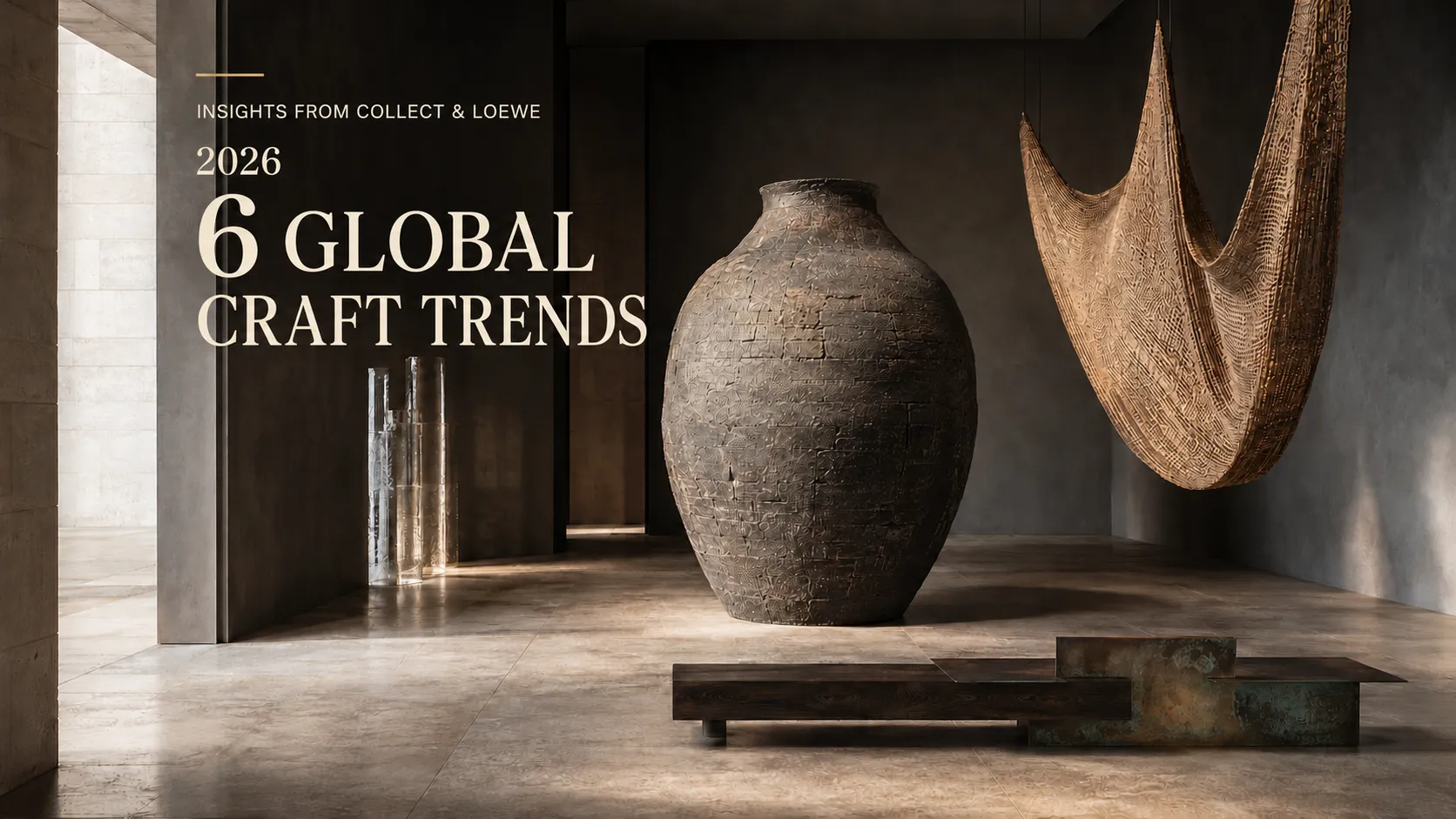
Collect is an international fair specializing in contemporary craft and collectible design, organized by the UK’s Crafts Council. In 2026 it was held from February 27 to March 1 at Somerset House in London.
The official guidance states that up to 40 specialist galleries from around the world take part, presenting ceramics, furniture, glass, jewelry, wearable art, metalwork, sculpture, textiles, and more. Work prices are noted as ranging from around £500 to over £50,000, aimed at everyone from first-time buyers to experienced collectors.
(Source: Collect 2026|Somerset House)
Collect 2026 included exhibitors from Japan such as Mono Art and WAJOY. Mono Art presents artists working in lacquer, and WAJOY presents works by artists from Ishikawa Prefecture in the context of international contemporary craft.
What matters here is that Japanese craft is not simply explained as “Japanese-style” or “characteristically Japanese,” but presented as contemporary craft with material, technique, artistic identity, and contemporary expression, in the same setting as works from other regions.
When conveying Japanese craft abroad, emphasizing mysterious stories or foreignness alone does not communicate the essence of the work. You need to explain concretely how the material was handled, why the technique was chosen, and what the artist is trying to update.
On the other hand, the world craft market size cannot be estimated from Collect’s number of exhibitors or price bands. Collect is not a statistic for the whole market but a case for seeing which works specialist galleries select and in what context they present them to collectors.
How Do Japan’s Antique and Craft Auctions Connect to the World Market?
Domestic auction results are a clue to how modern craft is valued in Japan’s secondary market. But global demand cannot be judged from a single domestic transaction.

On April 23, 2026, Shinwa Auction held a special auction centered on works by Kitaōji Rosanjin. According to the official announcement, the sell-through rate was 100%, and the combined sale value was ¥683,623,250. The figure includes buyer’s premium only.
(Source: Special Kitaōji Rosanjin Auction Results Bulletin|Shinwa Auction)
Among the main results, Kitaōji Rosanjin’s Camellia bowl sold for ¥69 million against an estimate of ¥15 million–¥25 million. The Wanli red-painted large jar sold for ¥33.35 million against an estimate of ¥10 million–¥15 million. Both figures include buyer’s premium only.
| Work | Estimate | Sale price | Work information |
|---|---|---|---|
| Camellia bowl | ¥15M–¥25M | ¥69M | Tomobako, incised “Rosanjin” signature inside the foot |
| Wanli red-painted large jar | ¥10M–¥15M | ¥33.35M | Made 1929, tomobako, with painted signature |
| Clouds-and-brocade bowl | ¥8M–¥12M | ¥31.05M | Tomobako, incised “Rosanjin” signature inside the foot |
| Musashino folding screen | ¥1M–¥2M | ¥22.425M | Made 1959, Kuroda Tōtōan label |
These are specific cases that exceeded their estimates. But a single auction result cannot be generalized as “the market rate for Rosanjin’s work as a whole” or “the market price of Japanese craft.”
The valuation of craft and antique works is affected not only by the artist’s name but by the year of making, the type of work, the dimensions, the condition, the signature, the tomobako (the artist’s signed box), the box inscription, the provenance — ownership, transmission, exhibition — and the market conditions at the time of sale. Even for works by the same artist, the price changes greatly with the conditions.
Also, on the reason for the 100% sell-through, the official announcement does not explain the bidders’ judgment or motives. The coherence of the collection and interest in its provenance may have played a part, but this cannot be declared as caused by preservation state or provenance alone.
Editor’s Comment: What Lies Beyond the Numbers
In news of a high sale, the figure can spread ahead of the work itself. But looking at the ¥69 million result alone tells you nothing about why that work was chosen.
Rosanjin was involved not only in ceramics but in calligraphy, seal-carving (tenkoku), lacquer art, and cooking, pursuing the relationship between the vessel and food in his own way. The accumulation of that activity, his place in art and craft history, the individual conditions of a work, and its rarity in the market overlap to form the background to price.
Market price is one indicator that makes the value of craft visible, but it is not the total sum of the value itself. The more prominently a figure is presented, the more carefully the context a work has sat within, and the making practice the price does not show, need to be conveyed at the same time.
How Can Companies and Businesses Use These Market Trends?
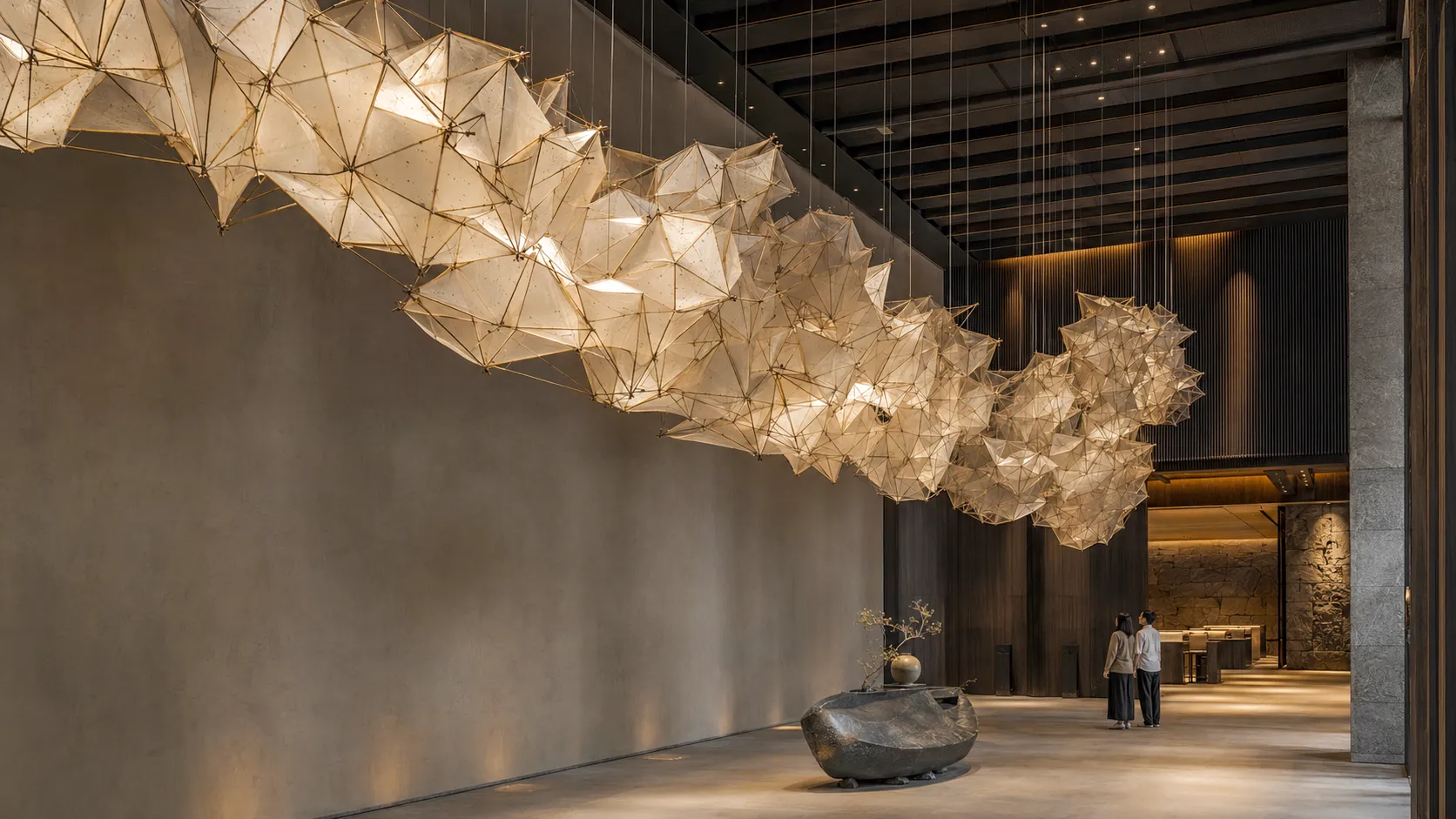
The recovery of the global art market alone cannot be the basis for introducing craft works or corporate gifts. Market data should be used as one input for comparing candidate works and organizing the conditions for introduction.
The ways companies relate to craft are varied: introducing contemporary craft into hotels, shops, and offices; choosing craft items for an anniversary; joint production with artists and workshops; conveying a region or production area abroad.
In such efforts, an explanation of merely “the market is growing” or “it is popular abroad” is not enough. You need to check which market you are referring to, whether the work suits the space and purpose, and whether the design returns value appropriately to the artist and workshop.
For introduction into corporate spaces, alongside the work itself, practical conditions matter: dimensions, weight, safety, lighting, temperature and humidity, insurance, cleaning, repair, and rotation. For corporate gifts, quantity, delivery time, individual variation, packaging, additional production, and how the artist’s name or production area is displayed are discussed in advance.
For overseas communication, you need to organize in English not only work photographs but the artist’s name, work title, year of making, material, technique, dimensions, weight, display method, price, certificate, and packing and transport conditions.
Checklist: What to Check Before Using Craft Market Data in Business Decisions
- Survey scope: how far the figure includes fine art, antiques, and craft
- Year covered: not the report’s publication year, but the year the data was actually compiled
- Region covered: the global market, the Japanese market, or a specific fair or auction
- Channels: dealers, auctions, artists’ direct sales, or corporate installation
- Currency conversion: which exchange rate is used for the yen conversion
- Price range: whether premium, tax, transport, insurance, and so on are included
- Primary information: whether you can check the surveying body’s official materials, not a news article
- Work information: whether material, technique, dimensions, year, condition, and provenance are organized
- Purpose of introduction: ownership, rental, spatial design, gift, or joint production
- Continuity: whether there is a system for repair, maintenance, additional production, and contact with the artist and workshop
Beyond purchase, rental for a set period and commission production suited to a space are also options. Rental suits a trial introduction, purchase a long-term corporate collection, and commission a fit to architectural or brand purposes.
For those considering the corporate introduction or overseas communication of craft works
Kogei Japonica welcomes inquiries on craft rental, introduction into hotels, shops, and offices, collaboration with artists and workshops, and overseas communication. Rather than deciding on market-data figures alone, it is important to consider purpose, space, budget, material, and maintenance together.
Frequently Asked Questions (FAQ)
- What is the difference between the Art Basel / UBS report and Collect?
- The Art Basel / UBS report is a market survey covering the world’s dealers, auctions, and the like. Collect is an international fair specializing in contemporary craft and collectible design, not a statistic that calculates market size.
- What percentage of the world market does Japan’s art market account for?
- In the Agency for Cultural Affairs’ “The Japanese Art Market 2025,” the Japanese market is estimated to have accounted for about 1% of the world market in 2024. This share has barely moved over the past five years.
- Is the size of the whole Japanese craft market known?
- A comprehensive, up-to-date market size including direct sales from artists and workshops, regional products, specialist galleries, department stores, overseas sales, and corporate installation cannot be confirmed from the official materials checked for this article.
- What is the difference between collectible craft and fine art?
- There is no clear legal boundary. Collectible craft often refers to contemporary craft works appreciated and collected on a foundation of material and handwork, accompanied by artistic identity and originality, with areas that overlap contemporary art and design.
- What kind of prize is the LOEWE FOUNDATION Craft Prize?
- It is an international prize for contemporary craft established by the LOEWE FOUNDATION in 2016. It evaluates not only technical accomplishment but artistic intent, originality, innovation, and engagement with material.
- How is Japanese craft presented in overseas specialist markets?
- At Collect and elsewhere, it is presented not simply as “Japanese-style craft” but as contemporary craft with material, technique, and artistic identity, in the same context as works from other regions.
- Can I treat an auction sale price as an artist’s market rate?
- A single sale result cannot determine an artist’s market rate as a whole. The price differs by the type of work, period, dimensions, condition, signature, tomobako, provenance, and region of sale.
- For introducing craft works into a corporate space, is purchase or rental more suitable?
- Purchase suits long-term ownership and corporate collections; rental suits a trial introduction and periodic rotation. When a space-specific work is needed, commission production by the artist is also an option.
The global art market turned to growth in 2025. But that figure of $59.6 billion cannot be transferred directly to the size or growth rate of the Japanese craft market.
Craft holds not only the trade that appears in statistics but the relationships built between artist and user, workshop and region, material and land, work and space. Only when the specialist galleries, fairs, museums, criticism, corporate installation, and accurate communication that support those relationships are in place does it become a sustainable market.
Market price is an indispensable indicator for artists and workshops to continue their activity and pass material and technique to the next hands. At the same time, price is not the whole of craft’s value.
Kogei Japonica does not see the market as something set opposite culture, nor price as the only measure of success. We consider a market in which makers can keep working and those who choose works can form relationships on terms they understand.

